
More Than 150 Box Turtles Abandoned Near New Jersey River as Officials Ask Public to Help Rescue Remaining Animals
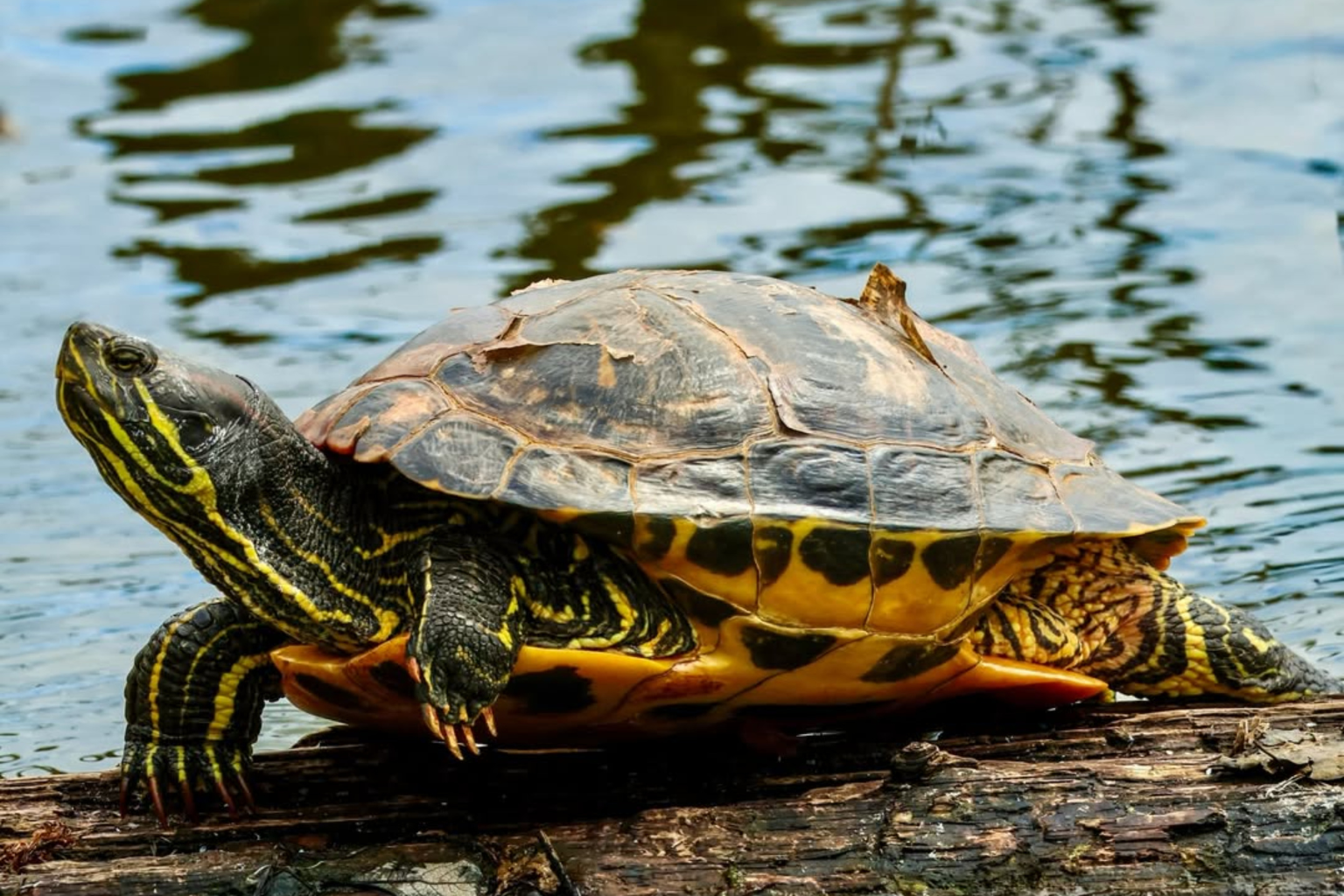
Wildlife officials and emergency responders in New Jersey are asking residents to stay alert after a large number of box turtles were illegally abandoned near a river in Cranford. The unusual incident has sparked an active recovery effort, with authorities working alongside animal experts and community volunteers to locate and safely rescue the remaining turtles.
According to local officials, more than 150 box turtles were left along the riverbank in what authorities describe as an illegal dumping. The case is now under investigation, and officials believe public awareness will play an important role in helping recover the animals that are still missing.
So far, nearly 100 turtles have already been found thanks to the combined efforts of local residents, animal control officers, firefighters, and law enforcement personnel. However, dozens are still believed to be scattered throughout the surrounding area, prompting authorities to ask anyone spending time outdoors to keep an eye out for them.
Officials said the turtles being recovered include both eastern box turtles and three-toed box turtles. The eastern box turtle is native to New Jersey and is recognised by its colourful, patterned shell. The three-toed box turtle, however, is not native to the state and generally has a plain brown shell. The presence of a non-native species adds another challenge for wildlife experts, who must carefully evaluate where each turtle should ultimately be placed.
Wildlife specialists warn that abandoned turtles face serious risks when released into unfamiliar environments. They may struggle to find food, avoid predators, or survive changing weather conditions. In addition, relocating turtles from unknown locations can increase the risk of spreading diseases or disrupting local wildlife populations.
Before any of the rescued turtles can be returned to natural habitats, each animal must undergo health evaluations conducted by licensed wildlife veterinarians and biologists. These examinations help determine whether the turtles are healthy enough for release and whether returning them to the wild would be safe for both the animals and the surrounding ecosystem.
Authorities have also provided clear guidance for anyone who encounters one of the turtles. Residents are encouraged to carefully pick up the turtle and place it inside a clean cardboard box or another secure container lined with a towel or paper towels. The turtle should then be kept indoors in a quiet, dark room away from household pets until it can be turned over to local officials.
Recovered turtles can be delivered to the Cranford Fire Department during designated collection hours. From there, the animals will be transferred to a licensed wildlife rehabilitation professional for medical evaluation and temporary care.
Officials emphasised that members of the public should not keep any of the recovered turtles as pets. Because the investigation into the illegal dumping is still ongoing, every turtle recovered may be important to the case. Keeping one could interfere with both the investigation and wildlife recovery efforts.
The incident has drawn attention to the broader issue of abandoning pets and wildlife. Animal experts say releasing animals into the wild is not a humane solution and can have long-term consequences for both the animals themselves and native ecosystems. Responsible surrender programmes and licensed wildlife rehabilitators are considered the safest options for animals that can no longer be cared for.
Authorities continue to ask residents, hikers, and anyone visiting parks or waterways in the Cranford area to remain observant while recovery efforts continue. Every turtle safely recovered increases the chances of protecting these animals and ensuring they receive proper medical care before any decisions are made about their future.
Sources
- Cranford Fire Department (Official)
- Cranford Health Department (Official)
- New Jersey Department of Environmental Protection (NJDEP)
- New Jersey Division of Fish and Wildlife (Official)