Severe Storms Trigger Widespread U.S. Flight Delays as More Than 1,450 Trips Run Behind Schedule
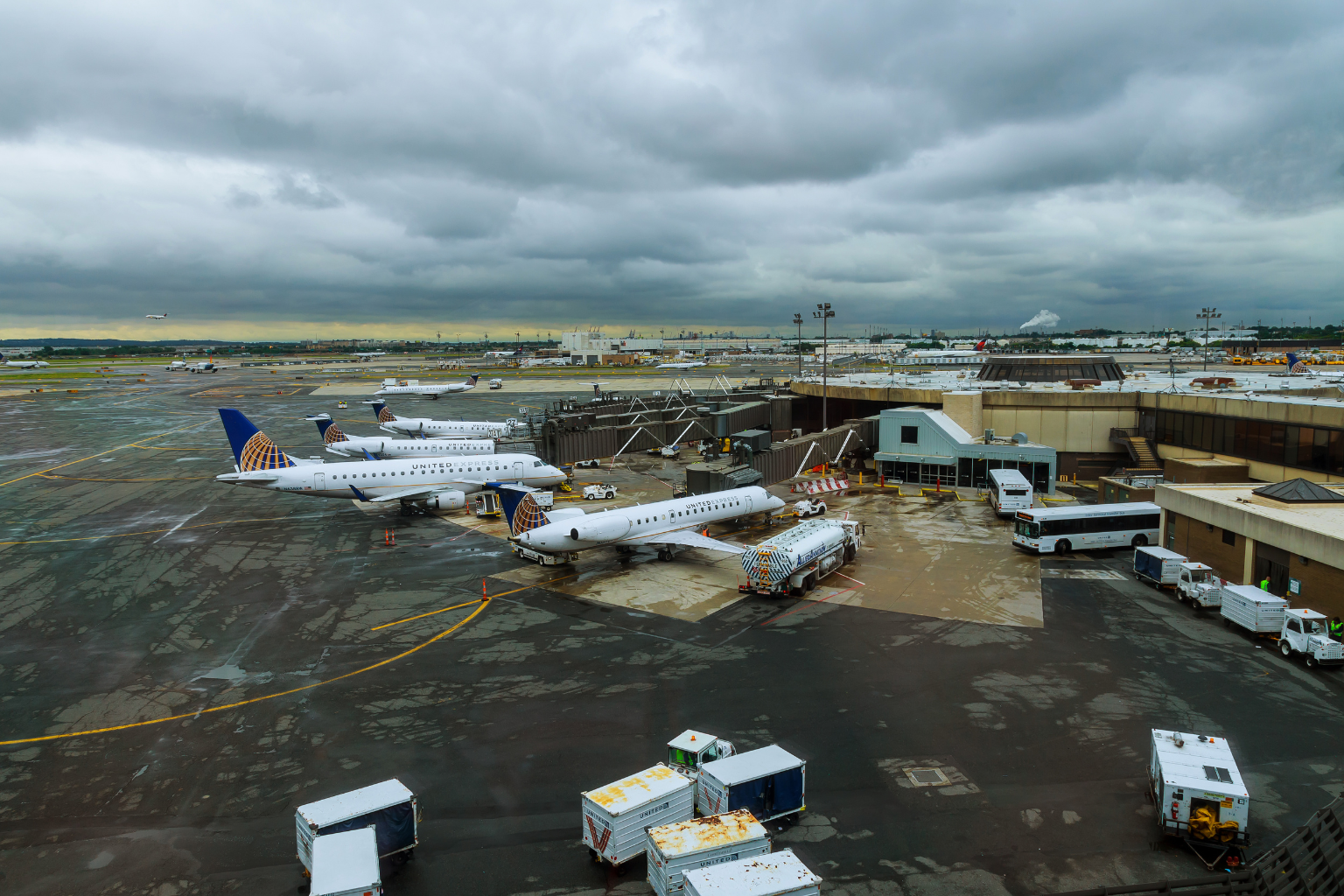
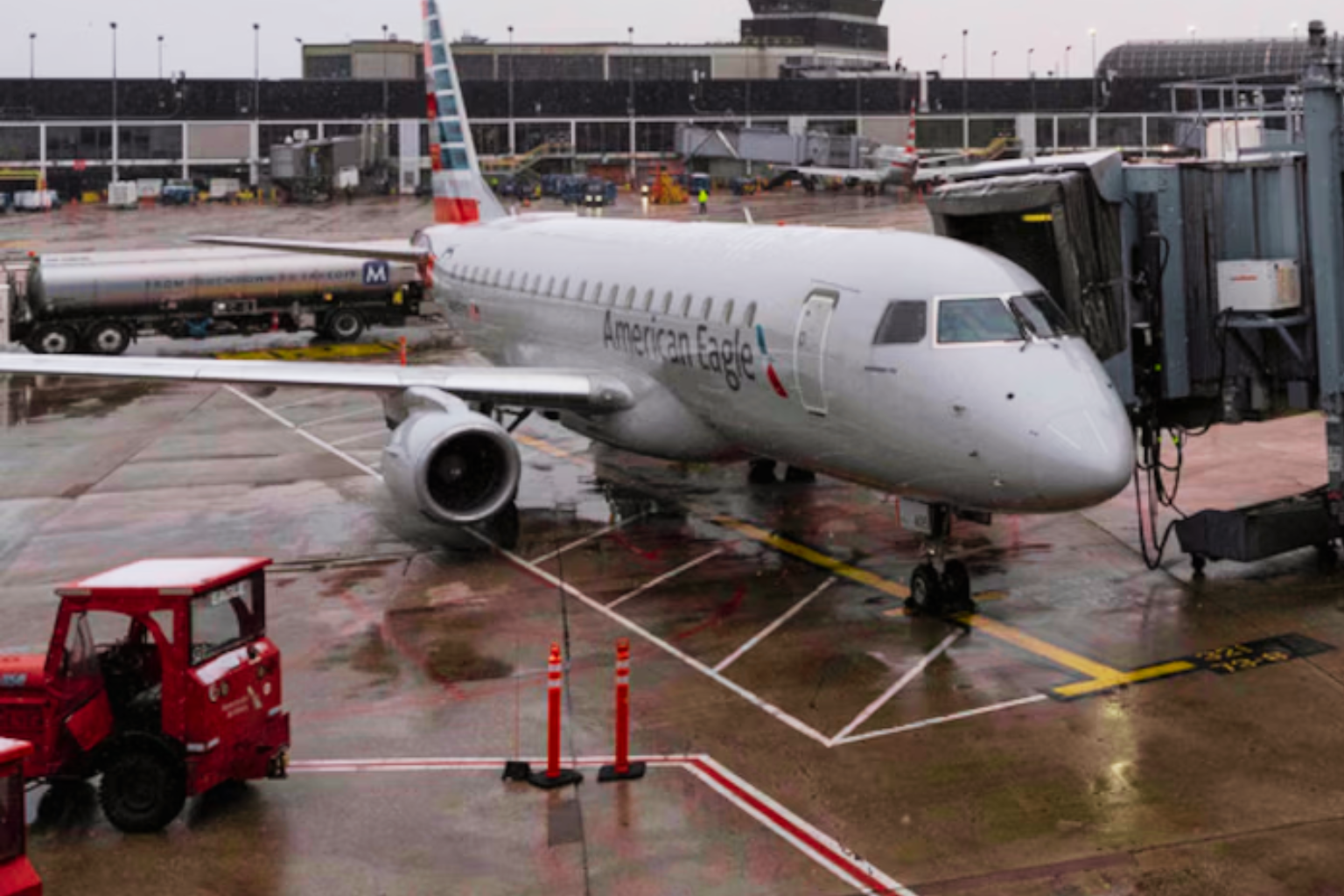
Air travellers across the United States faced another challenging day after severe weather disrupted flight operations at airports in several major cities. Thousands of passengers experienced long waits as more than 1,450 flights were delayed and over 100 were cancelled, creating travel problems across the country’s busiest air routes.
The widespread disruptions were largely linked to strong thunderstorms moving through parts of the East Coast and the Southeast. Weather conditions forced airlines to adjust schedules, delay departures, and cancel some flights to protect passenger safety and maintain safe airport operations.
According to flight tracking data, at least 1,454 flights were delayed across the United States, while 102 flights were canceled during the latest wave of disruptions. Although many airports continued operating, changing weather conditions created a ripple effect that affected flights arriving from and departing to multiple destinations nationwide.
Among the airports experiencing the greatest impact, Boston Logan International Airport recorded the highest number of cancellations. Meanwhile, Hartsfield-Jackson Atlanta International Airport reported the largest number of delayed flights, highlighting how weather in one major hub can quickly affect airline schedules across the country.
Airlines also faced operational challenges as aircraft and crews were forced to adjust to changing weather conditions. Delta Air Lines reported the highest number of delayed flights among U.S. carriers, with more than 100 flights arriving or departing later than scheduled. The airline also recorded the largest number of cancellations compared with other domestic carriers during the disruption.
The primary reason behind the delays was a series of thunderstorms moving across several heavily travelled regions. Storm activity affected air traffic in and around Atlanta, the Mid-Atlantic region, and the New York metropolitan area, where several of the nation’s busiest airports are located. When severe weather develops near major aviation hubs, the Federal Aviation Administration and airlines often slow flight operations or temporarily hold aircraft until conditions improve. These safety measures help reduce risks for passengers and flight crews but can also create delays that spread throughout the national air travel network.
Several airports experienced weather-related operational impacts during the disruptions, including Newark Liberty International Airport, Boston Logan International Airport, John F. Kennedy International Airport, Hartsfield-Jackson Atlanta International Airport, Lehigh Valley International Airport, Baltimore/Washington International Airport, Washington Dulles International Airport, Ronald Reagan Washington National Airport, Philadelphia International Airport, Westchester County Airport, and LaGuardia Airport.
Because many commercial flights connect through these airports, delays in one location often affect travelers heading to destinations across the United States. Even passengers flying to areas with clear weather can experience schedule changes if their aircraft or flight crew is delayed elsewhere.
Travel experts advise passengers to closely monitor their flight status before leaving for the airport whenever severe weather is expected. Airline mobile apps and official flight notifications can provide real-time updates on gate changes, departure times, and cancellations, helping travelers avoid unnecessary waiting at the airport.
Passengers whose flights are canceled are generally encouraged to begin the rebooking process as quickly as possible, since available seats on later flights can fill up rapidly during widespread disruptions. Travelers with connecting flights should also allow additional travel time, especially when connecting through major airports experiencing weather-related delays.
Experts also recommend packing essential medications, chargers, travel documents, and other important personal items in carry-on luggage instead of checked baggage. This can make unexpected overnight delays or extended waits at the airport easier to manage. Travelers should also review their airline’s policies regarding refunds, travel credits, hotel accommodations, and rebooking options before traveling during periods of severe weather.
Weather-related delays remain one of the most common causes of airline disruptions in the United States, particularly during the summer thunderstorm season. While airlines continue working to minimize delays whenever possible, passenger safety remains the highest priority whenever storms create hazardous flying conditions.
Travelers planning to fly in the coming days should continue checking weather forecasts and airline travel advisories before heading to the airport, as changing weather patterns may continue to affect flight schedules in several regions.
Sources
- Federal Aviation Administration (FAA)
- National Weather Service (NWS)
- FlightAware
- Delta Air Lines Travel Alerts