
Lockheed Martin Plans Major Hiring Push After Landing Historic $59 Billion U.S. Missile Defense Contract
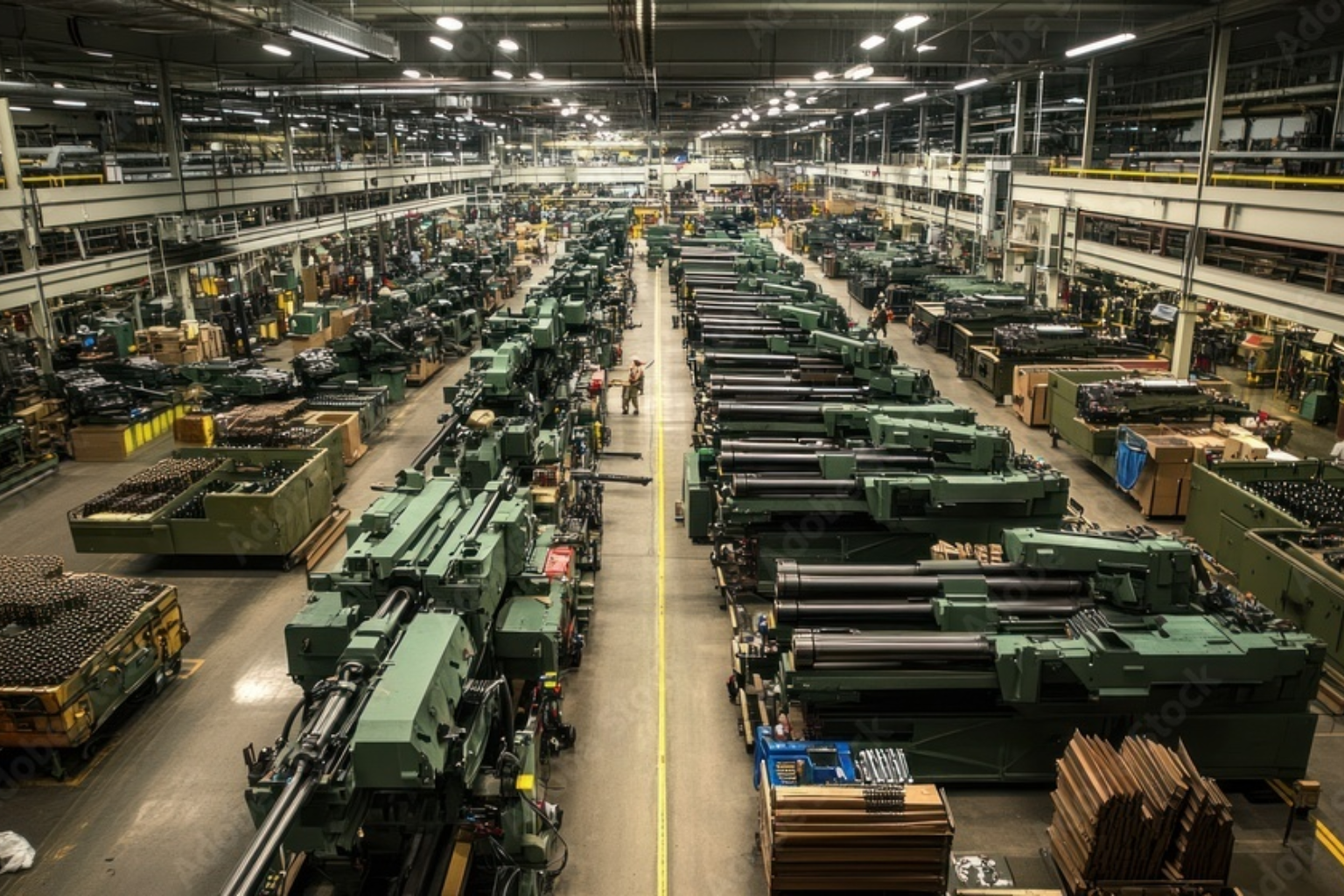
Lockheed Martin is preparing to expand its workforce and significantly increase missile production after winning one of the largest defence contracts awarded by the U.S. Department of Defence in recent years. The company announced it will invest in new hiring, manufacturing upgrades, and supply chain expansion following a seven-year agreement valued at up to $59 billion for its Patriot Advanced Capability-3 Missile Segment Enhancement (PAC-3 MSE) interceptors.
The long-term contract is designed to strengthen America’s missile defence capabilities while ensuring a steady supply of advanced interceptors for the U.S. military and its allies. Company officials said the agreement also provides long-term stability for production planning, allowing Lockheed Martin to accelerate manufacturing and create additional employment opportunities across its facilities.
According to the company, production capacity for the PAC-3 MSE interceptor is expected to increase dramatically over the coming years. Lockheed Martin plans to nearly triple its manufacturing output as demand for modern air and missile defence systems continues to grow worldwide. The expansion will require additional skilled workers, investments in production facilities, and closer coordination with suppliers throughout the defence industrial base.
The PAC-3 MSE interceptor is one of the most advanced missile defence systems used by the United States and partner nations. It is designed to detect, track, and destroy incoming tactical ballistic missiles, cruise missiles, and hostile aircraft before they can reach their intended targets. The system plays an important role in protecting military installations, critical infrastructure, and civilian populations during modern conflicts.
Lockheed Martin said the interceptor has demonstrated its effectiveness during recent military operations and has supported defence missions in multiple regions. The company noted that the system continues to be a key component of integrated air and missile defence strategies as security challenges evolve around the world.
Defence officials have emphasised that the multi-year contract provides greater certainty for manufacturers and suppliers, allowing them to make long-term investments in facilities, equipment, and workforce development. Stable production schedules also help reduce delays and improve the availability of critical defence equipment when it is needed most.
Michael P. Duffey, the U.S. Department of Defence’s under secretary of defence for acquisition and sustainment, said the agreement sends a strong long-term demand signal throughout the defence supply chain. Defence leaders believe predictable contracts encourage suppliers to expand production capacity and improve the resilience of the nation’s industrial base.
Lockheed Martin Chief Executive Officer Jim Taiclet described the agreement as a significant milestone for both the company and the country’s defence manufacturing sector. He said the company is moving quickly to expand operations through investments in facilities, technology, and employee recruitment to meet the government’s evolving defence requirements.
The expected hiring initiative will likely create new opportunities across engineering, advanced manufacturing, logistics, quality assurance, and technical support roles. As production increases, suppliers that manufacture specialised components for the missile system may also experience higher demand, supporting additional jobs throughout the broader defence industry.
Industry analysts say the contract reflects growing global demand for advanced missile defence systems as governments continue investing in national security. Rising geopolitical tensions and increased defence spending among U.S. allies have contributed to stronger demand for proven air defence technologies such as the Patriot missile system.
The agreement also highlights the Department of Defence’s broader effort to modernise military capabilities while strengthening the domestic defence manufacturing base. Multi-year procurement contracts are intended to improve efficiency, reduce long-term costs, and ensure that critical defence equipment remains available to support military readiness.
With production expected to accelerate over the next several years, Lockheed Martin’s latest contract is likely to have a lasting impact on the U.S. defence industry. Beyond supplying advanced missile interceptors, the agreement is expected to support thousands of jobs, strengthen manufacturing capacity, and reinforce the nation’s long-term missile defence strategy.
Sources
- U.S. Department of Defense
- Lockheed Martin
- U.S. Department of Defense, Office of the Under Secretary of Defense for Acquisition and Sustainment