Fauci Declines Senate Questions by Invoking Fifth Amendment, Drawing Strong Response From Trump Allies
Dr Anthony Fauci’s decision to invoke the Fifth Amendment during a Senate hearing on Wednesday has sparked intense political debate, with many of President Donald Trump’s supporters criticising the move and demanding greater transparency about the federal government’s handling of the COVID-19 pandemic.
The hearing, led by a Republican-controlled Senate committee, focused on Fauci’s role in shaping the nation’s pandemic response during both the Trump and Biden administrations. Lawmakers sought answers on several issues, including public health policies, vaccine guidance, the origins of COVID-19, and government decision-making throughout the pandemic.
Rather than responding to lawmakers’ questions, Fauci exercised his constitutional right under the Fifth Amendment, which allows individuals to avoid providing testimony that could potentially be used against them in criminal proceedings. His decision immediately became one of the most talked-about moments of the hearing, triggering strong reactions from Republican lawmakers and prominent conservative voices.
Before questioning began, Fauci defended his decision in an opening statement, arguing that the hearing was politically motivated. He accused Sen Rand Paul of repeatedly attempting to build a case against him rather than seeking factual information about the pandemic response.
According to Fauci, the continued investigations are driven by repeated public calls for his prosecution rather than an effort to understand the challenges government officials faced during one of the most difficult public health emergencies in modern history.
Sen. Rand Paul, who has been one of Fauci’s most outspoken critics for several years, expressed disappointment after Fauci declined to answer questions. Paul stated that while every American has constitutional protections, the public also deserves clear answers about decisions that affected millions of people during the pandemic.
The Kentucky senator has consistently questioned federal health guidance issued during COVID-19, including recommendations involving vaccines, lockdown measures, school closures, and masking policies. During the hearing, he suggested there could be consequences for refusing to answer congressional questions.
The hearing also fuelled criticism from several Republican leaders and conservative commentators, many of whom argued that Fauci’s silence raises additional questions about his actions during the pandemic.
Sen. Ted Cruz criticised Fauci’s decision on social media, saying the former health official frequently appeared before television cameras during the pandemic but declined to speak when questioned by Congress. Cruz argued that Americans deserve straightforward answers about government policies that affected businesses, schools, and everyday life.
Rep. Jason Smith also condemned Fauci’s decision, accusing him of avoiding accountability for pandemic-related policies that remain deeply controversial years after the public health emergency ended.
Several conservative commentators echoed similar concerns online. Some suggested Fauci’s decision to invoke the Fifth Amendment reflected fear of legal consequences, although no evidence was presented publicly to support allegations of criminal wrongdoing.
Political commentator Ben Shapiro questioned why Fauci chose not to testify despite receiving a broad pardon from former President Joe Biden near the end of Biden’s presidency. Shapiro argued that the legal protection should have removed concerns about certain past actions, while also suggesting Fauci may still have wished to avoid possible legal issues related to sworn testimony.
The renewed scrutiny comes as lawmakers continue examining newly released records connected to Fauci’s time leading the nation’s public health response.
Ahead of the hearing, Sen. Paul released more than 1,000 pages from Fauci’s personal pandemic-era diary. The documents reportedly reveal internal discussions, scientific uncertainty during the early stages of COVID-19, and evolving assessments about the virus as federal officials attempted to understand a rapidly developing global crisis.
Supporters of the investigation argue the documents provide valuable insight into how major public health decisions were made. Critics of Fauci point to portions of the diary that they believe demonstrate inconsistencies between private discussions and public messaging during the pandemic.
Public health experts have long noted that scientific guidance changed as new evidence became available, emphasising that recommendations evolved alongside growing knowledge about the virus.
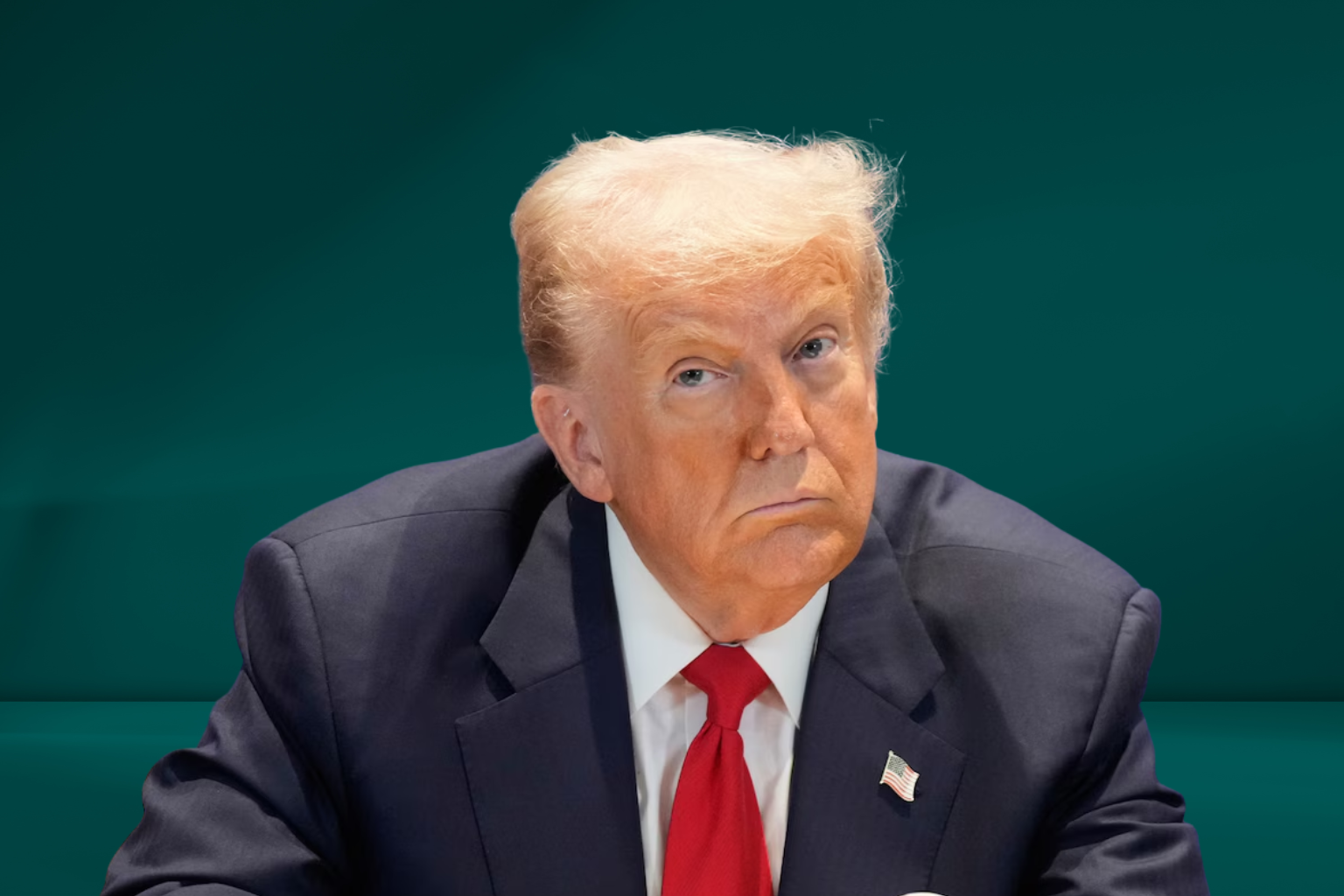
President Donald Trump also weighed in before the hearing through a post on Truth Social. Trump defended Operation Warp Speed, the initiative launched during his administration to accelerate the development of COVID-19 vaccines, calling it one of the most successful achievements of his presidency.
Trump argued that he frequently disagreed with Fauci’s recommendations while serving in office and said many key decisions regarding pandemic restrictions were ultimately left to state governors. He further criticised the Biden administration for continuing to rely on Fauci after the transition of power.
The hearing reflects the continuing political divisions surrounding the government’s pandemic response, years after COVID-19 reshaped American life. Questions about the origins of the virus, federal health guidance, emergency restrictions, and public communication continue to be debated in Congress and across the country.
Although Fauci’s decision to invoke the Fifth Amendment is legally protected under the U.S. Constitution, it has intensified calls from some lawmakers for additional investigations into pandemic-era decisions. Others argue that constitutional rights should not be interpreted as evidence of wrongdoing and caution against drawing conclusions without supporting facts.
With congressional oversight continuing and new records still being reviewed, the political and public debate surrounding the nation’s COVID-19 response is likely to remain a major issue in Washington for the foreseeable future.
Sources
- U.S. Senate
- U.S. Constitution (Fifth Amendment)
- Truth Social (Official statement from President Donald Trump)
- Associated Press (AP)