
New Jersey’s Rising E-Bike Deaths Spark Safety Debate as Families Question Whether New Rules Go Far Enough
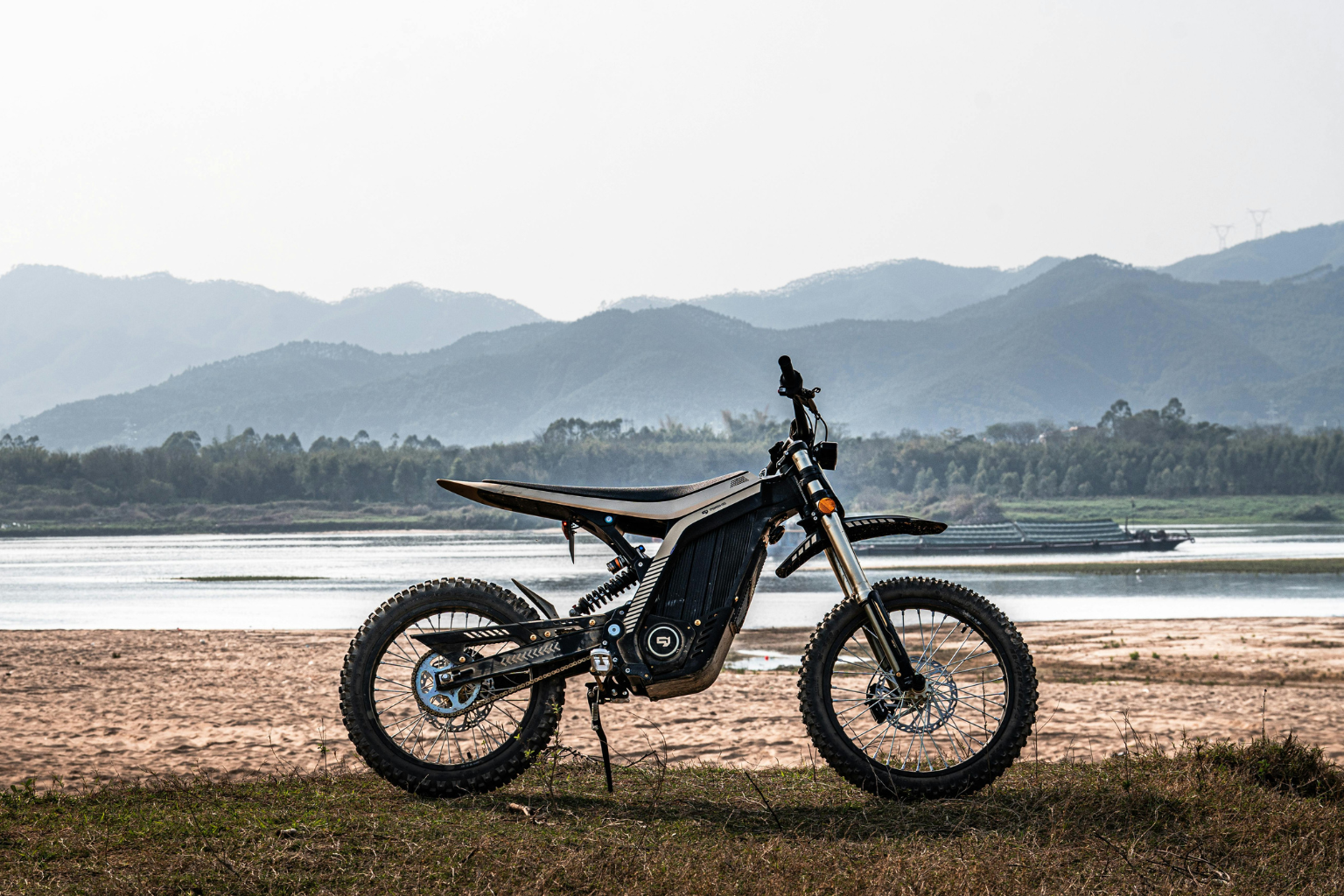
The growing popularity of electric bikes and high-speed electric motorcycles has brought a new safety challenge to New Jersey, where a series of fatal crashes involving young riders has raised concerns among parents, law enforcement officials, and transportation experts. While state leaders recently introduced stricter regulations aimed at reducing accidents, many families affected by these tragedies believe the new rules alone will not prevent more lives from being lost.
One of the most heartbreaking cases involved 16-year-old Chase Sudano of Southampton, whose death has become part of a larger conversation about the risks facing young riders across the state. Chase was known as a dedicated student-athlete with dreams of competing in Division I wrestling. According to his family, he rarely rode an electric bike because his parents had long been concerned about their safety.
On a June morning, Chase decided to take a short ride through his neighbourhoodd on his brother’s electric motorcycle-style bike. State police said the vehicle collided with a UPS truck on North Firelane Road, throwing Chase from the bike. He died at the scene, leaving behind a grieving family that continues to struggle with the sudden loss.
Sadly, Chase’s death is not an isolated incident. Several other teenagers have died in similar crashes across New Jersey during the past year. Recent victims include 15-year-old Gustavo Rocha of Lincroft, a 12-year-old child in Princeton, a 13-year-old rider from Scotch Plains, and a 14-year-old from Somers Point. Authorities have also reported numerous injuries involving children and teenagers riding electric bikes and electric motorcycles throughout the state.
Police departments say they are seeing increasingly younger riders using these vehicles. Some incidents have even involved children as young as nine years old. Safety experts warn that many crashes never become part of official statistics because injuries involving electric bikes are often underreported, making it difficult to understand the full scale of the problem.
As concern has grown, New Jersey lawmakers introduced a new set of regulations designed to improve rider safety. The updated laws require registration for electric bikes, establish minimum age requirements, introduce licensing rules for certain vehicles, and require helmets for all riders. Higher-powered electric motorcycles are also subject to insurance requirements and stricter licensing standards.
Supporters believe the legislation reflects the need to address the rapid growth of electric bikes on public roads. State officials have argued that the increase in ridership has created new risks for riders, drivers, and pedestrians, making updated safety standards necessary.
However, many parents, cycling advocates, insurance representatives, and transportation experts argue the new laws do not solve the biggest problems. They say registration and insurance requirements may create additional costs and confusion without directly improving rider behaviour or reducing dangerous riding practices.
Critics believe the greatest challenge is education rather than paperwork. Many parents purchasing electric bikes online may not fully understand the difference between a legal low-speed electric bicycle and a much faster electric motorcycle that is capable of reaching speeds similar to small motorcycles.
Industry experts explain that traditional low-speed electric bicycles are designed to assist riders while pedalling and typically stop providing motor power once they reach around 20 miles per hour. High-powered electric motorcycles, often called e-motos, usually operate with a throttle, may not require pedalling, and can travel at much higher speeds. Some advertised models are capable of reaching 45 miles per hour or more.
The rapid growth of online shopping has made these powerful vehicles easier to purchase than ever before. Many are sold directly to consumers through websites and online marketplaces, making it difficult for buyers to recognise whether the vehicle meets federal safety standards for public roads.
Retail industry representatives say stronger enforcement against improperly marketed high-speed electric motorcycles could improve safety more effectively than additional registration requirements. They argue that many of these vehicles should already comply with federal motor vehicle regulations before reaching consumers.
The popularity of electric bikes has expanded dramatically across the United States. National sales have increased significantly over the past several years as more people look for affordable transportation, recreational riding, and environmentally friendly travel options. Lower prices and wider product availability have also encouraged more families to purchase electric bikes for teenagers.
Parents say social pressure has become another important factor. Families who initially opposed buying electric bikes often changed their minds after seeing nearly every child in their neighbourhood riding one. In some cases, teenagers have also learned through online videos how to remove factory-installed speed limiters, allowing bikes to travel even faster than intended.
Insurance experts have also raised concerns about the practical challenges of implementing the new laws. Because electric bike insurance remains a specialised product, only a limited number of insurance companies currently offer coverage. This may leave some riders facing higher costs or difficulty obtaining policies.
At the same time, New Jersey’s Motor Vehicle Commission has begun processing thousands of registrations and license applications under the new system. Officials have also released educational materials to help residents understand the updated rules. Local police departments across the state have launched school visits, public safety seminars, and community outreach programmes to explain safe riding practices to children and parents.
Several municipalities have already introduced additional local regulations, including stricter enforcement, helmet requirements, and limits on where electric bikes may operate. Police in some communities report that these local efforts have helped reduce unsafe riding and improve awareness among young riders.
Despite these efforts, families who have lost children remain uncertain that legislation alone can prevent future tragedies. Chase Sudano’s parents believe education, responsible purchasing decisions, and greater awareness of the differences between various electric vehicles are just as important as legal requirements.
Other families who experienced similar losses have expressed the same concern. While some believe licensing requirements could prevent certain unsafe riders from operating electric bikes, many parents argue that lasting improvements will require better education for both children and adults before these vehicles are purchased and used.
As electric bikes continue becoming part of everyday transportation in New Jersey, the challenge facing lawmakers will be balancing accessibility with public safety. The state’s new regulations represent one step toward addressing the issue, but many experts believe stronger consumer education, consistent enforcement, responsible parenting, and better oversight of high-speed electric vehicle sales will ultimately play the biggest role in reducing injuries and saving lives.
Sources
- New Jersey State Police
- New Jersey Motor Vehicle Commission (MVC)
- National Highway Traffic Safety Administration (NHTSA)
- U.S. Department of Energy
- PeopleForBikes
- Insurance Council of New Jersey
- American College of Surgeons
- New Jersey Legislature