
Populist and Progressive Momentum Reshapes U.S. Political Landscape, Says Steve Bannon
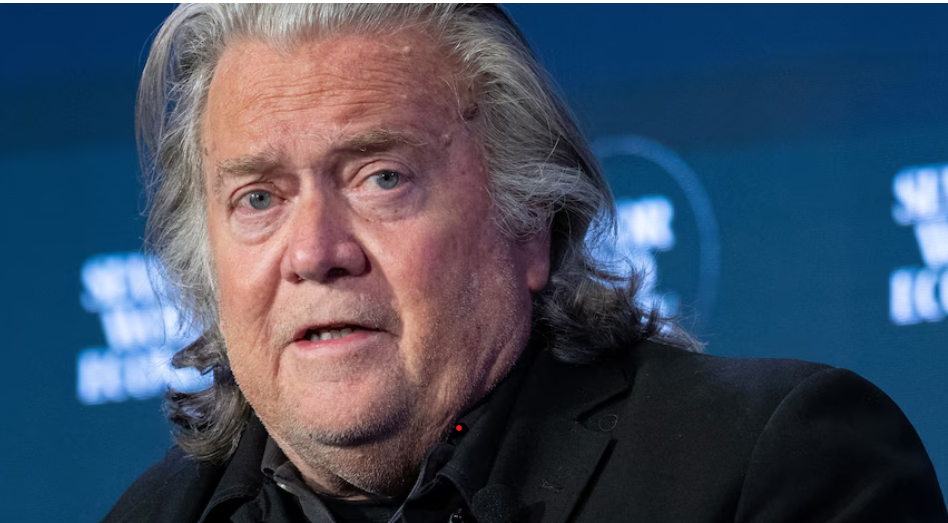
Former White House chief strategist Steve Bannon has shared his view that American politics is going through a major transformation, pointing to recent electoral gains by democratic socialist candidates and a growing shift in voter sentiment away from traditional party leadership.
In comments given during an interview with POLITICO, Bannon described the current political environment as the decline of what he called “old politics,” suggesting that both major parties are struggling to keep pace with rapid changes in voter behavior and campaign strategies. He argued that a new political phase is emerging in which anti-establishment messaging is becoming more effective than traditional party messaging.
His remarks come after a series of notable primary victories by progressive candidates in recent elections. In New York City, several progressive contenders backed by Mayor Zohran Mamdani secured wins in their Democratic primaries. In Colorado, a democratic socialist candidate supported by Senator Bernie Sanders managed to defeat a long-serving Democratic incumbent, marking a significant upset in the district.
Bannon compared this evolving political energy to the rise of the Tea Party movement in 2009, suggesting that both movements gained traction by positioning themselves against established political structures. According to him, the current wave of candidates is also using similar strategies by focusing less on individual political figures and more on broader dissatisfaction with party leadership.
He noted that while former President Donald Trump is still mentioned in political messaging, the newer campaigns are not primarily centered on him. Instead, he claimed they are focusing their criticism on the wider political establishment, including members within their own parties. Bannon argued that this approach appears to be resonating with voters who feel disconnected from traditional political narratives.
At the same time, he raised concerns for Republicans, saying the party may not yet fully understand how to respond to this shift. He emphasized that voter turnout, particularly among less consistent but politically aligned supporters, would be critical for Republican success in upcoming congressional races. In his view, campaign strength would depend less on financial resources and more on sustained voter engagement.
Bannon also advised that Republican leaders should focus on developing clear populist economic policies, rather than relying on criticism of opponents. He suggested that economic messaging centered on families and everyday financial concerns could help the party compete more effectively with progressive campaigns that are increasingly framed as populist in nature.
Meanwhile, Vice President JD Vance has also commented on the broader political debate, warning in a recent television interview that Democrats are moving toward more extreme ideological positions. He pointed to issues such as policing policies and immigration as central points of disagreement between the parties, highlighting ongoing tensions in national political discourse.
The recent exchange of views among political figures reflects a broader sense of uncertainty in U.S. politics, as both parties adjust strategies ahead of future elections and respond to shifting voter priorities across the country.
Sources:
- POLITICO interview with Steve Bannon
- Statements from Steve Bannon public comments
- Fox News interview with Vice President JD Vance
- Remarks by Senator Bernie Sanders (public political endorsement context)
- New York City Democratic primary election results (local election reports)
- Colorado congressional district primary election results (state election coverage)