Rising Property Taxes Continue to Pressure Homeowners Across New Jersey in 2026
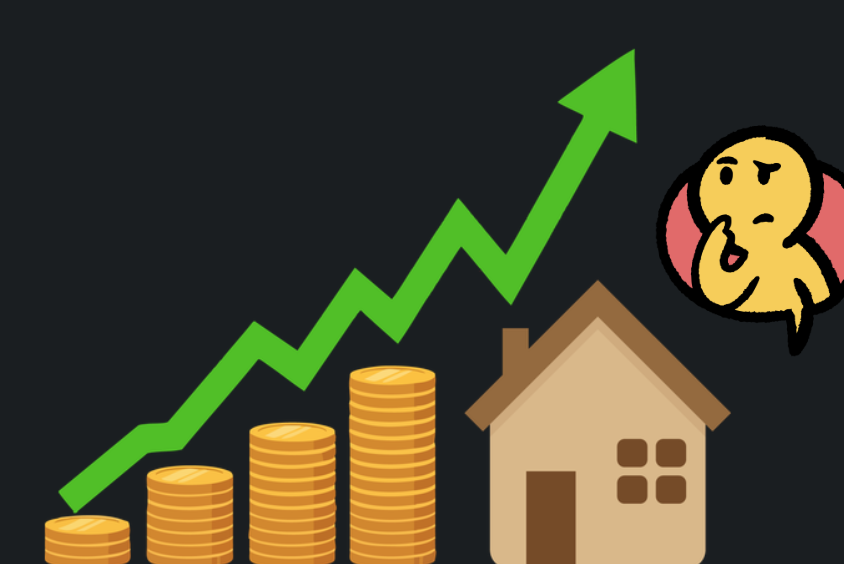
Homeowners across New Jersey are continuing to face growing financial pressure in 2026 as property taxes remain among the highest in the United States. Many residents say increasing housing costs, insurance expenses, and local tax bills are making homeownership more difficult, especially for middle-income families and retirees living on fixed incomes.
Property taxes in New Jersey have been a long-standing issue, but the conversation has become more serious in recent years as inflation and local government spending continue to impact household budgets. In many towns, homeowners are seeing annual tax increases even when the overall housing market has slowed compared to the rapid growth experienced during the pandemic years.
Real estate experts say property taxes play a major role in buying decisions, especially for first-time homebuyers comparing monthly housing costs. Even when mortgage rates improve slightly, high annual tax bills can still make homes unaffordable for many families. Buyers are now paying closer attention not only to home prices, but also to long-term tax obligations before making purchasing decisions.
Some New Jersey homeowners are also reconsidering relocation plans due to tax concerns. Real estate agents report that certain residents are exploring nearby states with lower property taxes and lower overall living expenses. However, demand in many New Jersey communities remains strong because of the state’s schools, transportation access, and proximity to major job markets like New York City and Philadelphia.
Housing analysts say the issue is affecting both existing homeowners and new buyers differently. Longtime homeowners often struggle with rising annual costs, while younger buyers face challenges qualifying for homes when taxes significantly increase monthly mortgage payments. In competitive areas, high taxes can add hundreds or even thousands of dollars to monthly housing expenses.
Local governments across the state continue to defend property taxes as necessary to support schools, emergency services, road maintenance, and municipal operations. Still, many residents are calling for stronger tax relief programs and broader reforms aimed at reducing the financial burden on homeowners.
The issue is also influencing New Jersey’s real estate market trends in 2026. Homes located in towns with lower tax rates are attracting stronger buyer interest, while properties in high-tax communities may remain on the market longer unless priced competitively.
Despite these concerns, housing demand in several parts of New Jersey remains active due to limited inventory and continued interest from buyers leaving larger urban areas. Real estate professionals say buyers are becoming more selective and financially cautious, focusing heavily on total ownership costs rather than just listing prices.
Industry observers believe property taxes will remain one of the most important topics shaping New Jersey’s housing market throughout 2026. As affordability continues to challenge many households, both buyers and homeowners are expected to pay even closer attention to local tax rates before making future real estate decisions.
Sources:
New Jersey Department of Community Affairs
National Association of Realtors housing reports
New Jersey Division of Taxation data