Trump’s Daycare Funding Remarks Spark Debate as War Spending Takes Priority
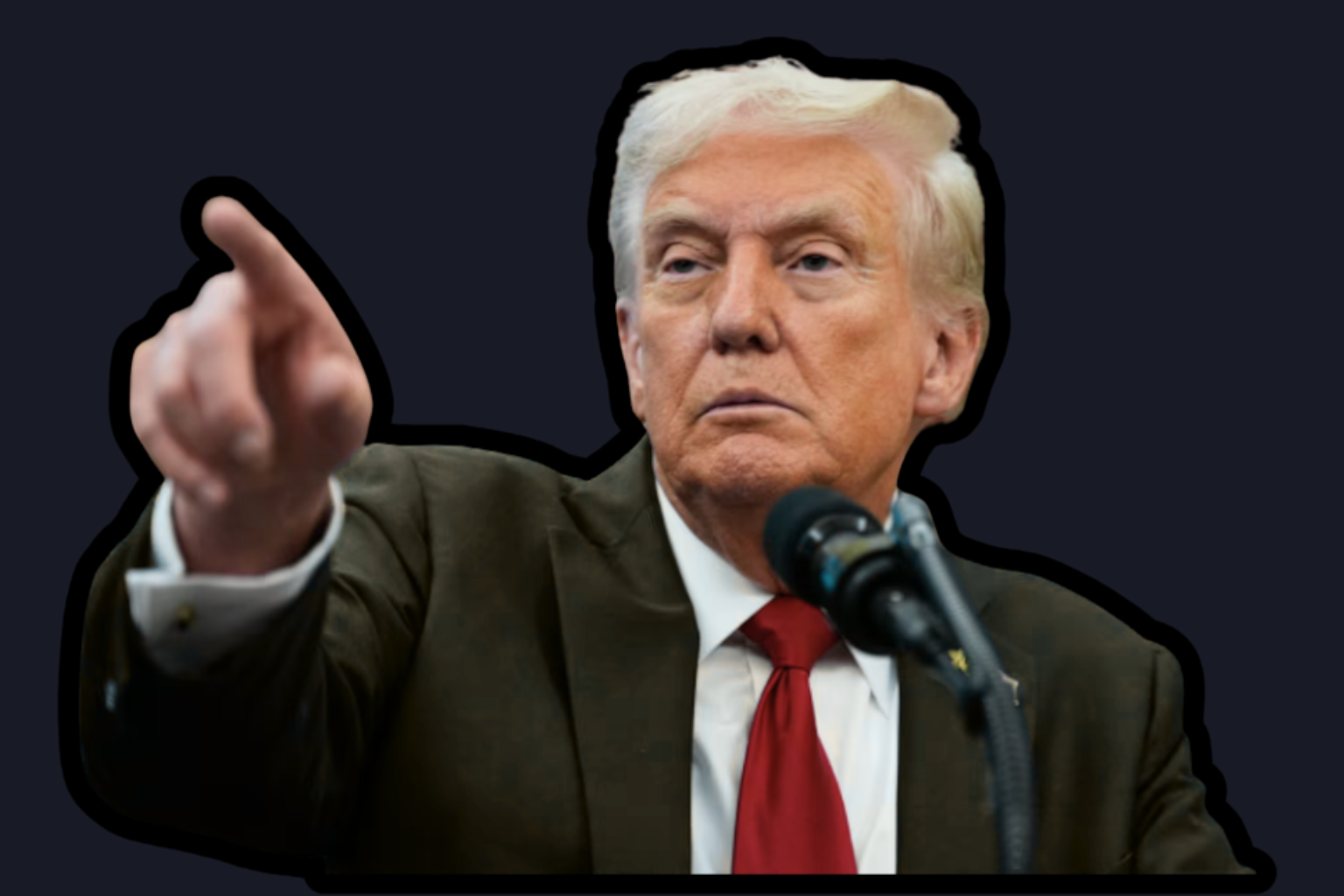
President Donald Trump is facing growing criticism after making remarks about daycare funding during a White House Easter event, where he suggested that the federal government cannot manage basic social services while the country is engaged in international conflicts.
Speaking at the gathering, Trump said he had advised the director of the Office of Management and Budget, Russell Vought, not to allocate federal funds toward daycare programs. According to Trump, responsibility for such services should fall on individual states rather than the federal government. He emphasized that the United States is too large and currently too focused on global conflicts to handle what he described as domestic responsibilities like childcare.
Trump repeatedly stressed that managing daycare at the national level is not feasible, adding that states should not only oversee such programs but also bear the financial burden. He broadened his argument by stating that it is unrealistic for the federal government to manage services such as daycare, Medicaid, and Medicare all at once, especially during times of military engagement.
The president made it clear that, in his view, national defense should be the top priority. He stated that protecting the country must come before funding social programs, referring to certain domestic expenditures as unnecessary or mismanaged. His comments also included criticism of specific states, including California, Maine, and Minnesota, although he did not go into detailed policy discussions about those states.
The remarks quickly drew attention from political figures and policy experts, particularly among Democratic lawmakers and liberal commentators. Critics argued that the federal government has the capacity to support both national defense and essential social services if funds are allocated differently.
Senator Andy Kim of New Jersey responded publicly, suggesting that the cost of ongoing military operations could instead fund expanded healthcare benefits for seniors under Medicare for an extended period. He argued that the issue is not about possibility, but about political choice and priorities.
Other policy voices and analysts also reacted strongly, saying that prioritizing war spending over domestic programs could become a significant political issue. Some observers pointed out that such statements may influence upcoming elections, especially if voters view them as a shift away from previously stated domestic priorities.
The discussion comes at a time when the Pentagon is reportedly seeking approval from the White House for a funding request exceeding $200 billion to support military operations related to the Iran conflict. This request has intensified the debate over federal spending and how resources should be divided between defense and domestic needs.
White House Press Secretary Karoline Leavitt addressed related questions during a press briefing, indicating that the administration is exploring the possibility of having allied nations contribute financially to the conflict. She referenced past examples where countries like Kuwait, Saudi Arabia, and the United Arab Emirates helped fund U.S. military efforts during the Gulf War.
Leavitt also responded to reports suggesting that some Republican lawmakers are considering cuts to federal health programs to offset war-related expenses. She stated that she had not heard of such discussions taking place at senior levels within the White House and declined to confirm any policy direction on that front.
As the debate continues, Trump’s comments have added to the broader national conversation about government priorities, especially during times of conflict. The balance between military spending and domestic welfare remains a key issue, with strong opinions on both sides about what the federal government should prioritize.
The situation highlights an ongoing challenge for policymakers: how to manage limited resources while addressing both national security concerns and the everyday needs of citizens. With rising scrutiny and political reactions, the issue is likely to remain in focus in the coming weeks.
Sources:
White House
U.S. Department of Defense
Official statements and public remarks from federal officials