
Trump Snaps at Reporter Over Question on Iran Conflict Timeline as War Pressure Builds
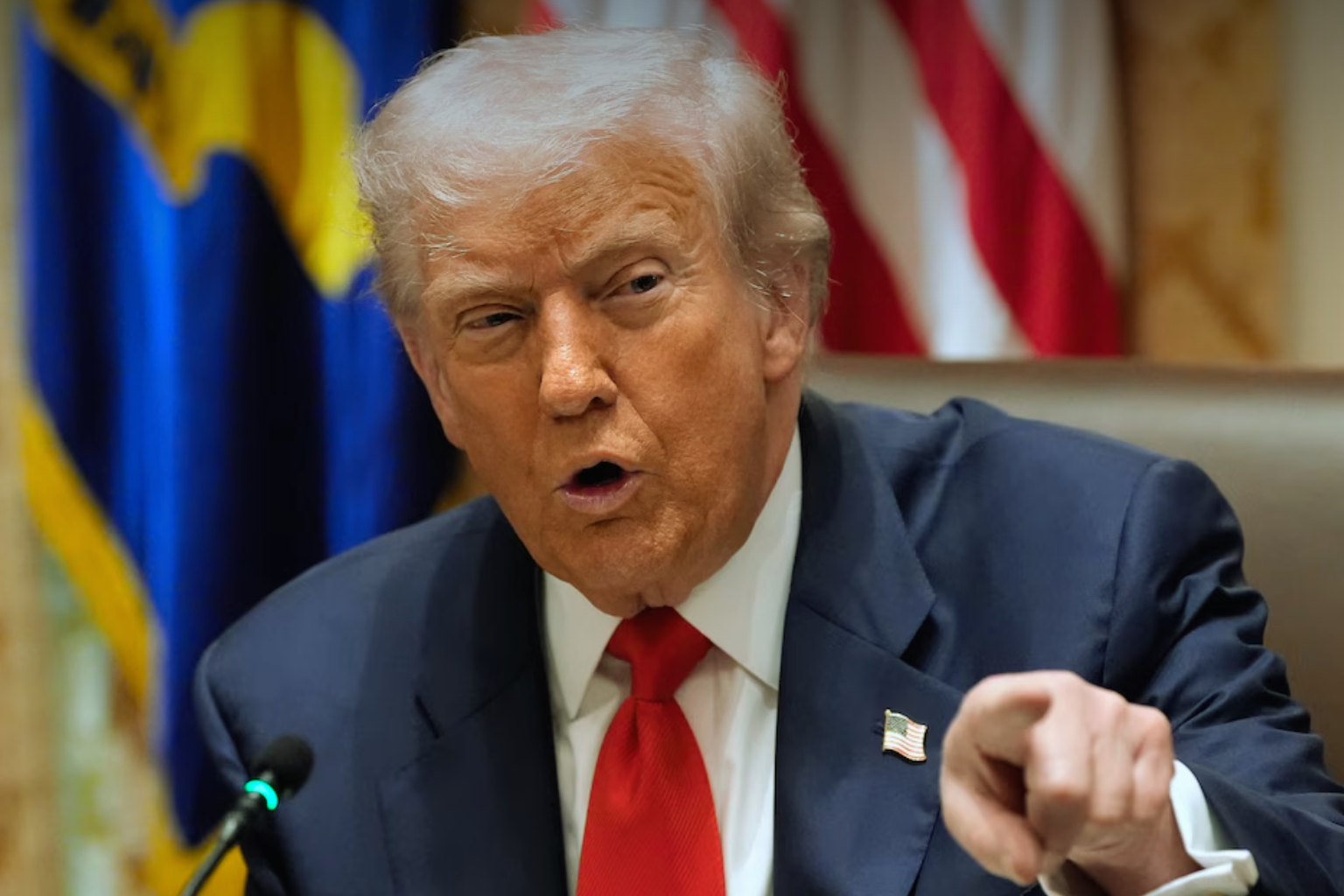
Tensions around the ongoing U.S. conflict with Iran took a sharp turn in tone this week after President Donald Trump reacted angrily to a reporter’s question about how long the war is expected to continue. The exchange happened during a public appearance in the Oval Office, where the president was addressing concerns tied to the prolonged military situation and its impact on Americans.
The moment unfolded when a reporter asked a direct and simple question about the timeline of the conflict, particularly as it approaches nearly two months. The question also pointed out that the situation appears to have extended beyond the earlier six-week timeframe that had been suggested. In response, President Trump did not provide a clear timeline. Instead, he criticized the reporter personally, calling the question inappropriate and shifting the conversation in an unexpected direction.
During his response, the president brought up the Vietnam War, repeatedly asking how long that conflict lasted. His remarks appeared to suggest that long military engagements are not unusual, though he did not directly address the specific concerns raised about the current situation with Iran.
Trump went on to defend his administration’s actions, stating that Iran had already been dealt with militarily in the early weeks of the conflict. According to his comments, the current phase involves waiting to see whether Iran is willing to negotiate a deal. He added that if no agreement is reached, further military action could be taken.
Earlier in the same event, when asked how long he would wait for a response from Iran, the president urged patience and again referenced past U.S. wars, including both Vietnam and Iraq, as examples of conflicts that lasted for years.
The interaction quickly gained attention online, where many users reacted strongly to the president’s tone and remarks. Critics expressed concern over what they saw as a lack of clarity and transparency regarding the future of the conflict. Others focused on his repeated references to Vietnam, especially given past reports that he avoided military service during that era.
Meanwhile, the broader situation between the United States and Iran remains uncertain. The conflict began after joint U.S. and Israeli military actions earlier this year, and although a ceasefire has been extended, key tensions remain unresolved. One major concern is the continued closure of the Strait of Hormuz, a critical global shipping route. This has significantly disrupted oil exports and contributed to rising global energy prices.
The economic impact is already being felt beyond the region. Gas prices have increased sharply, and the cost of everyday goods, including food, has also gone up. International oil benchmarks have seen major spikes, reflecting the ongoing uncertainty. Despite these pressures, financial markets have shown limited reaction so far.
As the situation develops, there is still no clear indication of when the conflict might end. For now, both the military and economic consequences continue to affect not just the region, but people around the world.
Sources:
Associated Press