Trump Demands Legal Action Over “Maximum Warfare” Comment as Political Rhetoric Debate Intensifies in Washington
Former U.S. President Donald Trump has strongly criticized House Minority Leader Hakeem Jeffries following a controversial phrase used during a recent public statement, escalating tensions over political language and its impact on national discourse.
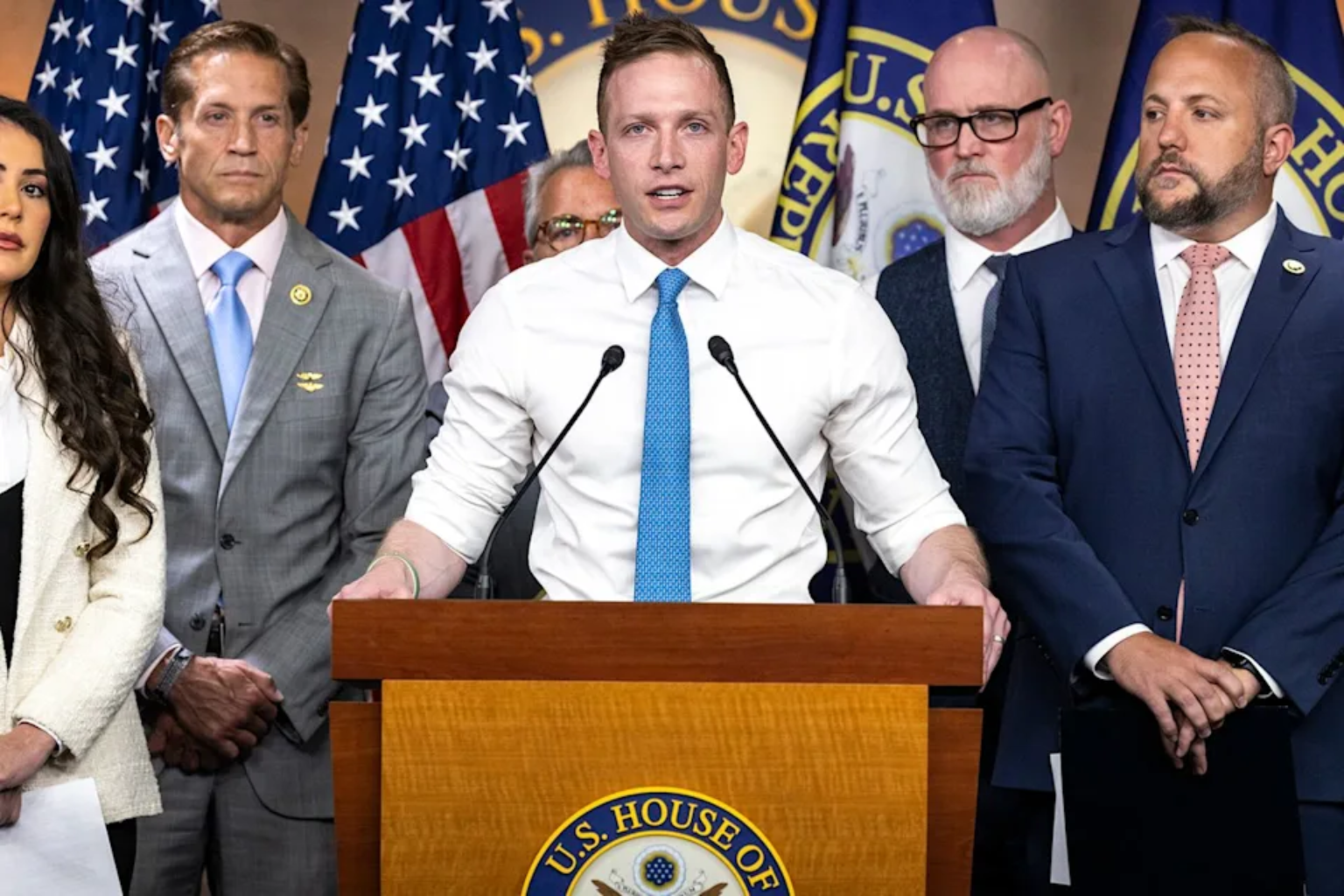
The controversy began after Hakeem Jeffries, a Democratic leader from New York, used the expression “maximum warfare” during an April 22 press briefing. His remarks came in the context of discussions around redistricting efforts following a closely watched special election in Virginia, where a newly approved map is expected to give Democrats a significant advantage in representation.
During his statement, Jeffries said the country was entering an era of “maximum warfare, everywhere, all the time,” emphasizing that Democrats would continue to apply pressure on Republicans across all states to ensure what he described as fair and balanced national district mapping.
The phrase quickly drew attention in political circles, especially after a violent incident near the White House Correspondents’ Dinner on April 25. Some Republican lawmakers linked the rhetoric used by Democratic leaders, including Jeffries’ comments, to rising political tensions in the country.
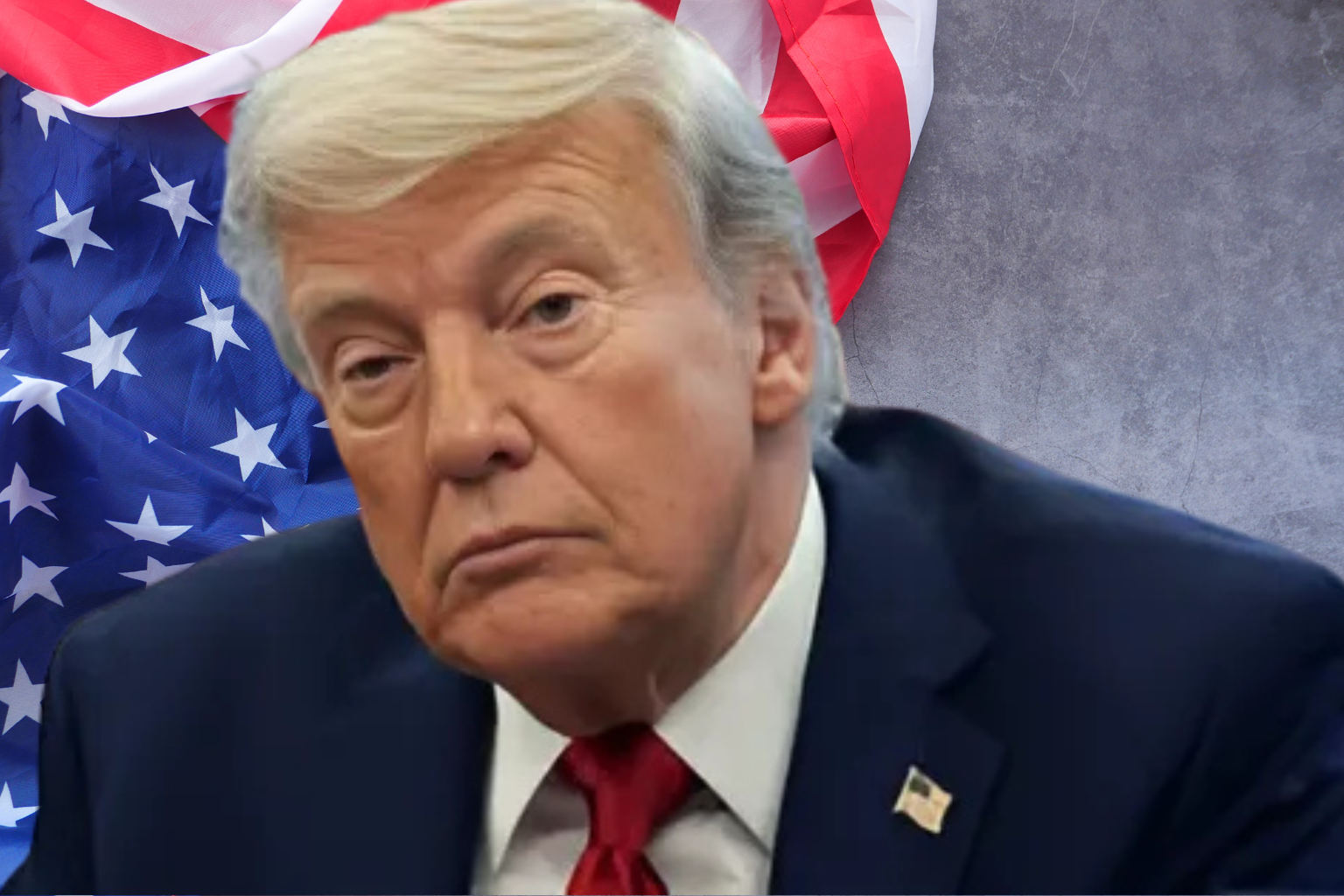
In response, Donald Trump issued a strongly worded statement on his social media platform, calling Jeffries’ remarks dangerous. Trump accused the Democratic leader of encouraging harmful behavior and demanded legal consequences, stating that the comments amounted to inciting violence. He also used highly critical language while addressing Jeffries directly, further intensifying the political confrontation.
The shooting incident referenced in the political debate involved a 31-year-old man from California who was arrested after attempting to breach a security checkpoint at the Washington Hilton. Authorities charged him with multiple offenses, including attempted assassination-related charges and firearm-related crimes. An additional charge related to assaulting a federal officer was later added as investigations continued.
Despite the backlash, Hakeem Jeffries defended his use of the phrase during a later press briefing. While firmly condemning all forms of political violence, he stood by his earlier statement, clarifying that it was a reference to competitive political strategies surrounding redistricting battles. He further explained that the wording reflected a description previously used in media reporting, and rejected criticism linking his comments to any violent act.
Jeffries also expressed frustration over the criticism, stating that he remained committed to his position and was not concerned about political attacks directed at him over the remark.
The incident has added to ongoing national debate in the United States about the tone of political communication, especially during a period of heightened polarization. Lawmakers from both major parties continue to disagree on whether strong political language contributes to real-world violence or falls within the boundaries of political expression.
As investigations into the recent security incident continue, the broader discussion around political rhetoric, responsibility, and accountability remains active in Washington.
Sources:
- Public remarks by House Minority Leader Hakeem Jeffries (April 22–27 press briefings)
- Statements issued by former President Donald Trump on Truth Social
- Federal law enforcement updates related to the Washington Hilton security incident (April 25 arrest case)