
Sudden Illness Among Bald Eagles in New Jersey Sparks State and Federal Probe
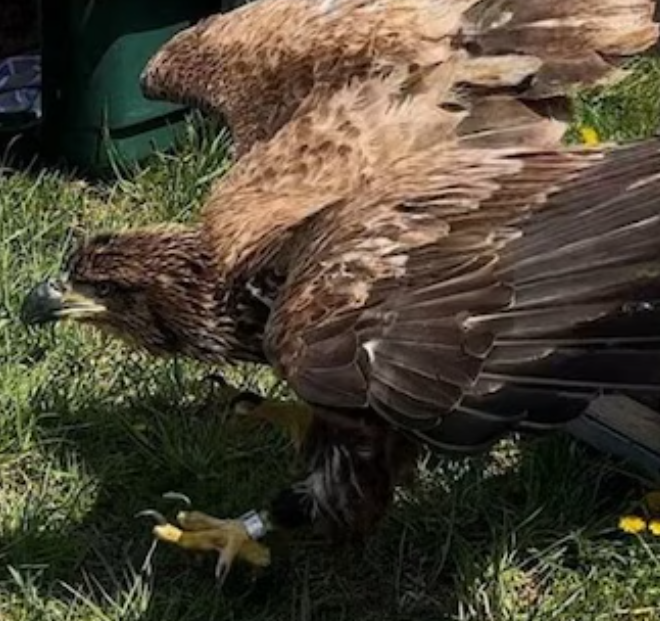
An unusual situation involving multiple sick bald eagles in Warren County, New Jersey has led to a joint investigation by state and federal wildlife authorities. The birds were discovered in a weakened condition over the span of several days, raising serious concerns among wildlife experts about a possible environmental or toxic exposure in the area.
According to wildlife rehabilitators, a total of eight bald eagles were rescued after being found unable to fly in Oxford Township. The cases were reported in two separate incidents, with four birds found in mid-April and another four discovered at the end of April and the beginning of May. All of the affected eagles came from the same general region, which has intensified attention on the source of the issue.
The birds were transported to a wildlife rehabilitation center in Millington, where they received emergency care. Staff at the facility noted that the condition of the eagles was alarming, as they were weak enough to be easily handled by people in the field, which is highly unusual for a wild bird of prey.
Wildlife experts involved in their care indicated that the symptoms observed suggested possible exposure to a toxic substance. However, the exact cause has not yet been identified. Full toxicology testing has been carried out, and samples have been submitted to both state and federal wildlife authorities for detailed analysis.
Rehabilitation teams focused on stabilizing the birds through supportive treatment, including hydration and nutritional care, along with providing a controlled and safe recovery environment. Care providers reported that while the birds initially showed severe symptoms, some responded positively to treatment in a relatively short period.
Officials from the New Jersey Department of Environmental Protection have confirmed that the investigation is ongoing. Wildlife specialists from the Division of Fish and Wildlife are working alongside federal authorities to determine what may have caused the sudden illness among the eagles. At this stage, officials are not releasing the exact location of the incidents in order to protect both wildlife and public safety.
The situation is being closely monitored due to the ecological importance of bald eagles, which are considered a key indicator species for environmental health. Any potential toxin or environmental factor affecting them could also have wider implications for the local ecosystem.
Authorities have not yet confirmed whether the incidents are linked or isolated, but the concentration of cases in a single area has raised concerns that an environmental source may be involved. Investigators continue to collect evidence and analyze samples to reach a definitive conclusion.
Sources:
New Jersey Department of Environmental Protection (NJ DEP)
Division of Fish and Wildlife (New Jersey)
U.S. Fish and Wildlife Service
The Raptor Trust Wildlife Rehabilitation Center