Trump-Branded Phone Project Faces Backlash After Millions Collected From Preorders With No Devices Delivered
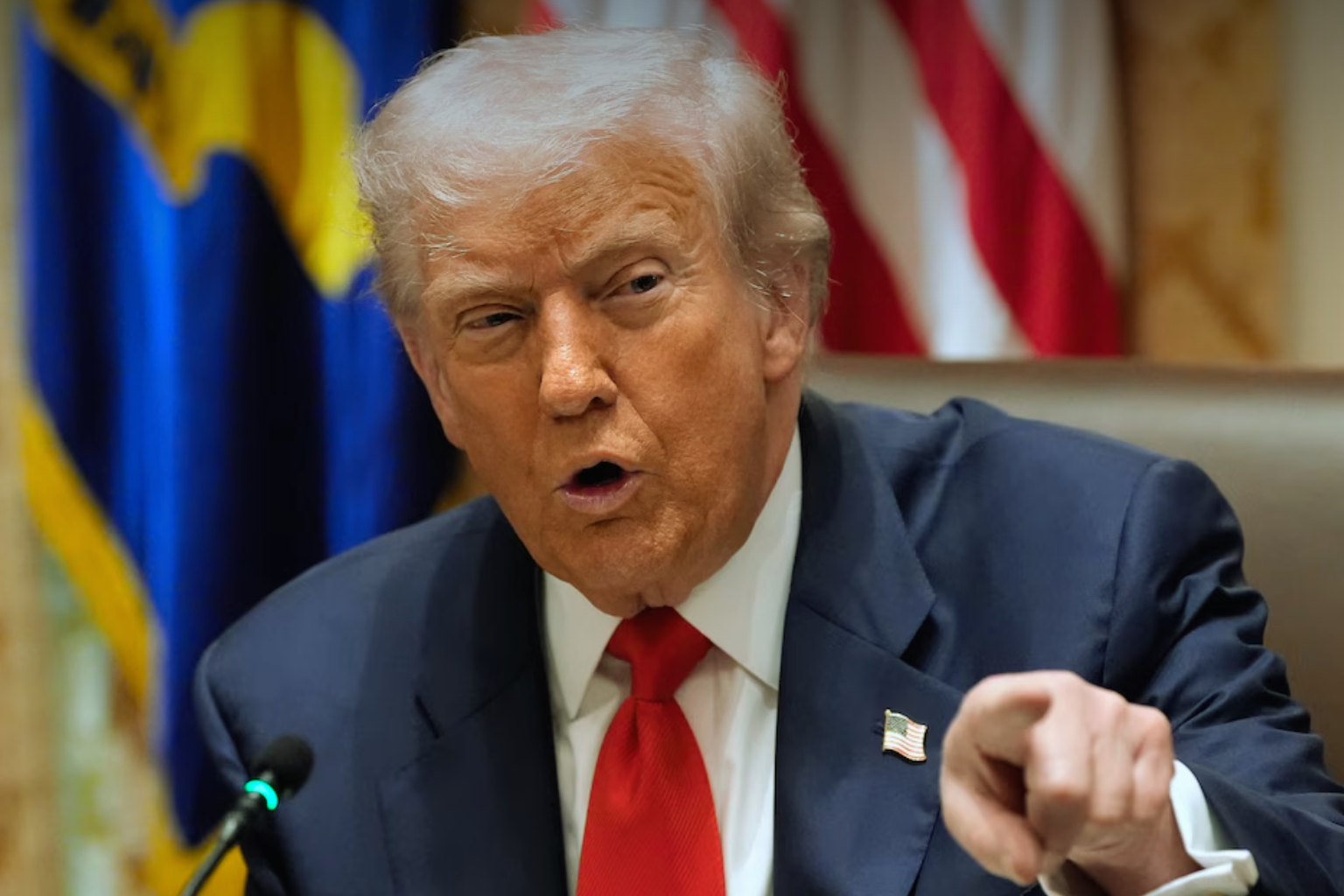
Trump Mobile’s highly promoted smartphone project is facing growing criticism after collecting an estimated $59 million in preorder deposits for its flagship T1 smartphone without delivering a single device to customers. The company launched the service on June 16, 2025, presenting the gold-colored T1 phone as a bold American alternative to major smartphone brands. Nearly a year later, however, buyers are still waiting, and the company’s updated terms have raised new concerns about whether the phone will ever reach the market.
The T1 smartphone was introduced publicly by Donald Trump Jr. and Eric Trump, who described it as a major step toward bringing American-made technology products back into the spotlight. The device was initially expected to launch in August 2025. Customers interested in reserving the phone were required to place a $100 deposit toward the full $500 purchase price.
As interest in the product grew, hundreds of thousands of customers reportedly placed deposits. Based on company figures referenced in reports, around 590,000 people preordered the device. Despite the strong early demand, no confirmed shipment date has been announced, and buyers have not received the phones they paid to reserve.
Questions surrounding the project increased after Trump Mobile quietly updated its preorder terms and conditions on April 6, 2026. The revised language stated that there is no guarantee the T1 smartphone will actually be produced or offered for sale. The updated terms also clarified that all launch schedules and production timelines were only estimates and should not be considered binding commitments.
The changes surprised many customers who believed their deposits secured an upcoming device release. According to the revised policy, preorder payments currently provide little more than possible store credit if the phone eventually becomes available. The company has stated that refunds would be issued if the project is officially canceled, but it also included protections against liability tied to manufacturing delays, parts shortages, or regulatory issues.
Another point drawing attention is the company’s manufacturing plan. Trump Mobile originally promoted the T1 as a proudly American-made smartphone designed to compete with devices from Apple and Samsung, which largely manufacture overseas. However, company executives later confirmed that most production work would happen outside the United States. Only final assembly involving the last few components would reportedly take place in Miami.
That disclosure created criticism because the phone had been heavily marketed using patriotic messaging and promises tied to domestic manufacturing. Promotional material on the company’s website described the service as transparent and reliable, promising customers a straightforward experience.
While the T1 remains unavailable, Trump Mobile has continued selling refurbished iPhones manufactured in China and used Samsung phones operating through T-Mobile’s network. The company’s main wireless package, known as the “47 Plan,” costs $47.45 per month, referencing Donald Trump’s status as both the 45th and 47th president.
Although Donald Trump Jr. and Eric Trump publicly introduced the project and appeared in promotional events at Trump Tower, the company’s website also includes legal disclaimers stating that the Trump Organization and the Trump family are not directly involved in manufacturing or selling the products. Instead, the Trump name is reportedly licensed to T1 Mobile LLC through a limited agreement that can be ended at any time.
The situation has also attracted attention in Washington. In January, Senator Elizabeth Warren and several Democratic lawmakers called for the Federal Trade Commission to investigate what they described as potentially deceptive business practices connected to preorder deposits and advertising claims. Lawmakers specifically questioned whether the company’s “Made in the USA” messaging may have misled customers.
The lawmakers said publicly available information suggested a pattern of conduct that could justify regulatory review. They requested answers from federal regulators by February 14. As of May 2026, however, the Federal Trade Commission has not publicly confirmed whether a formal investigation has been opened. FTC Commissioner Andrew N. Ferguson has also not issued public comments regarding the matter.
Consumer frustration has continued to grow online as buyers and journalists describe confusing preorder experiences and changing company policies. Investigative journalist Joseph Cox of 404 Media shared that his attempt to preorder the T1 phone in July 2025 quickly turned into what he described as a chaotic process. According to Cox, his credit card was charged incorrectly, and the company never requested a shipping address before sending a confirmation email promising future updates that never arrived.
Technology content creator Carter Smith also criticized the preorder system after placing a deposit for the phone. In a video posted on Instagram in May 2026, Smith said he believed the deposit guaranteed that the company would eventually manufacture and deliver the device. Instead, he said customers were effectively paying for the possibility of buying a product later if the company decided to move forward with production.
The controversy surrounding Trump Mobile highlights growing concerns over transparency in high-profile consumer tech launches, especially when large preorder deposits are involved. With no confirmed release date, changing legal language, and ongoing political scrutiny, many customers are now questioning whether the T1 smartphone will ever become a real product.
Sources:
- Federal Trade Commission (FTC)
- Public promotional material and company announcements from Trump Mobile
- 404 Media
- Trump Mobile terms and conditions updates