Rising Debate Over Bat Flips in New Jersey Baseball: Celebration or Cause for Concern?
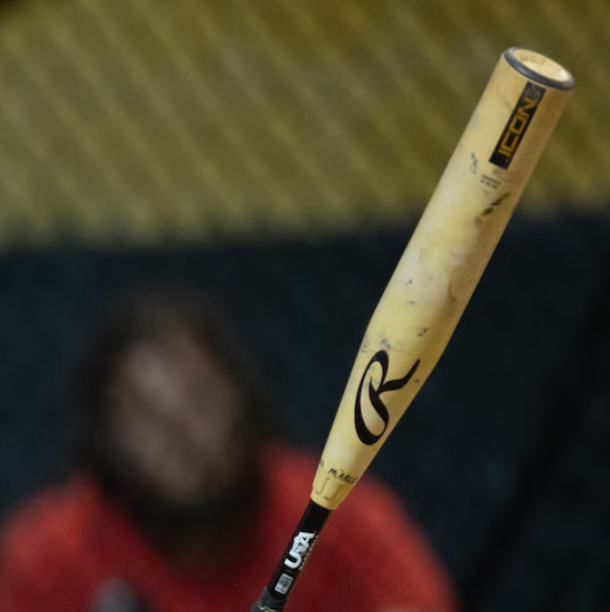
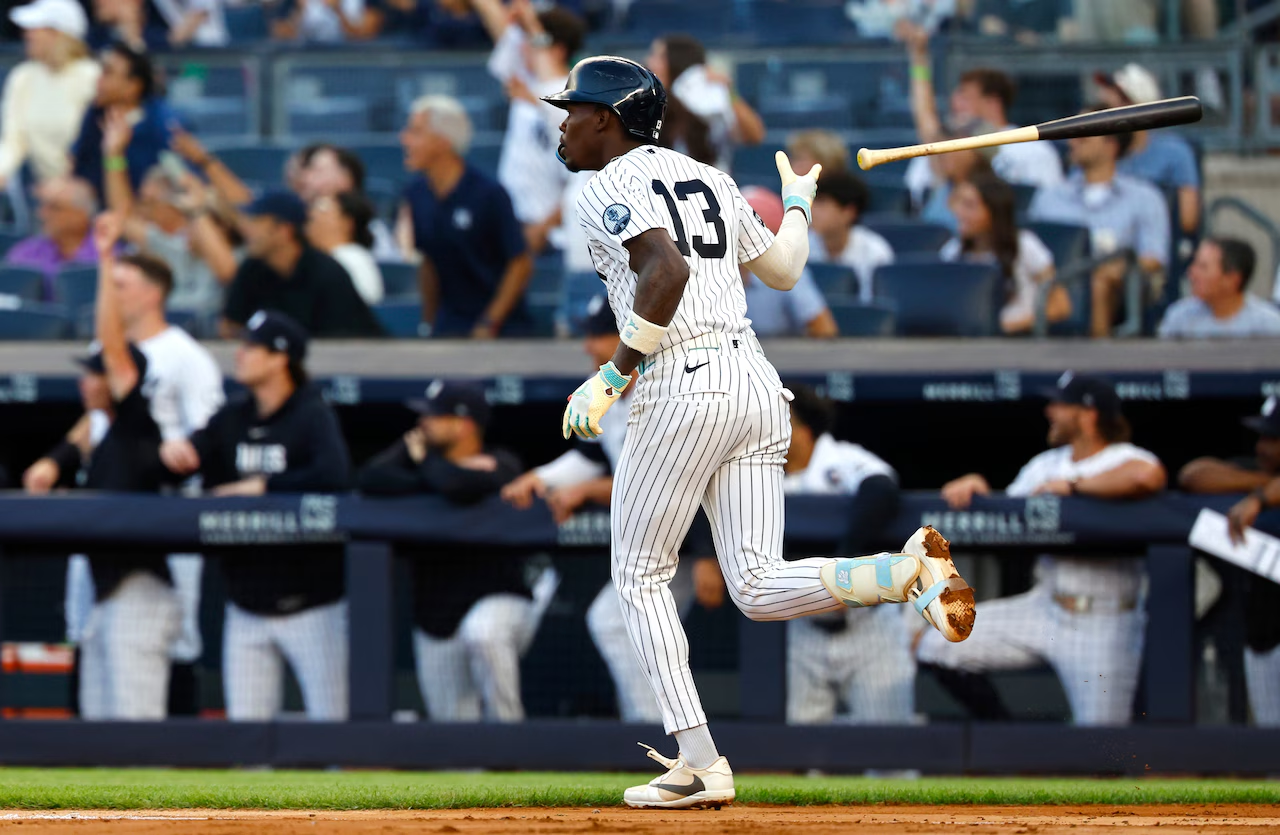
Across New Jersey baseball fields, a growing trend in bat flipping has sparked a heated debate among players, coaches, and fans. What was once a rare display of emotion after a home run has now become a common sight at nearly every level of the game—from youth leagues to high school and even professional baseball. While many see it as a harmless expression of joy and personality, others argue it is changing the culture of baseball in a way that can lead to unnecessary conflict and unsafe situations.
The discussion around bat flips has been building for years, especially as baseball culture has shifted toward more expressive celebrations. Moments from international tournaments like the World Baseball Classic helped bring this style of celebration into the global spotlight. High-profile players such as Fernando Tatis Jr. and Shohei Ohtani have been seen celebrating home runs with dramatic bat flips, which quickly spread across social media and inspired younger players to follow the same style.
In Major League Baseball, the modern game has gradually accepted these emotional celebrations. Even broadcast networks have embraced the entertainment value, highlighting the most dramatic bat flips throughout the season. However, this acceptance at the professional level has created a ripple effect that is now strongly felt in youth and high school baseball across New Jersey.
At the local level, coaches report that players are increasingly imitating what they see on television and social media. According to several high school coaches in New Jersey, younger athletes often replicate professional-style celebrations without fully understanding how opponents may react. Some coaches believe this trend adds excitement and helps players express themselves, while others feel it encourages disrespect toward opponents and increases tension during games.
One incident that gained widespread attention involved a 12-year-old player who was suspended after a highly expressive bat flip during a competitive game. The situation reignited national discussion about where the line should be drawn between passion and sportsmanship in youth sports. Since then, similar debates have continued as bat flips become more common across school and travel baseball programs.
Some coaches argue that baseball should remain grounded in tradition and discipline. They believe excessive celebrations can escalate emotions on the field and even lead to retaliation from opposing teams. In several reported cases at the high school level, pitchers have responded aggressively after emotional home run celebrations, leading to warnings and disciplinary actions from coaches and officials.
Others within the baseball community take a more modern view. They compare bat flips to touchdown dances in football or goal celebrations in soccer, suggesting that emotional expression is a natural part of competitive sports. Supporters of this perspective believe that allowing players to celebrate freely can increase enjoyment of the game and help maintain interest among younger athletes who consume sports through social media platforms.
The influence of digital content creators has further accelerated the trend. Some baseball-focused online groups and youth programs have built large followings by showcasing flashy plays, creative celebrations, and viral-style game moments. These programs often encourage players to perform for both competition and online audiences, blending traditional sports with entertainment-driven content. Critics, however, argue that this approach places too much focus on attention and not enough on discipline or teamwork.
The debate is especially strong at the youth level, where players are still developing their understanding of sportsmanship. Coaches in New Jersey report that while some players celebrate without issue, others struggle to balance confidence with respect for opponents. This has led many programs to re-evaluate their rules around celebrations and in-game behavior.
Former players and coaches remain divided on the issue. Some believe that emotional expression is part of the evolution of baseball and should be accepted as long as it does not directly target or insult opponents. Others insist that maintaining traditional standards is essential to preserving the integrity of the sport.
Despite the disagreement, one thing remains clear: bat flips are not going away anytime soon. As baseball continues to evolve alongside social media culture and changing player attitudes, the line between celebration and controversy is likely to remain a central topic in the sport for years to come.
Sources:
Associated Press sports coverage, Major League Baseball historical coverage, World Baseball Classic tournament coverage, ESPN baseball coverage.