NJ Transit Prepares Massive World Cup Travel Operation as DoorDash Joins Fan Transportation Program
As thousands of soccer fans prepare to travel to MetLife Stadium for the opening World Cup matches, NJ Transit has unveiled a major transportation plan designed to move large crowds efficiently while keeping travel costs lower for riders. The agency also introduced specially branded trains supported by DoorDash, a partnership that officials say helped reduce the overall cost of transportation services during the tournament.
One of the newly unveiled trains features a bright red DoorDash-themed design carrying a soccer-focused message. The partnership includes two locomotives that will remain wrapped in the company’s branding through June 2027. NJ Transit officials said the sponsorship played an important role in supporting transportation operations for the World Cup and helped offset expenses associated with moving tens of thousands of fans to and from matches.
According to NJ Transit leadership, DoorDash contributed $1.7 million toward the transportation effort. Agency officials said corporate sponsorships were sought after concerns emerged about the affordability of travel for fans attending matches. The financial support allowed NJ Transit to lower fares for World Cup transportation services, reducing the cost to $98.
As part of the sponsorship agreement, the Meadowlands rail line will temporarily carry DoorDash branding, while digital World Cup train tickets will also reflect the partnership. In another highly visible promotional effort, Secaucus Junction will be illuminated in DoorDash colors throughout the 39-day World Cup tournament, creating a prominent display for travelers and motorists passing through the area.
The transportation agency also provided a preview of the travel experience awaiting fans during the tournament. Reporters were taken on the same approximately 15-minute rail trip that thousands of spectators will use when traveling between Secaucus Junction and MetLife Stadium. NJ Transit expects heavy demand during all eight World Cup matches scheduled at the stadium.
To assist visitors arriving from around the world, NJ Transit is deploying a large team of ambassadors throughout the transit network. These employees will help riders find trains and buses, answer questions, and provide guidance during match days. Officials said multilingual ambassadors will be assigned based on the expected attendance of international fans, ensuring language support is available where it is needed most.
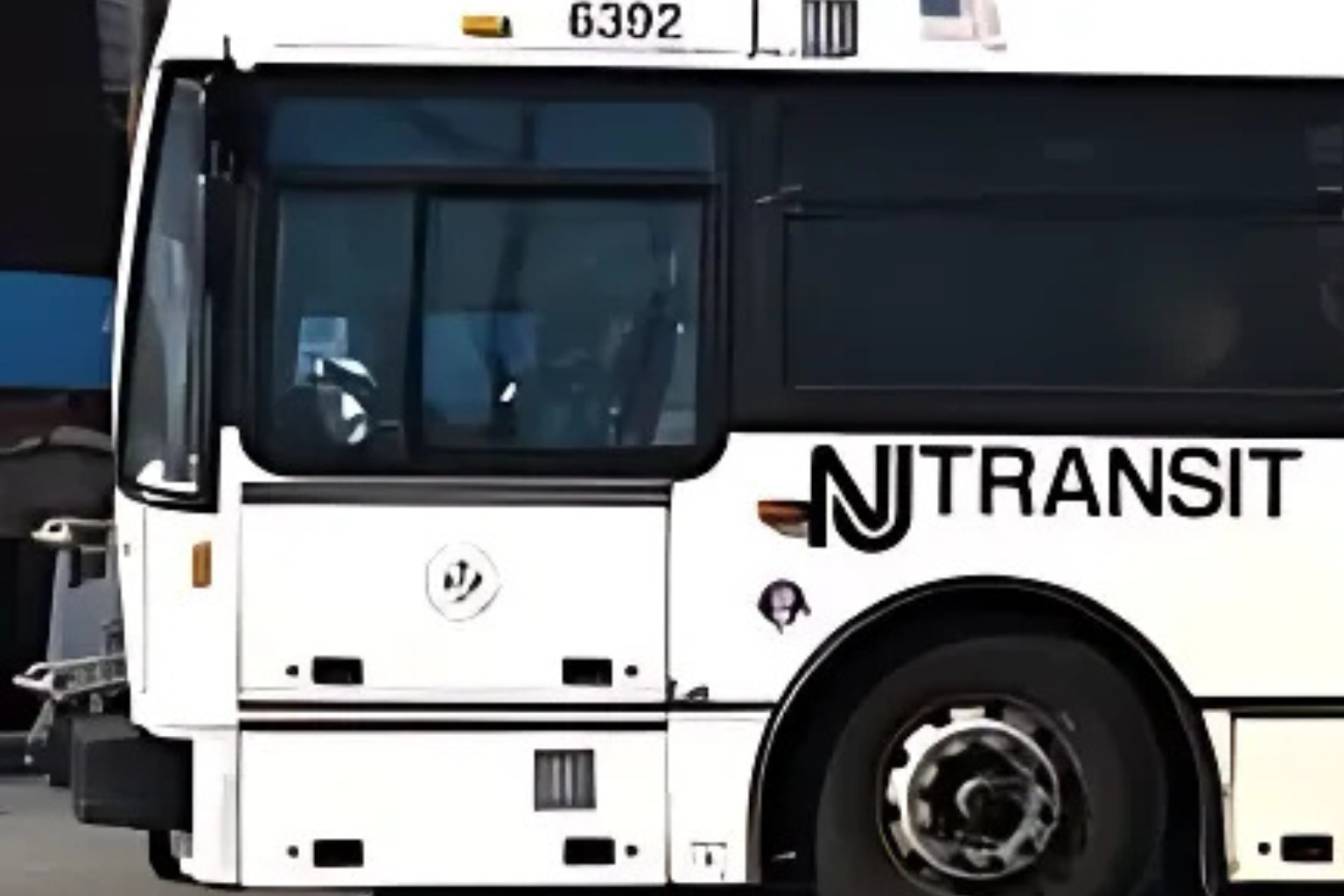
In addition to rail service, NJ Transit showcased a large temporary bus terminal built to support the agency’s Transitway bus rapid transit system. The facility is designed to handle up to 20,000 passengers daily and offers shelter for riders while helping manage the significant crowds expected during the tournament.
Officials said the terminal took approximately one year to complete and forms a central part of the broader transportation strategy. The project was supported by a $100 million grant from the Federal Transit Administration, which helped fund the Transitway system, the new terminal, and traffic signal improvements designed to keep buses moving efficiently.
Transportation planners expect the bus operation to play a major role in moving fans. The terminal can accommodate 75 buses at a time, with each bus capable of carrying approximately 100 passengers. Special traffic management measures will allow buses to receive priority at traffic signals, helping prevent delays and improving travel times between key locations.
NJ Transit estimates that the Transitway system will be capable of moving as many as 10,000 people per hour between Secaucus and the stadium area. Officials emphasized that both train and bus operations have been designed for rapid passenger loading and unloading to maintain a steady flow of travelers throughout the event.
Rail operations have also been adjusted to support the expected crowds. All three tracks at Meadowlands Station will be used during match days, and trains will be staged in advance so new trains can arrive immediately after others depart. Agency officials believe this approach will help minimize wait times and keep passengers moving efficiently.
One of the most important requirements for fans using NJ Transit services will be the wristband system. After tickets are checked, passengers will receive wristbands that must be kept on throughout their trip. Officials stressed that the wristbands will be inspected multiple times when entering and leaving the stadium area. Riders who remove or lose their wristbands may not be able to board return transportation services.
Large signs placed throughout transportation areas will remind passengers of the requirement. Messages will be displayed in multiple languages and adjusted based on the countries represented at each match, helping international visitors understand the process.
Security will also be a major focus throughout the tournament. NJ Transit Police and partner agencies have developed a multi-layered screening system aimed at maintaining safety without creating significant delays. Travelers departing from Penn Station in New York will undergo screening procedures conducted by NJ Transit and Amtrak police using technology designed to identify potential concerns while allowing passengers to continue moving through stations efficiently.
Additional security measures will be in place at MetLife Stadium, where law enforcement agencies will conduct more extensive screenings using advanced detection technology. Officials encouraged fans to travel light and avoid bringing unnecessary items, noting that many personal belongings may not be permitted inside the stadium.
While NJ Transit expressed confidence in its preparations, transportation infrastructure remains under close scrutiny as the tournament begins. Concerns have also been raised regarding the reliability of the rail network that supports service to the stadium. A member of New Jersey’s congressional delegation recently urged Amtrak leadership to take extraordinary steps to prevent service disruptions and ensure quick recovery if operational issues occur during the World Cup.
With the first match set to begin at MetLife Stadium, NJ Transit officials say years of planning, new infrastructure investments, expanded security measures, and partnerships with private sponsors have all been brought together to create a transportation system capable of handling one of the largest sporting events ever hosted in the region. The agency’s goal is to provide fans with a safe, organized, and efficient travel experience from arrival to departure throughout the tournament.