Newark Mayor Raises Concerns Over Police Conduct During Delaney Hall Protest Response, Calls for Review of Tactics
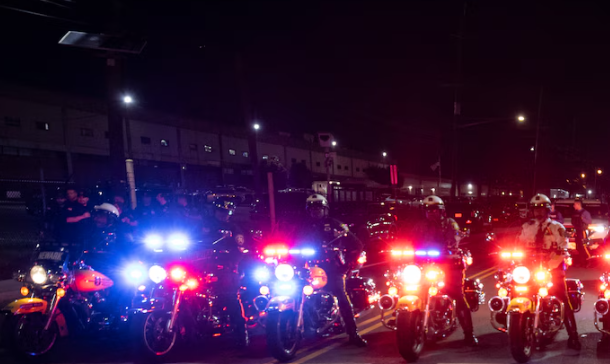
Newark Mayor Ras Baraka has strongly criticized the police response during recent protests outside the Delaney Hall immigration detention facility, describing the actions taken by law enforcement as excessive, unnecessary, and in some cases potentially unconstitutional. His remarks come after several days of escalating tensions between protesters and police in Newark, New Jersey.
The protests, which began over the Memorial Day weekend, were organized outside the privately operated detention center amid serious allegations regarding the treatment of detainees. Reports from activists and former detainees include claims of inadequate food quality, including spoiled meals and worms in food, lack of medical care for individuals with serious health conditions, and concerns about detainees being forced to work in facility operations for minimal or no pay.
According to these accounts, some individuals held at the facility operated by the GEO Group have reportedly gone months without payment while performing essential tasks such as cleaning and food service. The GEO Group, which runs Delaney Hall under federal contracts, has denied some officials access to the facility during recent visits, further intensifying public scrutiny.
Tensions escalated further when law enforcement agencies increased their presence around the facility. Mayor Baraka stated in a public message that the city of Newark intends to take a more active role in managing incidents at the site going forward, emphasizing that the city traditionally relies on community-based policing and support for constitutional rights, including the right to peaceful protest.
A nightly curfew was introduced by city officials for the area surrounding Delaney Hall, restricting access from 9 p.m. to 6 a.m. within a half-mile radius. Despite these measures, confrontations between protesters and police continued over the weekend, with reports of aggressive crowd control tactics.
The New Jersey Fraternal Order of Police defended law enforcement actions, stating that while peaceful protest is fully supported, public safety decisions must be guided by real-time conditions and operational needs rather than political pressure or public criticism. The organization emphasized that maintaining safety during heightened tensions remains a primary responsibility of law enforcement agencies.
By Monday night, Newark Police officers were seen clearing protesters from the immediate area outside Delaney Hall and moving them beyond the designated curfew zone. Unlike previous nights, there were no confirmed reports of arrests during the latest operation, marking a noticeable shift in how the situation was handled.
Earlier in the week, the protests had already drawn significant attention after several high-profile incidents, including the use of pepper spray during demonstrations involving U.S. Senator Andy Kim and other participants. State officials also reported restricted access for inspections inside the facility, raising further questions about oversight and transparency.
Following the unrest, state authorities had previously assigned New Jersey State Police to oversee security operations around the facility. However, recent updates confirm that Newark Police are now taking a leading role in managing public safety outside Delaney Hall, with state police continuing to provide support.
Mayor Baraka has also indicated that the city is preparing to pursue legal action against the operators of the facility, adding another layer of legal and political pressure to an already escalating situation.
As protests continue to draw attention, the debate remains focused on balancing public safety, constitutional rights, and accountability in the handling of immigration detention facilities in New Jersey.
Sources:
Newark City official statements
New Jersey State Police public safety updates
U.S. Immigration and Customs Enforcement (ICE) facility oversight framework
New Jersey Fraternal Order of Police public statement
Reports from state-level elected officials and law enforcement briefings