New Jersey’s Lovelandtown Bridge to Close for Extensive Winter Repairs
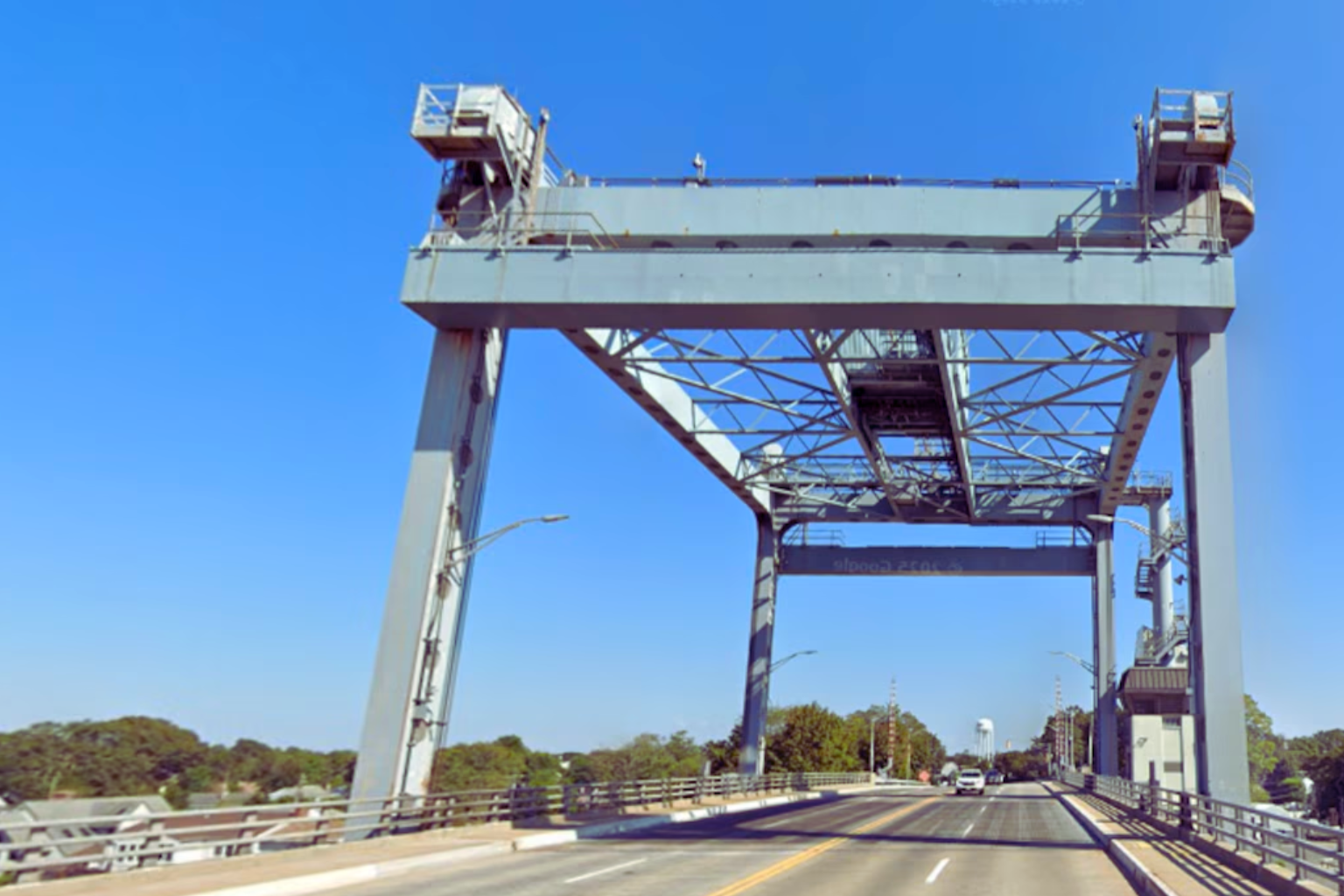
State officials will close a small but historic New Jersey bridge for two months to repair it. The Lovelandtown Bridge, a 54-year-old lift bridge between Point Pleasant and Bay Head on Route 13, will close on January 5.
State transportation officials said the work adjusts the tension of wires connecting to the bridge’s counterweights, which lift the deck. To properly repair Route 13, two shoring towers will be built on the road, closing it. By scheduling this work in winter, officials may minimize interruptions for the two connected Shore communities.
New Lovelandtown Bridge opened in 1972, replacing a 1929 structure. The Ash Wednesday storm in March 1962 compromised the support pilings, forcing a part of the bridge to collapse into the canal. The storm revealed that the bridge needed to be replaced after worries about its 20-ton weight.
The bridge replacement debate lasted nearly a decade. A tunnel under the canal was proposed but rejected due to excessive expenses. A lift bridge with a 70-foot central section allowed boats to pass beneath, therefore engineers chose it. Most movable bridges in the region were drawbridges, therefore this design was rare.
In 1965, an automobile went through a wooden fence and slid into the canal, killing the driver. Local authorities pressed for faster completion. In 1968, voters approved a $640 million bridge bond measure, ending funding delays. Construction necessitated moving Route 13 and removing 20 structures, including a State Police marine barracks. The new bridge opened in May 1972 but was temporarily closed due to operational concerns. It reopened later that year.
The bridge has needed maintenance for decades. For safe lift operation, a $2.4 million effort replaced the outdated control and motor systems in 2004. The state Department of Transportation is making winter repairs to keep the bridge safe for cars and marine traffic.
Bay Head and Point Pleasant depend on the Lovelandtown Bridge, despite its small size. Its history shows how Jersey Shore infrastructure management requires inventiveness to combine safety, traffic flow, and maritime concerns. Residents and travelers should prepare alternate routes during the closure and monitor state transportation officials’ maintenance updates.
Sources:
New Jersey Department of Transportation
Point Pleasant Historical Society