New Jersey Judges Revisit Casino Smoking Rules as Science and Workplace Rights Take Center Stage
Atlantic City casinos remain New Jersey’s only indoor smoking spots nearly 20 years after the ban. Staff from public health and casinos discuss whether this long-standing exception applies.
On Monday, New Jersey appeals court heard from casino workers who say secondhand smoking poisons them. Dealers, servers, and other workers claimed they had a constitutional right to a smoke-free workplace and that the casino exemption unfairly exposed them to health hazards no other state worker faces.
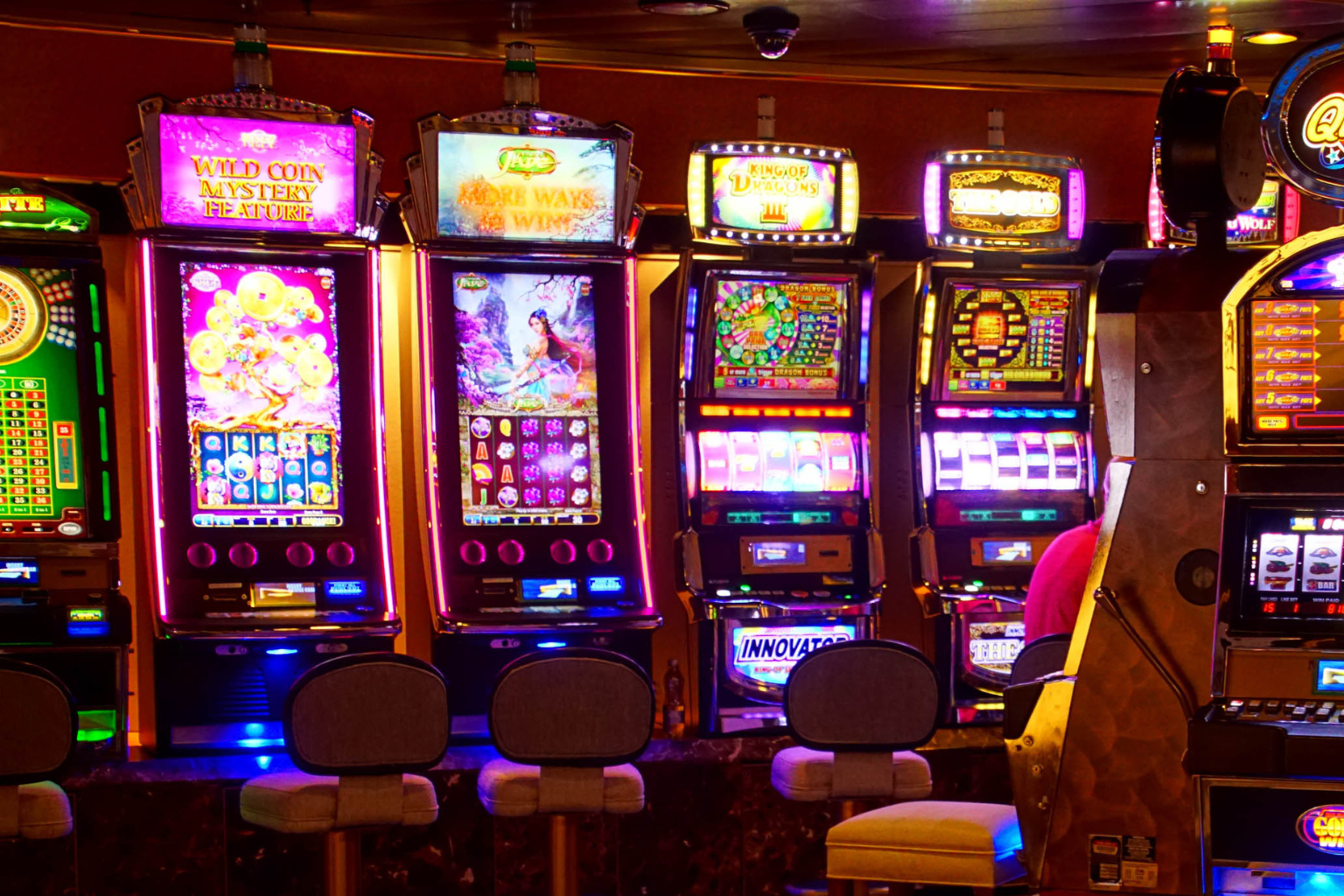
Casino workers’ representatives said the state outlaws smoking in restaurants, hotels, beaches, and most interior public places. Many casinos allow smoking on gambling floors. The workers’ attorneys claimed this exemption endangers their health and gives casinos an unfair advantage.
“This exemption allows a corporation to knowingly put its employees’ health at risk, which contradicts the very principles of New Jersey’s Constitution,” stated a casino worker attorney. “The law should not favor business over public health.”
Since April 2024, CEASE and the UAW have represented Bally’s, Caesars, and Tropicana workers. Casinos can have smoking areas, but the complaint wants to close the loophole and protect workers from secondhand smoke.
A lower court agreed with the state in August 2024, stating that while health hazards were known, safety was not a constitutional right. Workers appealed that ruling to the appellate division, arguing that the law should prioritize health above limits.
Justices debated the exemption’s legitimacy Monday. After the law passed, Atlantic City casinos changed significantly. Online gaming and neighboring state rivalry changed casinos. Many people know about smoking and secondhand smoke, and scientific studies show the effects of persistent exposure.
A controlled evidentiary hearing for health concerns was recommended by several judges. Early this year, studies found that Atlantic City casinos’ air quality exceeds federal environmental limits, including secondhand smoke in non-smoking areas. Evidence like this supports rethinking the exception.
State and casino representatives argued the Legislature, not the courts, should change the law. Casino employment stability and state-funded program revenue were economic factors. Government officials argued the exception was sensible policy that benefited the state and its inhabitants’ economies.
Even though 20 years have elapsed since the initial exception was granted, judges have questioned whether economic motivations could trump health concerns. Now, smoking differs. Casinos changed. Judge: Modern research differs. With smoking’s legal and social changes, the comment encourages reevaluation.
Worker health, public policy, and economic interests clash as the case progresses. Casinos say the exemption preserves jobs and money, but workers and public health groups want it to reflect modern science and improve safety.
The appeal court’s ruling may affect Atlantic City and NJ workplace protections. The case may influence economic and health balance in other exemption-exempt industries.
Sources:
New Jersey Superior Court rulings
Environmental Protection Agency (EPA) air quality standards
CEASE (Casino Employees Against Smoking Effects) filings
New Jersey Smoke-Free Air Act