Build-to-Rent Communities Are Reshaping the Housing Market
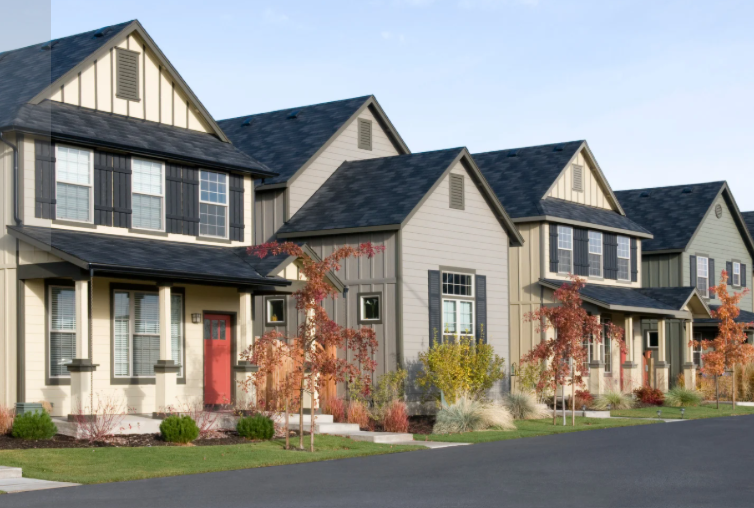
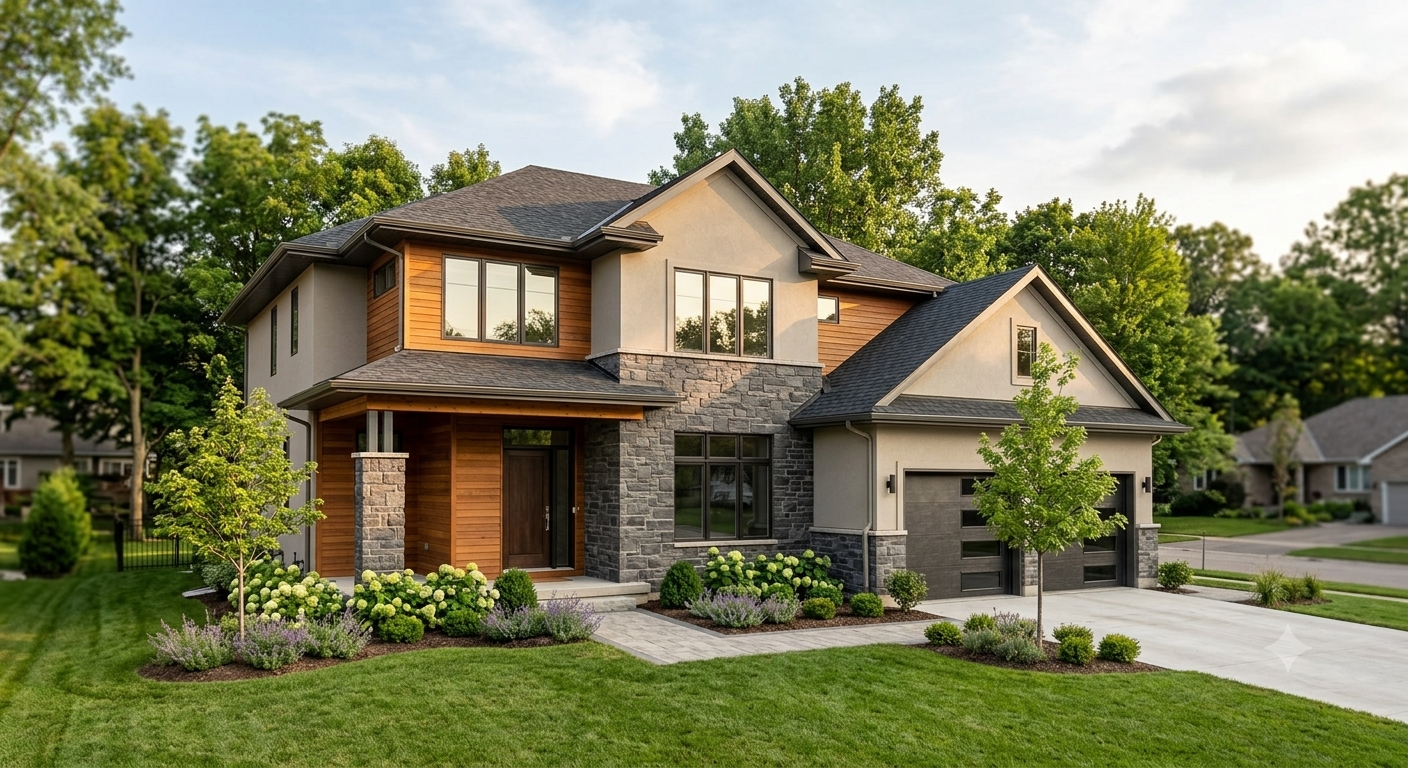
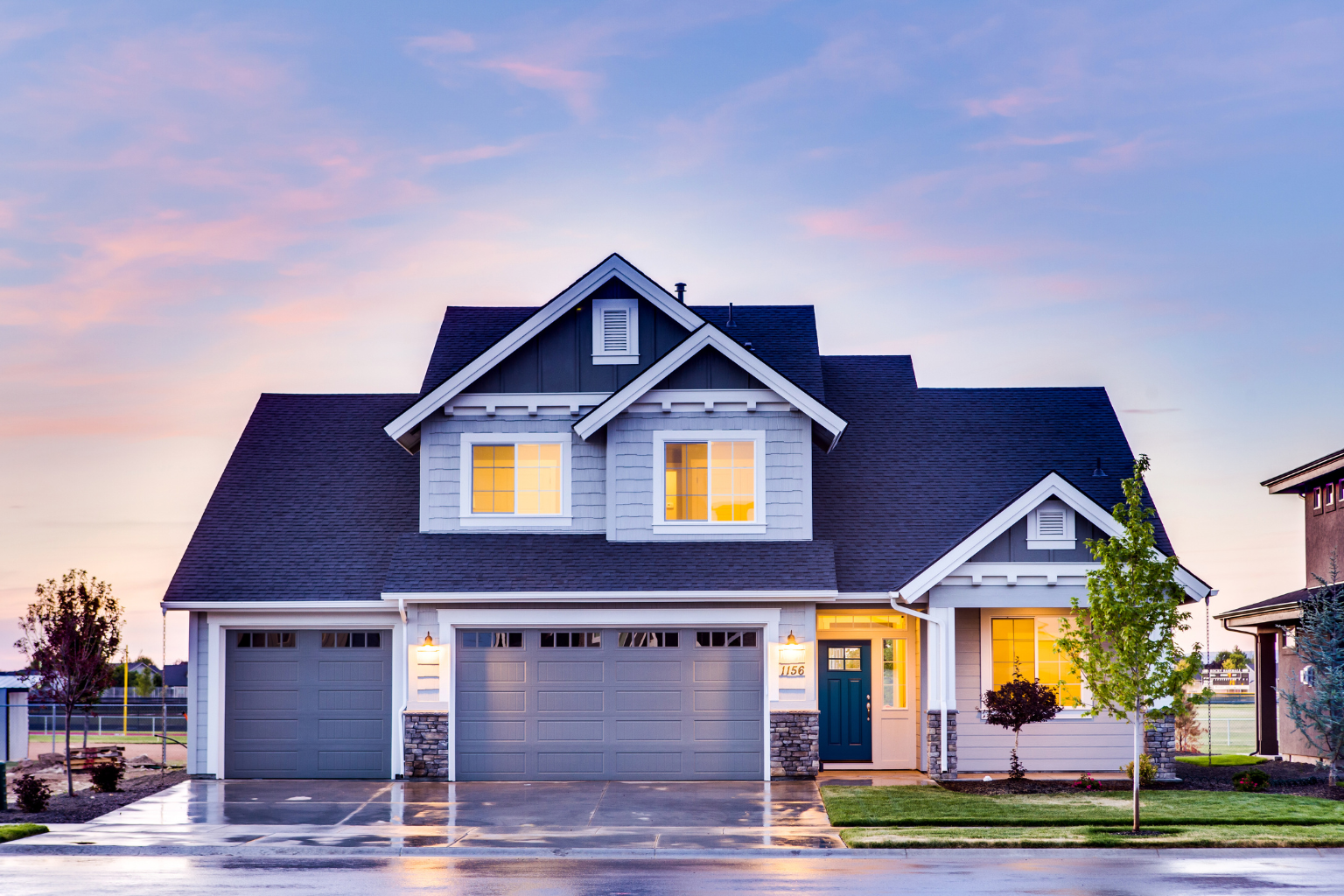
The real estate industry is witnessing a growing shift toward build-to-rent (BTR) communities, a housing model designed specifically for long-term renters rather than homebuyers. Unlike traditional apartment complexes, these developments feature single-family homes or townhouses with private yards, modern amenities, and professionally managed services. As housing affordability remains a challenge in many markets, build-to-rent communities are becoming an increasingly attractive option for families, young professionals, and retirees.
One of the main reasons for the popularity of build-to-rent housing is flexibility. Many people want the comfort and privacy of a detached home without the long-term financial commitment of purchasing one. Renting allows residents to relocate more easily for career opportunities or lifestyle changes while still enjoying spacious living environments and community amenities.
Developers are responding to this demand by investing in purpose-built rental neighbourhoods. These communities often include shared amenities such as fitness centres, walking trails, swimming pools, coworking spaces, playgrounds, and pet-friendly facilities. Professional property management also ensures maintenance and repairs are handled efficiently, providing a convenient living experience for tenants.
For real estate investors, build-to-rent properties offer a stable source of recurring income. Demand for rental housing has remained strong due to rising home prices, higher mortgage rates, and changing lifestyle preferences. As a result, institutional investors and real estate firms are increasingly allocating capital to build-to-rent projects, viewing them as resilient long-term investments that can perform well across different market cycles.
Technology is further enhancing the appeal of these communities. Many new developments feature smart home technology, including keyless entry systems, smart thermostats, energy-efficient appliances, and mobile apps that allow residents to pay rent, submit maintenance requests, and communicate with property managers. These digital conveniences improve the overall resident experience while reducing operational costs for property owners.
The growth of build-to-rent housing also reflects broader demographic trends. Younger generations are delaying homeownership due to affordability concerns, while some retirees prefer renting to avoid maintenance responsibilities. Families seeking larger homes in suburban areas are also contributing to demand, particularly in regions with strong job markets and expanding infrastructure.
Despite its advantages, the build-to-rent sector faces challenges such as rising construction costs, land availability, and local zoning regulations. Developers must carefully balance affordability with profitability while ensuring that new communities integrate well with surrounding neighbourhoods. Local governments also play an important role by supporting housing development that addresses growing population needs.
Industry experts expect the build-to-rent market to continue expanding as demand for high-quality rental housing increases. The model offers a practical solution for people seeking flexibility without sacrificing space or comfort while providing investors with reliable long-term opportunities. As housing preferences continue to evolve, build-to-rent communities are likely to become an increasingly important part of the modern real estate landscape.
Sources:
- National Association of Home Builders (NAHB): https://www.nahb.org/
- Urban Land Institute (ULI): https://urbanland.uli.org/
- National Association of Realtors (NAR): https://www.nar.realtor/
- Freddie Mac – Housing Research: https://www.freddiemac.com/research
- Harvard Joint Center for Housing Studies: https://www.jchs.harvard.edu/