Former Trump Supporter Raises Concerns Over President’s Behavior, Calls It “Increasingly Unpredictable”
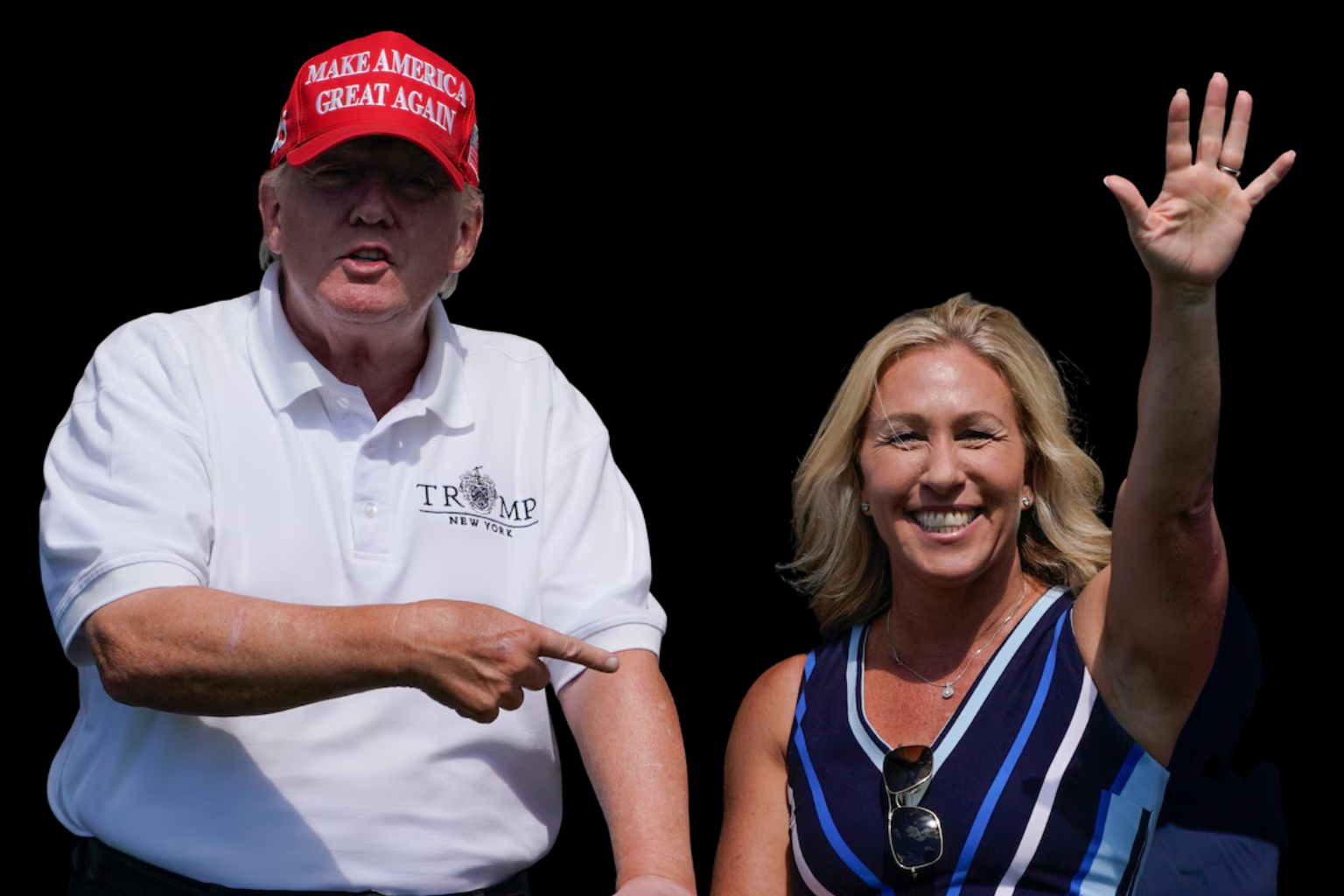
A prominent figure once closely aligned with former President Donald Trump has publicly expressed growing concern about Trump’s recent behavior and messaging, describing it as noticeably more erratic than in the past. The remarks highlight a widening divide among some of Trump’s former supporters as tensions rise over U.S. foreign policy and political messaging ahead of upcoming elections.
In a recently shared video on social media platform X, Alex Jones, a far-right media personality who has long backed Trump, sharply criticized the president’s tone and language in a message directed at Iran. His comments came shortly after Trump issued a strongly worded statement warning Iranian leadership about reopening the Strait of Hormuz, a critical global shipping route for oil and gas.
Trump’s message, posted on his Truth Social platform during Easter, included aggressive language and direct threats. He warned of potential military action targeting infrastructure such as power plants and bridges if Iran failed to comply. The statement quickly drew attention for both its content and tone, especially given the sensitive geopolitical situation.
Responding to the message, Jones said the rhetoric did not reflect the Trump he had previously supported. While acknowledging that strong language is sometimes used in political campaigns, he argued that such communication during moments involving potential military conflict is unusual and concerning. He emphasized that the tone of the message could have serious implications, both politically and diplomatically.
Jones described the situation as problematic from a public relations standpoint, stating that presidential communication during times of conflict has traditionally been more measured. He further claimed that Trump’s recent speeches and statements appear less coherent, adding to his concern that the president’s behavior has become unpredictable.
The criticism did not stop at messaging alone. Jones also raised concerns about Trump’s overall condition, suggesting there may be changes in both his physical and mental well-being. He compared the situation to personal experiences with cognitive decline in his own family, stating that Trump does not seem like the same person he was previously. According to Jones, this shift is serious and should not be dismissed lightly.
He also expressed hope that Trump might reconsider his current approach to the conflict and avoid deeper military involvement before the 2026 midterm elections. Jones indicated that he believes there is still time to change direction and reduce tensions.
These comments come at a time when the United States is navigating a complex and evolving situation involving Iran. Trump has indicated that there may still be a possibility of reaching a ceasefire agreement, signaling some level of optimism. However, Iranian officials have warned that any U.S. military action targeting key infrastructure would lead to a strong and expanded response, raising concerns about further escalation in the region.
The White House responded firmly to Jones’ claims, dismissing them as unfounded and politically motivated. In an official statement, a spokesperson described the accusations as false and suggested they were being made to gain attention. The administration maintained that Trump remains in strong health and continues to actively lead efforts on both domestic and international issues.
The exchange reflects a broader shift within certain political circles, where previously loyal supporters are now openly questioning leadership decisions and communication style. As global tensions remain high and the political landscape continues to evolve, such internal criticism may play a role in shaping public perception and future political dynamics.
This development adds another layer to the ongoing discussion around leadership, communication, and decision-making at the highest levels of government. With the 2026 midterm elections approaching, reactions from both supporters and critics are likely to intensify, making this an issue to watch closely in the coming months.
Sources
Newsweek
Official White House Statement