
Pentagon Says Duration of Iran Conflict Will Be Decided by President Trump
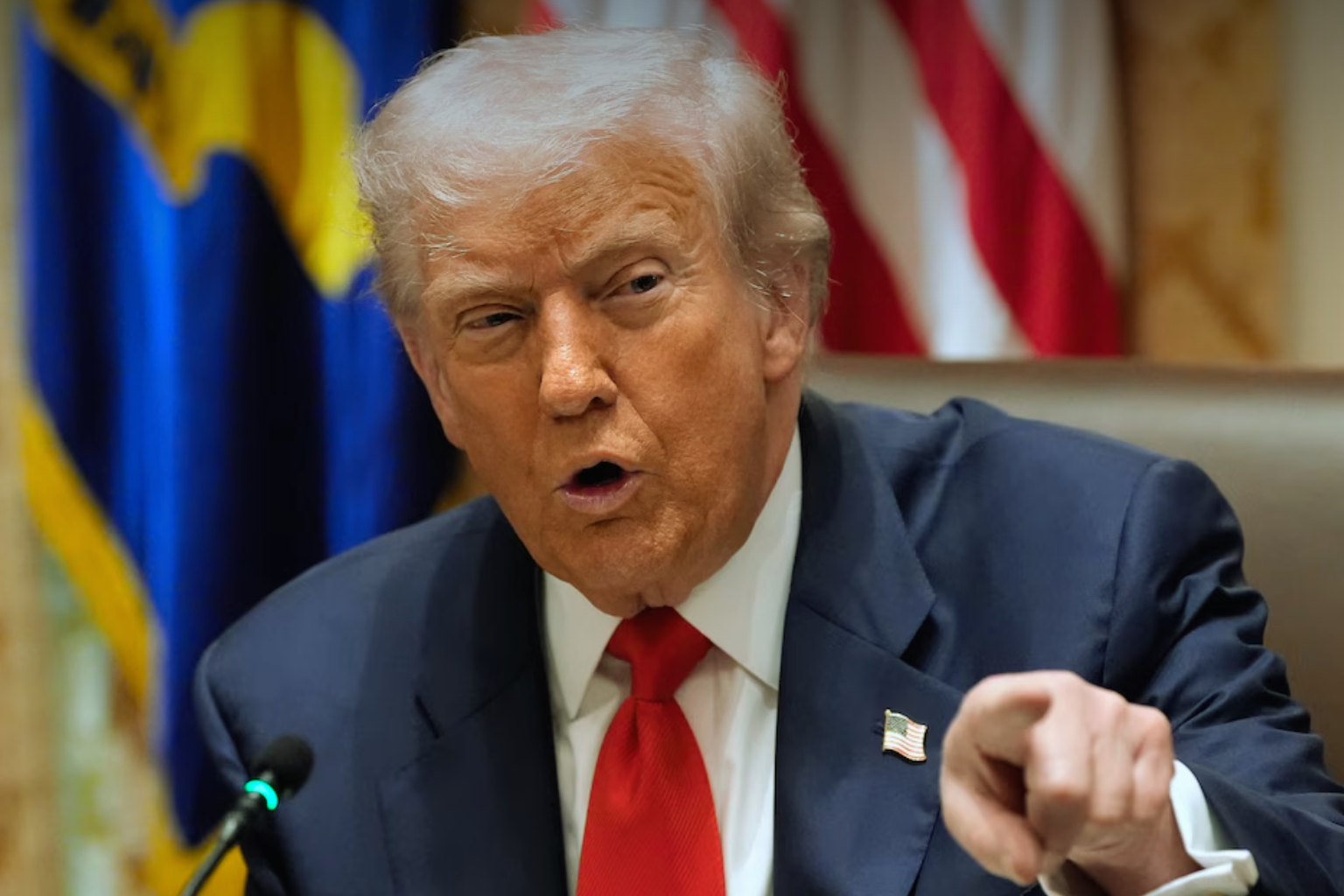
U.S. Defense Secretary Pete Hegseth has declined to specify a date for the end of the Iran dispute, saying President Donald Trump will decide. He spoke at a press briefing as US concerns increase over the military campaign’s length, expense, and threats to American troops.
Ten days ago, the US and Israel launched a massive military attack against Iran. Since February 28, the operation has killed at least seven U.S. service men, according to the briefing. The regional scenario changed dramatically when Iran’s Supreme Leader, Ayatollah Ali Khamenei, died in the fight.
American and Israeli strikes inside Iran have increased as the campaign continues. Hegseth warned reporters that the current phase of the campaign may involve the most aggressive military strikes. The briefing day may have been the most severe day of strikes across Iranian territory since the campaign began.
Despite the rise in threats, the defense secretary said the Pentagon will not specify the mission’s duration. He explained that the military’s responsibility is to carry out the president’s goals, while the commander in chief decides when to cease the operation.
Hegseth said the US military is in a good strategic position that gives the president several options. He said officials purposefully ignored a deadline from the start of the campaign. He said the goal has been to meet the president’s mission goals.
The operation is not meant to be an open-ended conflict, Hegseth said. He said the administration won’t let the mission expand beyond its goals. The defense secretary said the president gave the military a mission and the military must carry it out without escalating the conflict.
Hegseth remarked he couldn’t tell whether the conflict was early, halfway, or ending due to this framework. He reiterated that only the president may decide when goals are reached and military measures should end.
The Pentagon has not discussed a schedule, but recent administration pronouncements have raised questions about how long the operation could last. Government authorities have mixed messages about whether the fight is over or just beginning.
President Trump addressed the matter earlier this week while speaking to reporters from his Doral golf club. He implied in that interview that the military assault was nearly over. At the same time, the Department of Defense posted on social media that the US had only just began fighting.
The president later addressed these competing signals to House Republican caucus members. Trump said both sides may be right depending on the scenario. He added that while the military phase may seem complete, the bigger endeavor to transform the region may still be early.
In his remarks, the president called the operation’s achievements a great US triumph. He said Iran no longer has naval capabilities, air power, anti-aircraft defenses, radar systems, telecommunications networks, or centralized command due to massive military infrastructure destruction.
Trump said more action may be needed despite those developments. He said the US may continue operations depending on the environment and whether more steps are needed to achieve mission goals.
Lack of a timescale has raised concerns about the conflict’s long-term effects in the US. Lawmakers and analysts worry about growing gas prices, military operations’ cost, and American service members’ safety in the region.
Pentagon officials say the military effort is focused on the president’s goals for now. Defense Secretary Hegseth says President Trump will decide the conflict’s pace, direction, and end.
The White House and Department of Defense will update the mission and U.S. military actions in the region as the situation changes.
Sources
U.S. Department of Defense
The White House
CBS News