
New Jersey Considers Replacing E‑ZPass Transponders With Low‑Cost Sticker Tags to Cut Millions in Expenses
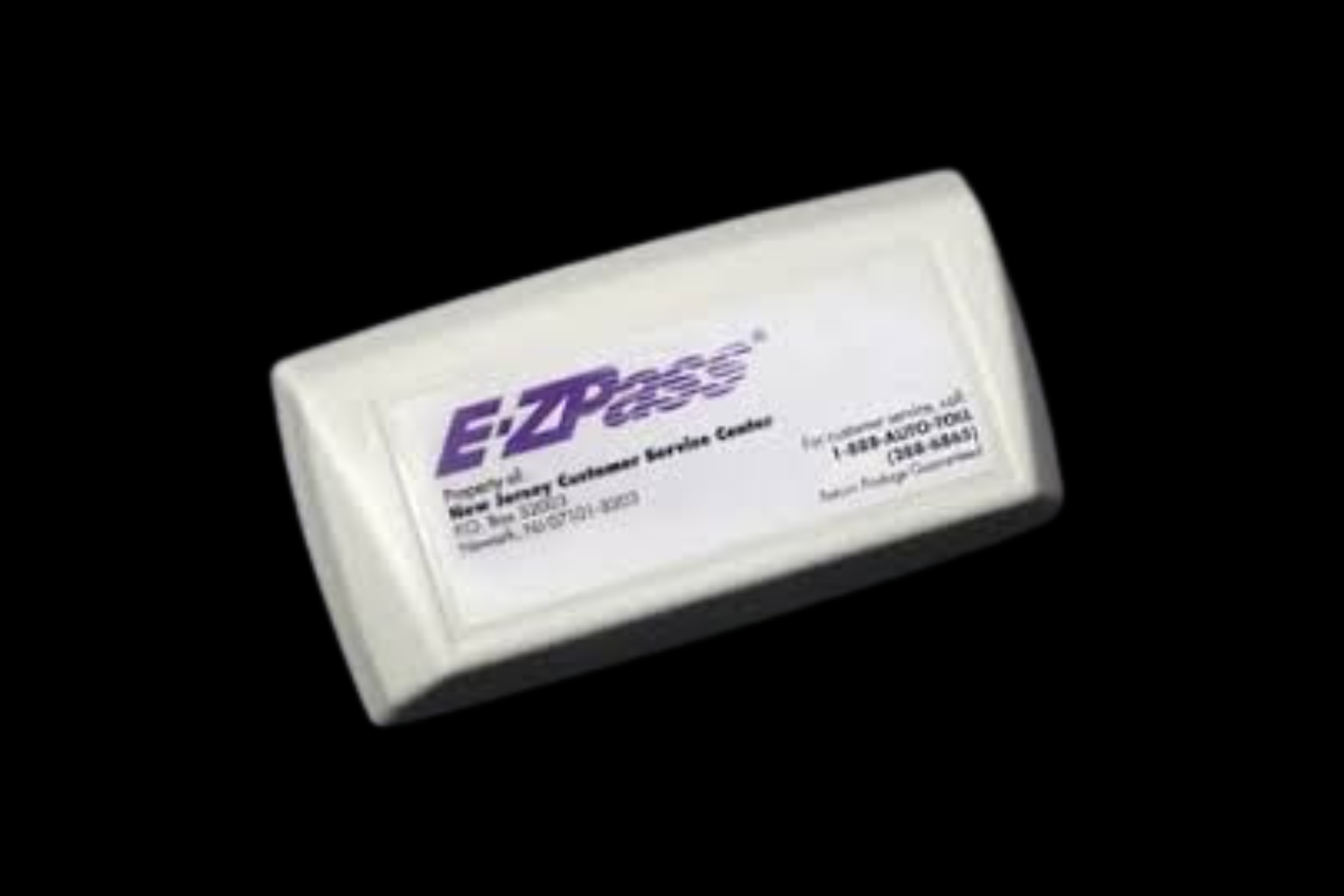
New Jersey drivers may soon notice a modest but significant toll payment adjustment. The traditional white plastic E-ZPass transponders on windshields may be replaced by thin sticker tags. The innovative Jersey Turnpike Authority is testing this innovative technology, which might save millions of dollars over time.
The authority, which runs the New Jersey Turnpike and Garden State Parkway, will place the new sticker tags on its fleet vehicles as a test. E-ZPass customers may receive stickers later this year if the testing phase indicates no operational issues, according to spokeswoman Tom Feeney. No launch date has been set, but officials say it might happen by year’s end.
The proposed sticker tags differ from present transponders in one simple way. Batteries power today’s little plastic electronics. Over time, batteries die and devices need replacement. Transponder batteries typically last 8–10 years. Replacement expenses can be high when many units expire simultaneously. Through the New Jersey E-ZPass Consortium, the Turnpike Authority paid $8.4 million in 2022 to replace 920,000 transponders with dead batteries.
The new battery-free sticker tags eliminate that price. They use embedded RFID chips to connect with overhead toll gantries as vehicles pass. This system records tolls electronically without a vehicle-powered device. By removing the battery, officials hope to save taxpayers and the agency millions in maintenance and replacement costs.
The New Jersey E-ZPass Consortium assists many state and regional tolling organizations. Besides the Turnpike and Parkway, it serves the Atlantic City Expressway, Delaware River Port Authority, Delaware River Joint Toll Bridge Commission, Cape May County Bridge Commission, Burlington County Bridge Commission, and Delaware River and Bay Authority. A change in technology could impact many drivers who use E-ZPass for daily commuting and travel.
Other states have switched to sticker-based tolls. Recently, Massachusetts implemented the modification on March 1. The Massachusetts Department of Transportation says overhead toll equipment reads RFID chips in sticker transponders. Stickers cost 55 cents, far less than transponders. Massachusetts drivers get the sticker for free when they replace their device.
In addition to cost savings, the sticker approach may facilitate driver installation. To scan properly without blocking the driver’s view, current transponders must be carefully installed on the windshield, often near the rearview mirror. Also needs sticky mounting strips. Instead of bulky plastic housing, the new sticker design is lower-profile and stays in place.
New Jersey officials say the transition is still testing. Customers will keep their transponders until a wider rollout is announced. The authority uses a careful, data-driven approach to preserve toll system reliability and cut costs.
The switch from plastic transponders to small RFID stickers would be one of New Jersey’s most noticeable toll collecting system changes in years. Millions of drivers use E-ZPass daily, making the little change substantial in convenience and long-term savings for the state’s transportation infrastructure.
Sources
New Jersey Turnpike Authority
Massachusetts Department of Transportation
New Jersey E‑ZPass Consortium