Trump Signals Caution on Military Action as Minnesota Protests Continue
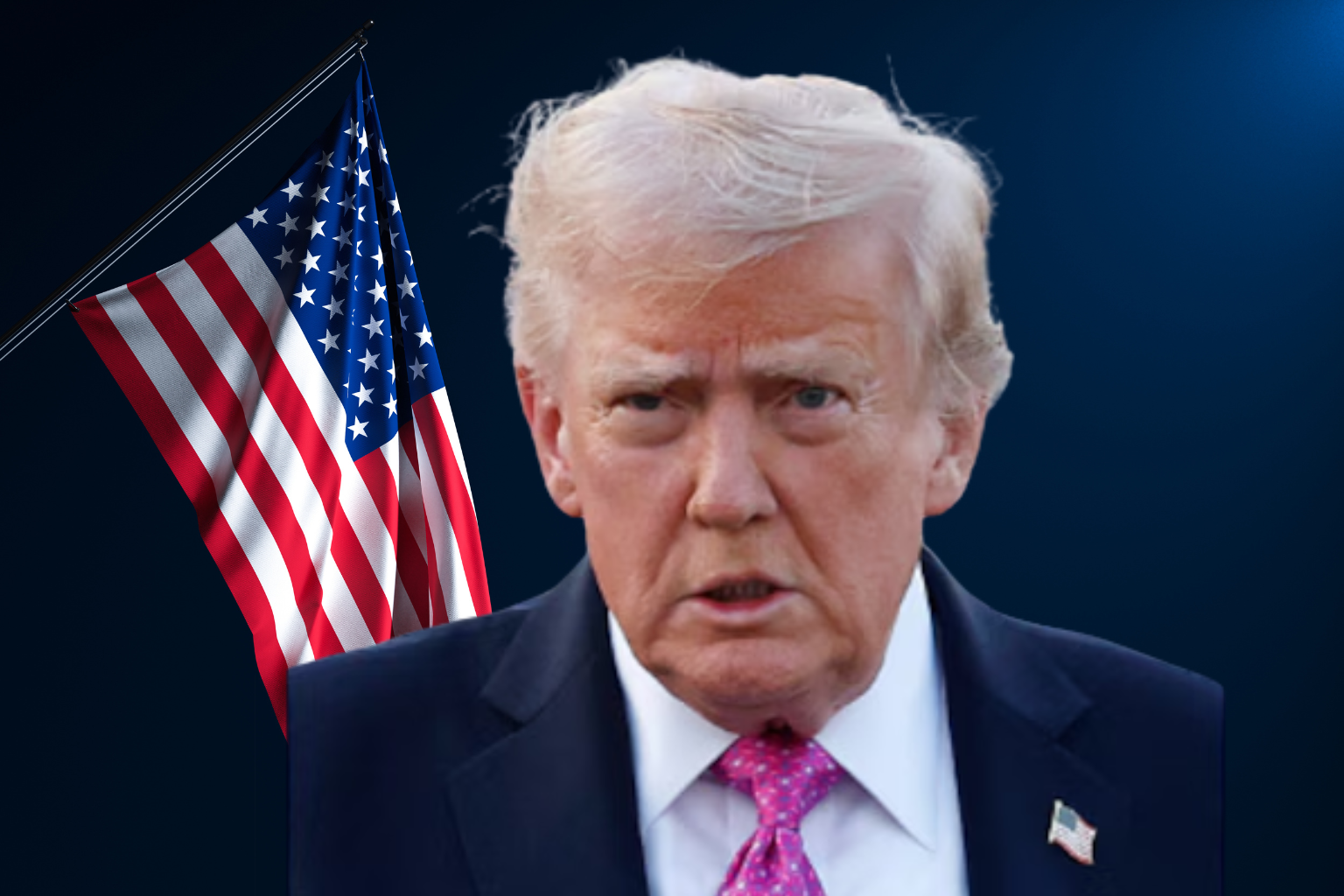
While protests in Minneapolis continue, President Donald Trump signaled Friday that invoking the Insurrection Act is not necessary to deploy U.S. military to Minnesota. One day after openly warning that federal military force may restore state order, his words changed tone.
Protests after a federal immigration officer shot 37-year-old Renee Good last week have kept Minnesota in the national spotlight. The Minneapolis-based protests have raised questions about public safety, federal power, and law enforcement amid civil unrest. Trump warned Thursday that he could trigger the Insurrection Act if state officials failed to stop the protesters’ rising lawlessness.
The president told reporters on Friday before boarding Marine One to be more controlled. He accepted the Insurrection Act’s power but said conditions don’t warrant its deployment. Trump said the provision is available if situations worsen, but there is no reason to use it now.
This contradicted his social media criticism of Minnesota’s political leadership and warning that federal intervention would be fast if protests continued. In that earlier statement, the demonstrations were portrayed as a severe threat to law enforcement, notably ICE, and as warranting unprecedented federal response.
The rarely utilized Insurrection Act empowers a president to use the military or state National Guard to enforce domestic law. It has been used over two dozen times in American history, although usually in extreme situations. The most recent incident was 1992, when President George H.W. Bush authorized military intervention in Los Angeles rioting at state and local requests.
Trump has mentioned the Insurrection Act during national instability. His 2020 threat to deploy it during Minneapolis protests after George Floyd’s death was never carried out. He has also considered invoking the statute to quell immigration enforcement protests in recent months.
Friday’s comments suggest the government is monitoring the situation rather than escalating it militarily. The president acknowledged that federal forces may not be needed but maintained a firm law and order attitude.
State and municipal public safety management and whether tensions relax in the next days remain in focus as protests continue. Trump’s recent speech appears to leave the door open for future action but signaling a halt on immediate federal participation, reflecting the high risks and sensitivity of military force within U.S. borders.
Sources:
The White House
U.S. Immigration and Customs Enforcement
U.S. Department of Justice