Trump’s Quiet Confusion During VP Talks Reveals Marco Rubio’s Unusual Strategy
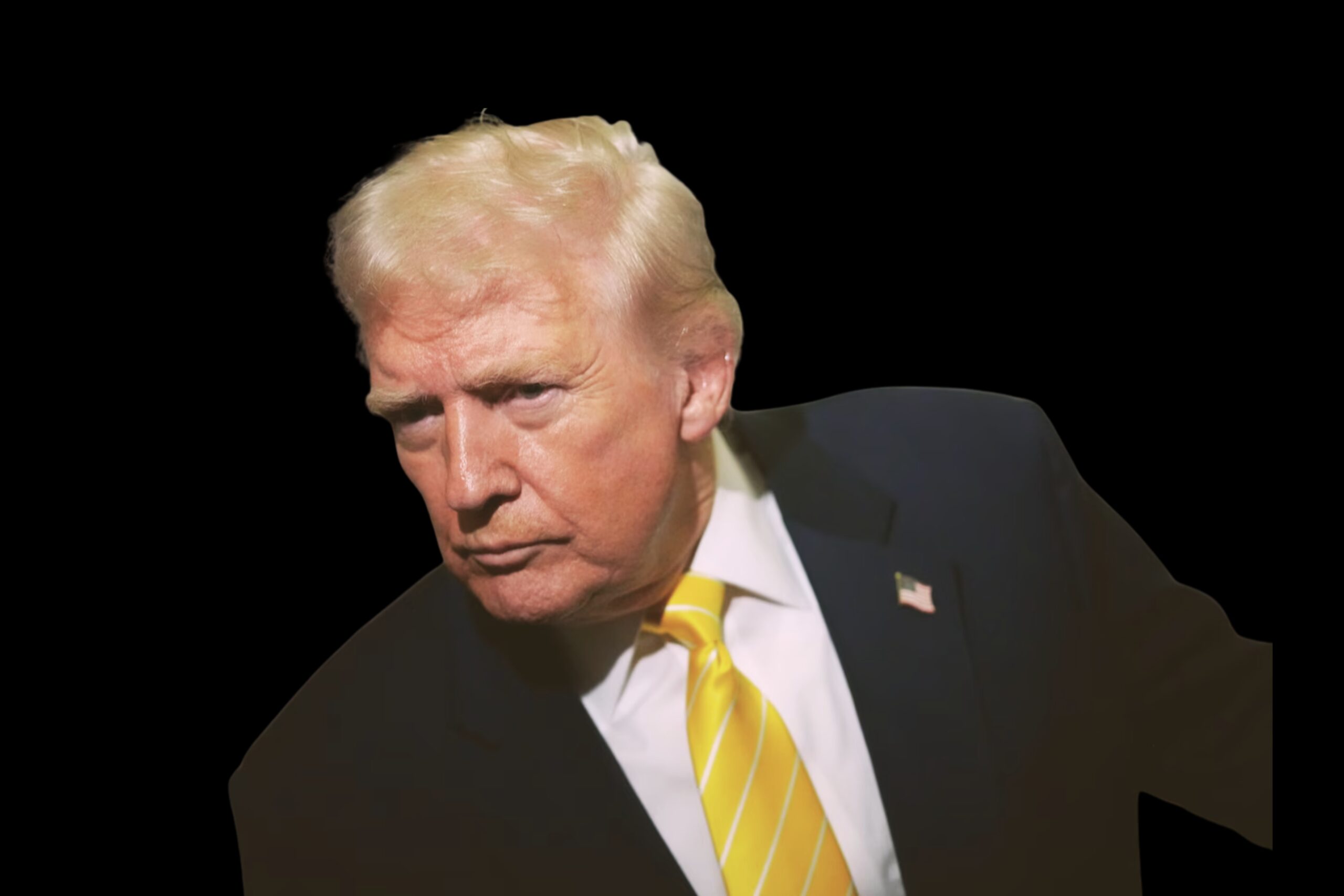
Trump assessed numerous prominent Republican vice presidential contenders in 2024, but one stood out for a surprise reason. Marco Rubio’s laziness surprised Trump and his associates.
Trump was worried by Rubio’s quiet while considering his choices. Trump expected ticket buyers to communicate and demonstrate interest, sources claimed. Rubio’s caution confused Trump, but for good reason.
Rubio avoided campaigning and personal calls despite being speculated as Trump’s running mate. Trump and Rubio disliked this low-key style. Donald Trump disqualified Rubio for his lack of direct engagement, despite Republican backing.
About mid-January 2024, Trump named Ohio Senator JD Vance his vice president. Trump was interested despite Rubio’s misgivings. Trump wondered if Rubio would have done better while Vance struggled campaigning.
Trump associates said Rubio gets along with politicians and Washington elite. They say Trump values that. Trump praised Rubio’s politics after rejecting him for vice president.
Vice presidential choice didn’t weaken Rubio. After Trump entered office, it rose. Former Secretary of State Rubio became acting national security adviser, USAID director, and archivist. He oversaw international policy and national security after expanding his responsibility.
Discussing Rubio’s future goals makes sense given his elevated status. As the 2028 presidential election approaches, Rubio routinely outperforms Vance in job approval! Rubio’s popularity shows he may sway Republicans, but Vance is still the leading candidate to carry Trump’s legacy.
Trump’s public backing for both fuels that speculation. He called Vance and Rubio political leaders. Despite Rubio’s 2024 ticket uncertainty, Trump trusts him.
Rubio’s vice presidential bid suggests politics can be as stylish as policy. Though it cost him a historic opportunity, his stillness set him up for a big role in the administration and kept him in the Republican Party leadership discourse.
Sources:
U.S. Department of State
Official public statements from the Office of the President of the United States