Giants’ Preseason Opener Puts Several Roster Decisions Under the Microscope
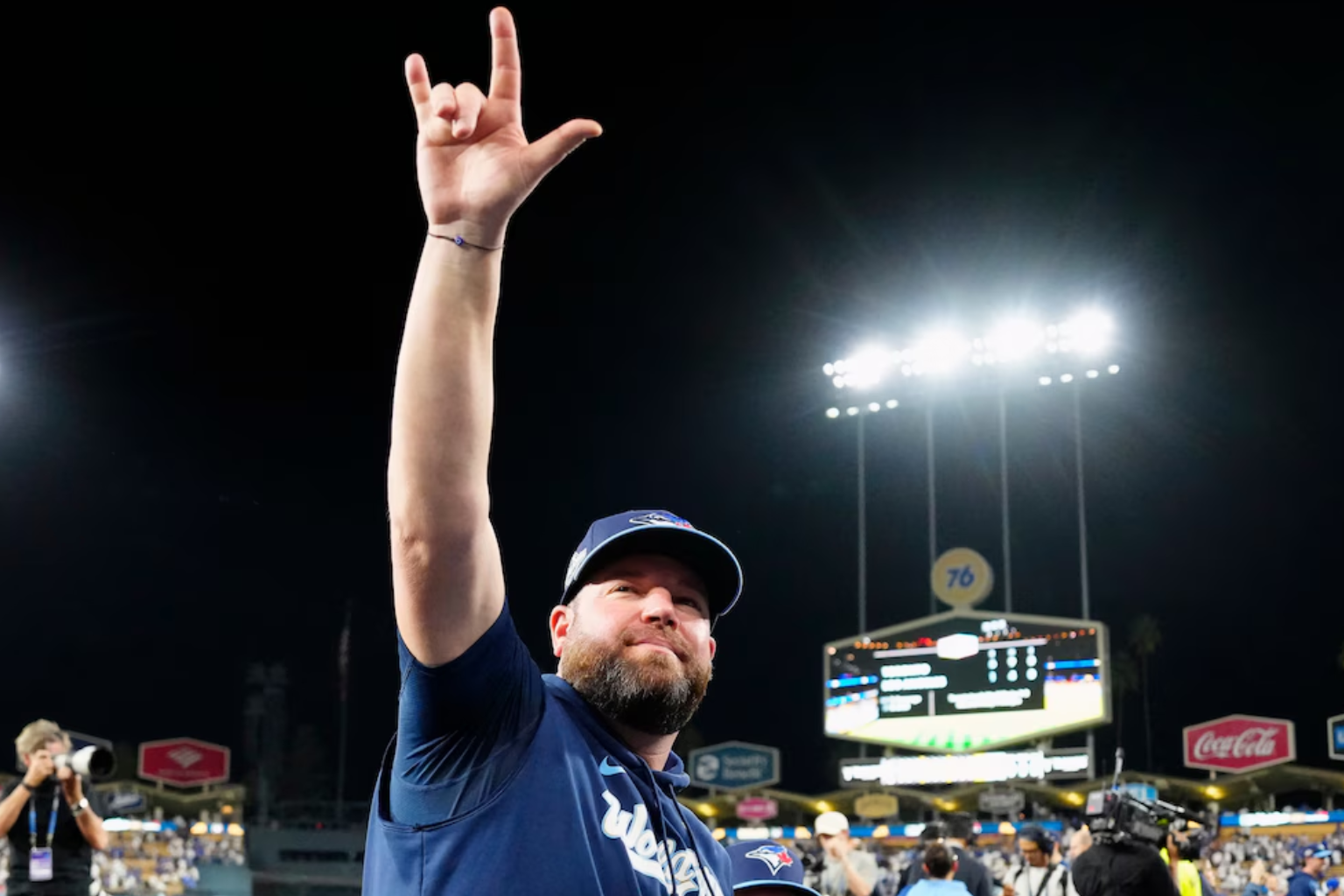
The New York Giants are approaching their first preseason game under head coach John Harbaugh with several roster questions still waiting to be answered. The Giants will host the Minnesota Vikings on Saturday, Aug. 15, at MetLife Stadium, giving players competing for starting roles and roster spots an important opportunity to make their case. The preseason opener is scheduled for 1 p.m. ET.
While preseason results rarely tell the full story of an NFL season, these games can be especially valuable for a new coaching staff. Harbaugh and his staff have spent training camp evaluating players in a new system, and the first game provides another setting to compare players when the competition becomes more game-like.
One of the biggest areas to watch is the wide receiver room. Malik Nabers remains at the centre of the Giants’ offensive outlook, although his recovery continues to be managed carefully. Recent reports indicate that the star receiver could take another step toward team work soon, but his availability for the regular-season opener against Dallas remains something the Giants must monitor. The regular season begins Sept. 13.
Behind Nabers, the competition has become more interesting. Darius Slayton entered camp as an established veteran, while Darnell Mooney and rookie Malachi Fields have created additional competition for opportunities on the outside. Mooney has already drawn positive attention from the Giants’ coaching staff after receiving increased opportunities during the offseason. The Giants themselves identified Mooney as one of the veterans who benefited from increased responsibility while injuries affected the receiver group.
Fields is another player worth watching against Minnesota. The rookie has received opportunities throughout the offseason and has shown the physical tools that made him an intriguing addition to the roster. His progress could have a direct impact on how the Giants distribute snaps among their outside receivers.
The slot receiver role also has a different look this year. Calvin Austin III is expected to bring speed to the position, while tight end Isaiah Likely gives the offence another player capable of creating mismatches from inside alignments. The Giants have several ways to construct their passing attack, which makes the preseason particularly useful for determining how those pieces fit together.
At right guard, there appears to be considerably less uncertainty. Rookie Francis Mauigoa has been given an opportunity to step into the starting role after the Giants moved on from veteran Greg Van Roten. The Giants previously highlighted the change as one of the major adjustments along their offensive line entering the 2026 season.
That makes the preseason opener less about deciding who starts at right guard and more about seeing how quickly Mauigoa adapts to NFL game conditions. A young offensive lineman can look comfortable in practice but face a different challenge when defensive players are attacking with unfamiliar pressures and game-speed movement.
The kicking competition could be one of the clearest battles to watch. Dominic Zvada and Ben Sauls are competing for the job, and Zvada has generated attention with his distance and consistency during camp. The Giants have featured both kickers in their offseason coverage, making this a legitimate competition rather than a simple camp formality.
Zvada’s leg strength gives him an obvious advantage when the Giants need to consider longer field-goal attempts, but preseason performance will matter. Kickers are evaluated not only on distance but also on consistency, timing, operation with the snapper and holder, and how they respond when the situation carries more pressure.
The Giants’ cornerback situation is considerably more complicated.
The team has several players competing for opportunities on the outside, including second-round rookie Colton Hood, Paulson Adebo, Deonte Banks and Greg Newsome II. The Giants’ own offseason programming has placed several of those players at the centre of the cornerback discussion, reflecting the amount of competition in the group.
Injuries have made the situation harder to evaluate. Recent training camp reports indicated that Adebo, Newsome and slot corner Dru Phillips were working through injuries rather than taking every repetition normally available to them. That creates additional opportunities for other defensive backs to show the coaching staff what they can do.
For Hood, the preseason opener could be particularly important. As a rookie, he has the chance to make an early impression on a coaching staff that is still determining how its secondary should be organised. The Giants have already featured Hood in offseason coverage and highlighted his ability to compete for a role in the defence.
Dru Phillips’ health is another factor. If he is able to return to his expected role, he could remain the leading option in the slot. If not, Ar’Darius Washington provides the Giants with another defensive back who can offer versatility and potentially move between safety and slot responsibilities.
The edge-rusher group is less of a traditional position battle but still deserves attention. Brian Burns remains an important piece of the front, while Abdul Carter and Kayvon Thibodeaux are expected to see significant work. The Giants have publicly featured both Burns and Thibodeaux among their outside linebackers, while Carter has also been a prominent part of the team’s off-season programme.
For Carter, the preseason is another chance to show how quickly he can translate his athletic ability into consistent NFL production. For Thibodeaux, the bigger question is how he fits into the team’s defensive plans over the longer term. Preseason games can provide clues about usage, but they should not be treated as proof of future personnel decisions.
The first game also gives the Giants an early look at how their new coaching structure translates from practice to an actual game. Harbaugh’s arrival has brought a new approach, while the offensive and defensive staffs continue to establish how they want the roster to function.
That is why the Minnesota game matters even if the final score does not. The Giants are not simply preparing for another preseason contest. They are using these games to gather information before the regular-season roster takes shape.
For players already viewed as likely starters, the goal will be to demonstrate readiness and avoid unnecessary mistakes. For younger players and veterans competing for roles, every meaningful snap can become part of the coaching staff’s evaluation.
The Giants’ preseason schedule continues with a road game against the Miami Dolphins on Aug. 22 before the team closes the exhibition schedule against the New York Jets on Aug. 28. The regular season then begins at home against the Dallas Cowboys on Sept. 13.
As Saturday approaches, the most important story may not be who scores the most points. It will be which players separate themselves from the competition. The receiver rotation, cornerback depth, kicking battle and development of young players such as Mauigoa, Hood and Fields could all provide useful clues about the Giants’ roster plans.
For a team beginning a new era under Harbaugh, that information may be more valuable than the preseason scoreboard.
Sources
New York Giants, official 2026 schedule and training camp information.
New York Giants, official offseason and training camp reports.
New York Giants, official player and position-group coverage.
National Football League, official 2026 schedule information.
Minnesota Vikings, official 2026 schedule and preseason game information.