Rising Floodwater Traps Two Inside Vehicle During Severe N.J. Storms
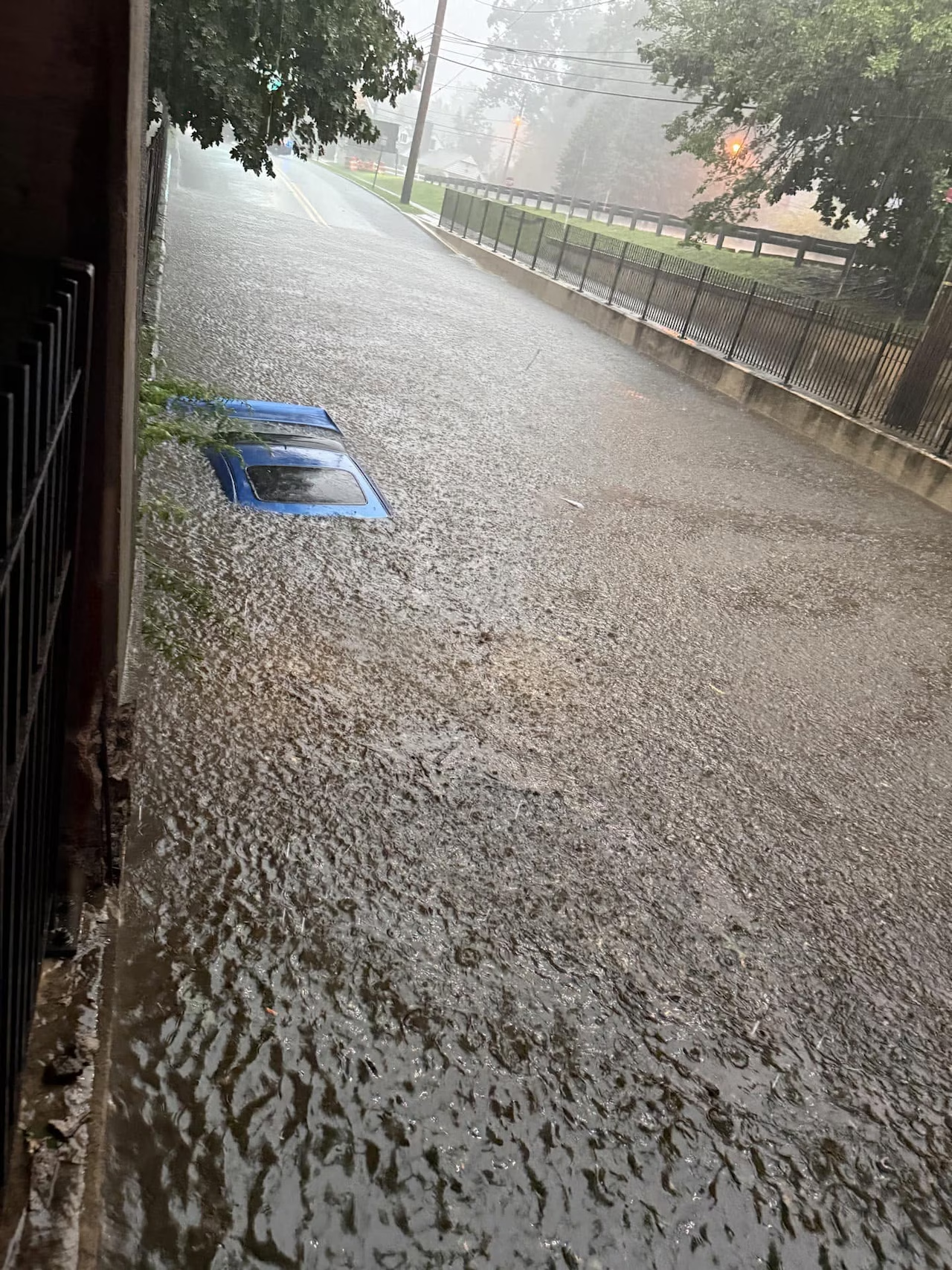
Two people were rescued from a vehicle in Glen Rock, New Jersey, on Friday evening after rapidly rising floodwater surrounded the car during a round of severe thunderstorms across North Jersey.
The incident happened as heavy rain moved through the region on Aug. 7, causing significant flooding on roads and creating dangerous conditions for drivers. In Glen Rock, the situation quickly became serious when water began entering a vehicle with two occupants still inside.
Members of the Glen Rock Volunteer Fire Department responded to the emergency along with Glen Rock police. Rescue personnel entered the floodwater and reached the stranded occupants before helping both people out of the vehicle and to safety.
The vehicle was left heavily surrounded by water after the rescue, illustrating how quickly conditions can deteriorate when intense rainfall overwhelms roads and drainage systems.
The Glen Rock Volunteer Fire Department reported receiving 15 flooding-related calls during the evening. While many flooding incidents can involve blocked roads or standing water, a vehicle becoming trapped in rapidly rising water can turn into a life-threatening emergency within minutes.
The rescue came during a period of unsettled weather across New Jersey. Severe thunderstorms brought heavy rain, strong winds and flooding concerns to several communities in North Jersey. Weather conditions were made more difficult by high humidity and oppressive heat, increasing the overall strain on residents dealing with the storms.
The National Weather Service had warned of the potential for severe thunderstorms across parts of the region, including the possibility of damaging wind gusts and flooding. Its guidance has repeatedly emphasised the danger of driving through flooded roadways because water can make a road impassable long before the depth appears obvious to a driver.
Floodwater can also move faster than it looks from inside a vehicle. Once water begins entering a car, the vehicle can lose traction, become disabled or be pushed by moving water. In some situations, floodwater can rise around a vehicle so quickly that occupants have very little time to react.
That danger is especially important on roads that commonly collect water during intense rainfall. Stormwater can accumulate rapidly in low-lying areas, underpasses and poorly drained streets. Drivers may also have difficulty judging the depth of water at night or during heavy rain because the surface of the roadway may no longer be visible.
The Glen Rock rescue serves as another reminder that a road covered by floodwater should not be treated as a normal driving route. Even if another vehicle appears to have crossed safely, conditions can change quickly as additional rainfall enters the area.
The National Weather Service uses the phrase “Turn Around, Don’t Drown” to warn motorists about flooded roads. The basic message is simple: drivers should never attempt to cross a flooded roadway when they cannot determine whether the road is safe.
The danger is not limited to deep water. Moving water can weaken road surfaces, hide debris and create unexpected hazards beneath the surface. A vehicle can also stall after water reaches critical components, leaving occupants stranded in a location that may become increasingly dangerous.
Friday’s storms also produced strong wind threats in the broader region. Severe thunderstorms can create multiple hazards at the same time, including intense rainfall, flash flooding, lightning, fallen trees and downed power lines. For residents, that combination can make even short trips particularly risky.
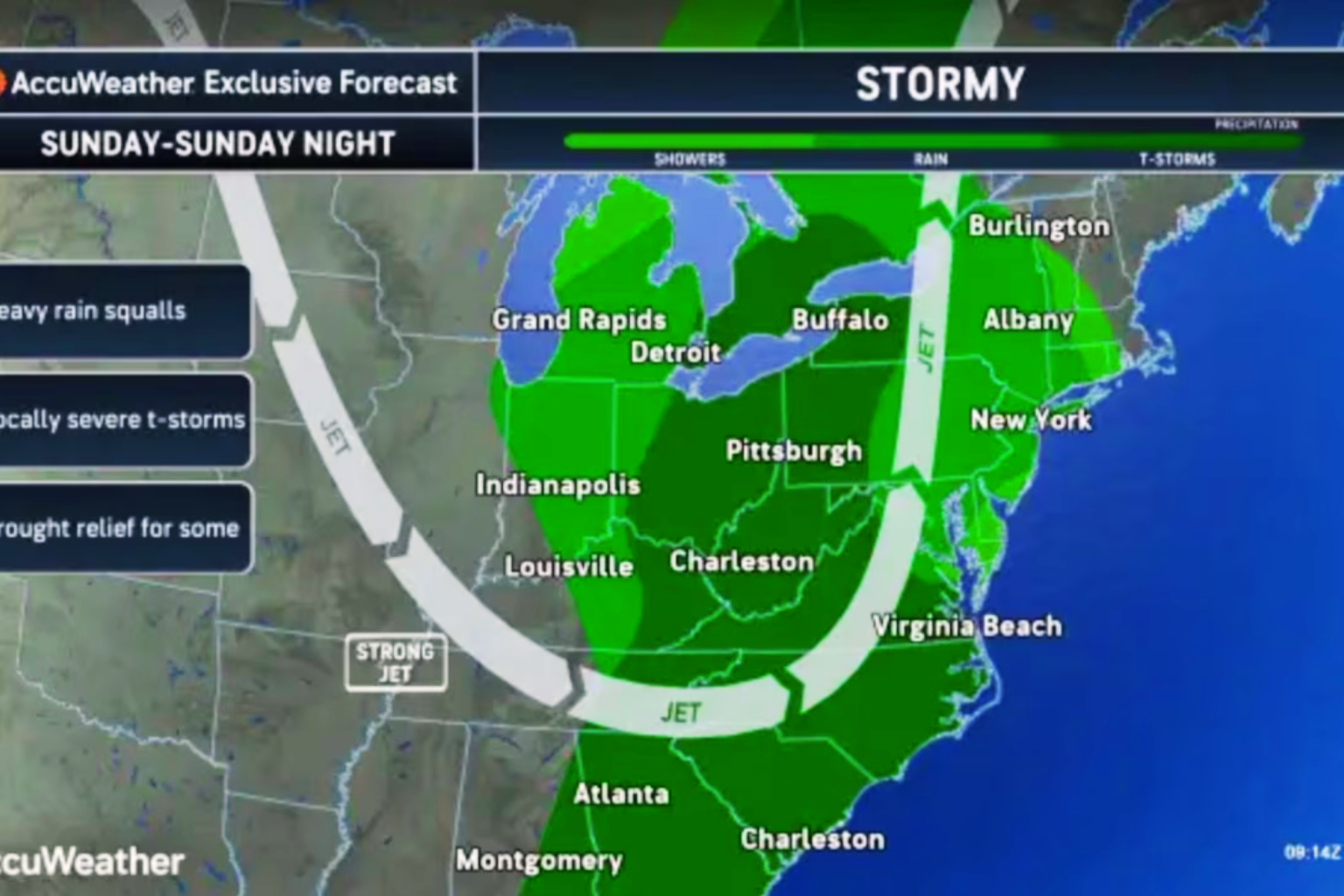
The storm activity was part of a broader pattern of unsettled summer weather affecting the Northeast. Hot and humid conditions can help fuel thunderstorms, while intense rainfall over a short period can overwhelm local drainage systems and produce street flooding.
Glen Rock’s emergency response also highlighted the role of local first responders during sudden weather emergencies. Firefighters and police officers may be called to help motorists, protect flooded areas and respond to other storm-related emergencies while weather conditions are still changing.
The local fire department also used the incident to highlight the importance of community involvement. As a volunteer organisation, the department encouraged residents interested in helping their community to learn more about becoming volunteers.
For residents across North Jersey, the most important lesson from Friday night’s rescue is the speed at which flooding can become dangerous. A roadway that appears passable at the beginning of a storm can become hazardous after only a short period of intense rain.
Drivers who encounter standing or moving water should avoid taking chances and find another route whenever possible. If authorities have closed a road because of flooding, motorists should not attempt to bypass the closure.
Additional thunderstorms and flooding threats were possible as the unsettled weather pattern continued into Saturday. Residents were advised to monitor official weather information and remain alert for changing conditions, particularly during periods of heavy rain.
The Glen Rock rescue ended safely for the two people inside the vehicle, but the incident demonstrates why flooded roads remain one of the most serious hazards associated with severe thunderstorms. When water begins rising around a vehicle, waiting to see whether conditions improve can leave occupants with fewer options. Moving away from floodwater and following emergency instructions can make the difference in a rapidly developing situation.
Sources
National Weather Service — National Oceanic and Atmospheric Administration
National Weather Service New York, NY
National Weather Service Storm Prediction Center
Glen Rock Volunteer Fire Department
Glen Rock Police Department