New Jersey Faces Rising Heat and Humidity With Spotty Storm Chances Before Weekend

New Jersey is heading into several days of hot and increasingly humid weather, with only limited opportunities for scattered thunderstorms to provide temporary relief. Weather conditions are expected to become more uncomfortable as the week progresses, and residents should prepare for high temperatures, sticky air, and the possibility of isolated afternoon and evening storms through the upcoming weekend.
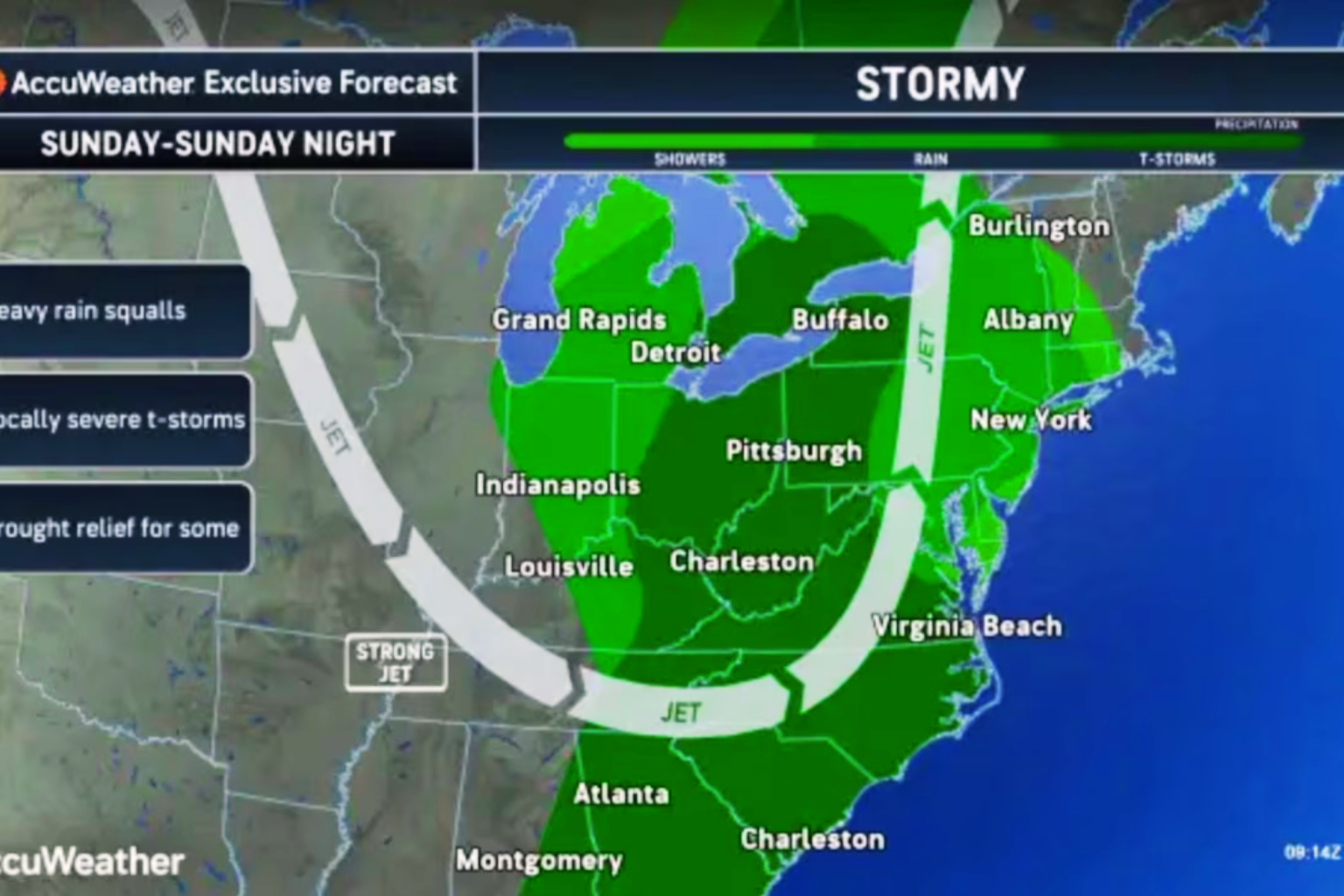
Forecasters say a few isolated thunderstorms could develop Tuesday evening across parts of the state. While many communities are likely to stay dry, some areas could see brief downpours, gusty winds, and lightning. Because these storms will be scattered, rainfall will vary greatly from one location to another, with some neighborhoods receiving little or no rain.
After Tuesday, the overall weather pattern is expected to shift toward a prolonged stretch of summer heat. Temperatures will continue climbing through the second half of the week, while humidity levels remain high. This combination will make outdoor conditions feel even warmer than the actual air temperature, especially during the afternoon hours.
Wednesday is expected to bring another chance of isolated thunderstorms, mainly during the afternoon and early evening as daytime heating creates unstable conditions in the atmosphere. Similar weather is expected to continue into Thursday and Friday, with most storms remaining localized rather than widespread.
By the weekend, New Jersey is expected to experience some of the hottest weather seen in recent weeks. High temperatures are forecast to reach the upper 80s to lower 90s in many locations. When combined with elevated humidity, heat index values could climb several degrees higher, making it feel significantly hotter.
The uncomfortable conditions may increase the risk of heat-related illnesses, particularly for older adults, young children, people with chronic medical conditions, and anyone spending extended periods outdoors. Health experts generally recommend drinking plenty of water, wearing lightweight clothing, taking breaks in shaded or air-conditioned areas, and avoiding strenuous outdoor activities during the hottest part of the day.
Even though thunderstorms are possible on several afternoons, they are not expected to provide widespread cooling. Instead, any storm that develops will likely be short-lived but could produce heavy rain, frequent lightning, and locally gusty winds before quickly moving away. Residents planning outdoor events should monitor local weather forecasts, as conditions can change rapidly when isolated storms develop.
Travelers may also encounter brief weather-related disruptions during periods of heavier rainfall. Reduced visibility, water collecting on roadways, and sudden wind gusts are common during summer thunderstorms. Motorists are encouraged to slow down during heavy rain and remain alert for changing road conditions.
Meteorologists note that this weather pattern is typical for early August, when warm temperatures and abundant moisture in the atmosphere often lead to scattered afternoon thunderstorms. While these storms are generally not expected to become severe across most of the state, localized impacts remain possible wherever stronger storm cells develop.
The extended stretch of heat and humidity is expected to continue through the weekend, with only periodic chances for isolated thunderstorms. Although not everyone will experience rainfall, nearly all residents will notice the return of classic midsummer conditions, featuring hot afternoons, warm nights, and elevated humidity levels.
People are encouraged to stay informed by checking updated forecasts throughout the week, especially if they have outdoor plans. Local weather conditions can differ significantly across New Jersey, and thunderstorm coverage may shift from day to day depending on atmospheric conditions.
Sources
- National Weather Service (NWS)
- National Oceanic and Atmospheric Administration (NOAA)
- New Jersey Office of Emergency Management (NJOEM)