U.S. Measles Cases Reach Highest Level in Decades as Falling Vaccination Rates Raise Concerns in New Jersey
The United States is experiencing its largest measles outbreak in more than three decades, with health officials warning that declining vaccination rates are allowing a disease once considered eliminated to spread again. The latest national data shows that measles cases have climbed to their highest annual total since 1991, prompting renewed calls from medical experts for eligible families to stay up to date on routine vaccinations.
According to the latest public health figures, more than 2,300 measles cases have been confirmed across the country as of late July 2026. The total has already surpassed last year’s nationwide count, making 2026 the most active year for measles in the United States in over 30 years. While many states have reported outbreaks, New Jersey has recorded only one confirmed case so far this year. However, public health experts say the state remains vulnerable because childhood vaccination coverage has continued to decline.
Medical professionals emphasise that measles is one of the most contagious viral diseases known. It spreads easily through the air when an infected person coughs, sneezes, or even breathes in an enclosed space. The virus can remain in the air for up to two hours after an infected person leaves the area, making it possible for others to become infected without direct contact.
Although the United States declared measles eliminated in 2000 thanks to widespread vaccination efforts, recent years have seen a steady return of the disease. Health officials say one of the main reasons is the growing number of children who are not receiving recommended vaccinations. As immunisation rates fall below the level needed for community protection, outbreaks become more likely whenever the virus is introduced into a community.
Experts explain that maintaining high vaccination coverage is essential for what is known as herd immunity. When enough people are vaccinated, the virus struggles to spread, helping protect infants, individuals with weakened immune systems, and others who cannot safely receive vaccines. Public health agencies generally consider a vaccination rate of about 95% necessary to maintain this protection.
New Jersey is among the states where vaccination levels have slipped below that benchmark. Recent state data shows that fewer than 93% of kindergarten students received the recommended measles, mumps, and rubella (MMR) vaccine during the 2024-2025 school year. That figure has declined compared to previous years and remains below the level considered necessary to prevent community transmission.
The decline is not limited to the MMR vaccine alone. State health records indicate that overall childhood vaccination rates for age-required immunisations have also fallen in recent years. Health officials say this trend increases the risk of outbreaks involving several vaccine-preventable diseases, not just measles.
While New Jersey requires children attending schools and licensed child care facilities to receive the MMR vaccine, state law allows certain medical and religious exemptions. Officials have reported a noticeable increase in religious exemption requests over the past decade, contributing to lower vaccination coverage in some communities.
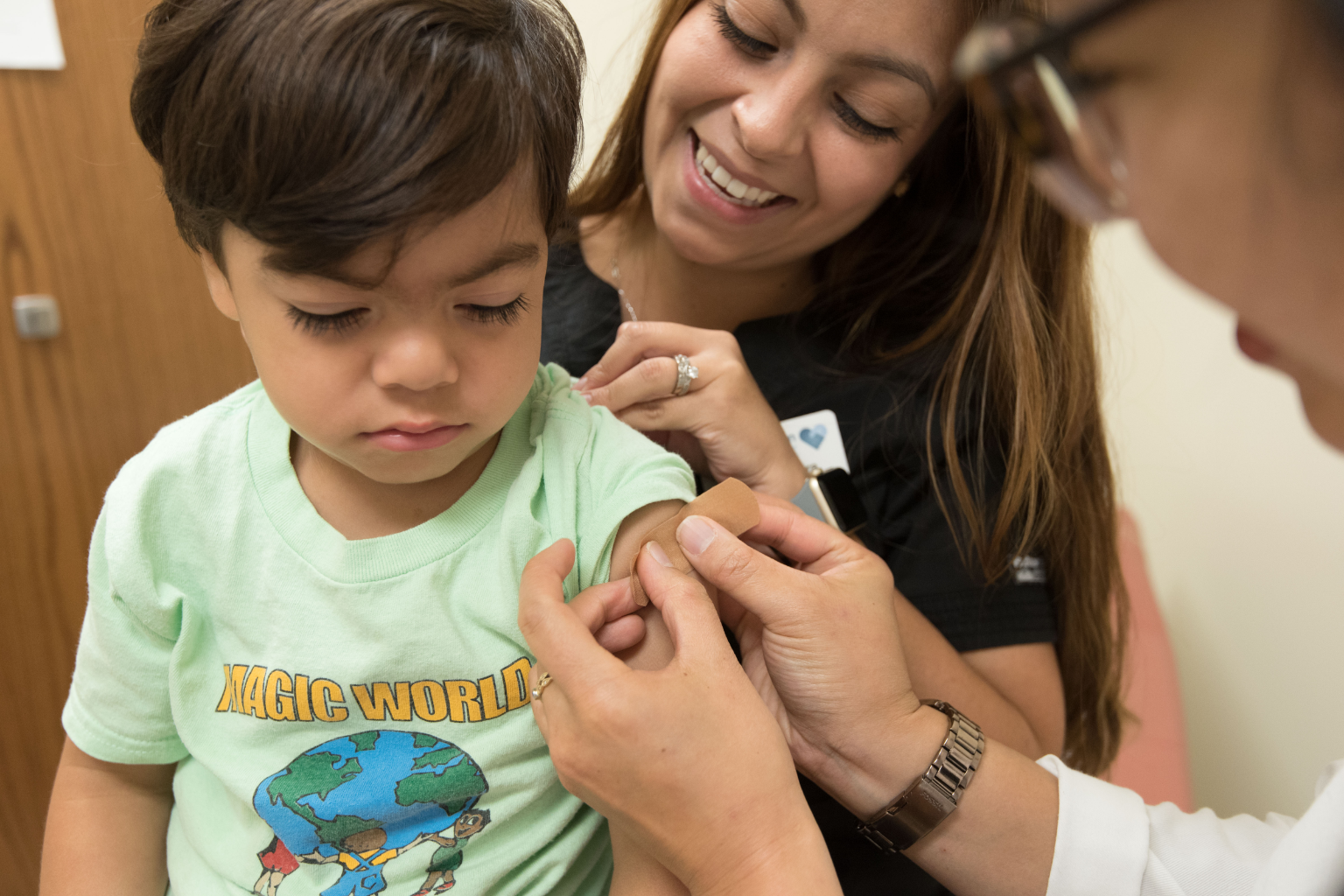
Doctors continue to stress that vaccination remains the most effective protection against measles for people who are medically eligible. The MMR vaccine has been used safely for decades and provides strong protection against measles, mumps, and rubella. Health experts encourage parents to review their children’s vaccination records and consult healthcare providers if they are unsure whether recommended doses have been received.
Not everyone, however, can safely receive the vaccine. Individuals undergoing certain cancer treatments, people taking medications that severely weaken the immune system, and pregnant women are generally advised not to receive the live MMR vaccine. Because these individuals rely on community protection, public health officials encourage family members and close contacts to ensure they are fully vaccinated.
The national immunisation schedule recommends that children receive the first MMR vaccine dose between 12 and 15 months of age, followed by a second dose between 4 and 6 years old. Completing both doses provides the strongest level of protection against infection.
Health experts are also reminding the public to recognise the early signs of measles. Symptoms typically begin with a high fever, cough, runny nose, and red, watery eyes. Several days later, a distinctive red rash usually develops, beginning near the hairline before spreading across the body. A person can spread the virus to others several days before the rash appears and for several days afterward.
Anyone who believes they may have measles should contact a healthcare provider before visiting a medical office or emergency department. Calling ahead allows healthcare facilities to take appropriate infection-control measures and reduce the risk of exposing other patients and healthcare workers.
Although New Jersey has reported only a limited number of cases this year, public health officials continue to monitor the situation closely. Experts say maintaining strong vaccination coverage remains the most reliable way to prevent future outbreaks and protect vulnerable members of the community.
Sources
- U.S. Centers for Disease Control and Prevention (CDC)
- New Jersey Department of Health
- American Medical Association (AMA)