New Jersey’s License Plate Camera Network Raises New Questions About Privacy and Public Safety
New Jersey drivers may not realize it, but many of their daily trips are being recorded by a growing network of automated license plate reader (ALPR) cameras installed on roads, intersections, shopping centers, and public streets across the state. While these systems have become an important tool for law enforcement agencies investigating serious crimes, their rapid expansion has also sparked concerns about privacy, government oversight, and how long personal driving records are being stored.
The cameras are designed to automatically scan the license plate of every passing vehicle. But the technology does much more than simply capture a plate number. Modern systems can also identify a vehicle’s make, model, color, and even distinguishing features such as roof racks, bumper stickers, dents, or other visible characteristics. Each scan is recorded with the exact time, date, and location, creating a detailed travel history for countless drivers.
According to New Jersey’s latest statewide audit, nearly every law enforcement agency in the state now uses some form of automated license plate reader technology. With more than 500 agencies participating, the surveillance network has expanded into one of the largest statewide systems in the country. As a result, anyone who regularly drives through New Jersey has likely had their vehicle scanned multiple times without ever noticing the cameras.
Law enforcement officials argue that these systems have become a valuable investigative resource. Police departments use license plate reader data to recover stolen vehicles, locate missing persons, identify suspects connected to violent crimes, investigate organized criminal activity, and respond more quickly when vehicles linked to active investigations appear on public roads.
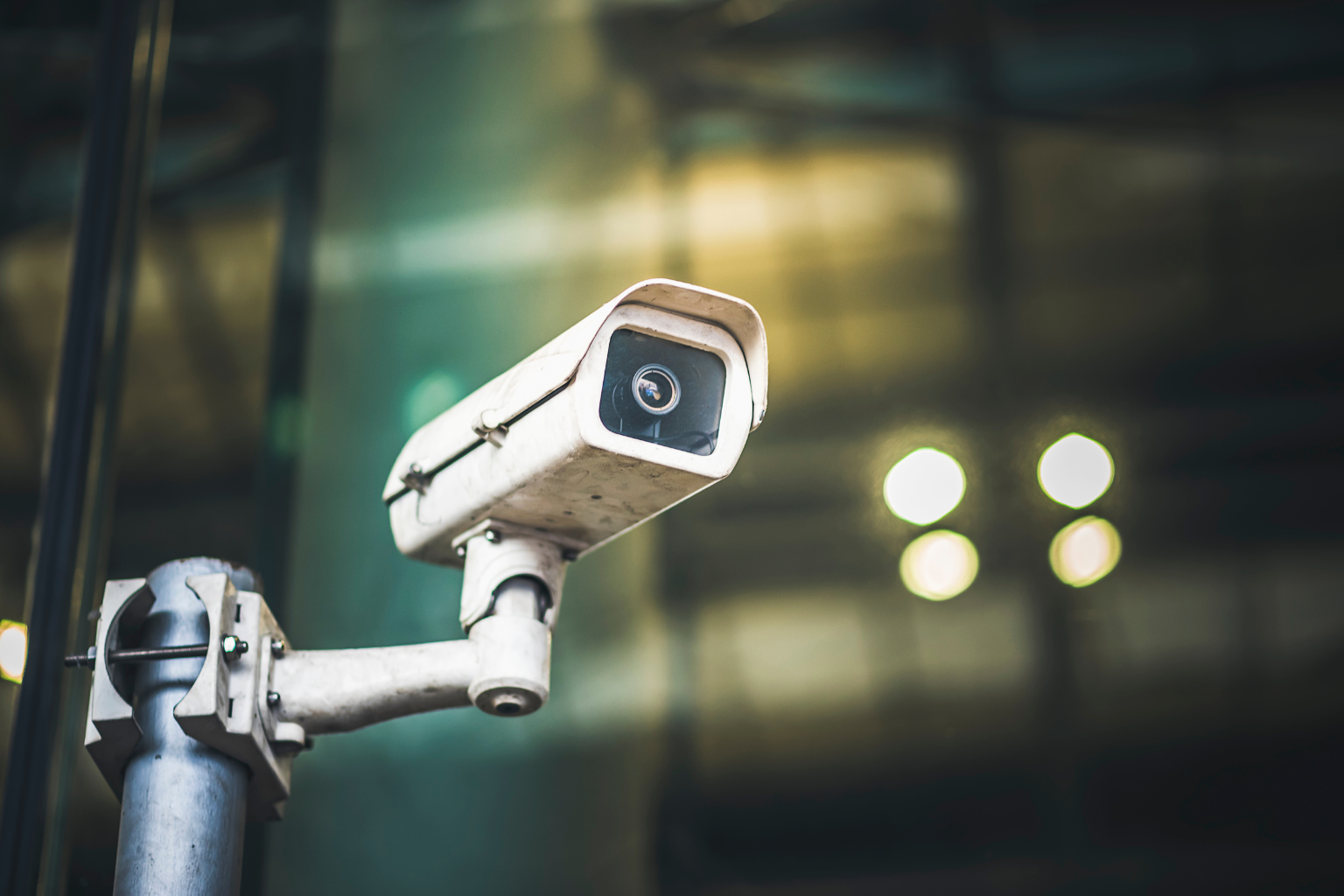
Unlike traditional patrol-based plate readers that only scanned vehicles when police officers were nearby, today’s fixed camera systems operate around the clock. Positioned on utility poles, traffic lights, and major roadways, they continuously monitor traffic without requiring an officer’s presence.
Supporters of the technology say the systems have already helped solve numerous criminal investigations throughout New Jersey. In several cases, investigators were able to identify suspect vehicles that would otherwise have remained unknown. Law enforcement agencies believe these tools save valuable investigative time and improve public safety by providing immediate alerts when stolen or wanted vehicles are detected.
However, privacy advocates warn that the technology also records the movements of millions of law-abiding residents who have done nothing wrong.
Every scan collected by New Jersey’s statewide network is stored for up to three years. That retention period is significantly longer than in many other states, where similar records may be deleted after several weeks, days, or even minutes if they are not connected to a criminal investigation.
Civil liberties organizations argue that such long-term storage creates a detailed record of where people travel, work, shop, seek medical care, attend religious services, or visit family members. Because the information remains searchable for years, critics say it could potentially reveal sensitive patterns about a person’s daily life.
Another issue drawing attention is the broad sharing of collected information.
Many New Jersey agencies participate in a statewide data-sharing network that allows authorized law enforcement partners to search license plate records across multiple jurisdictions. Depending on agency agreements, searches may also be accessible to certain federal agencies and selected law enforcement organizations outside New Jersey for approved investigative purposes.
Privacy advocates believe this wide access increases the importance of strong oversight. They argue that once data is shared among dozens of agencies, it becomes more difficult for the public to know who accessed their information, why it was searched, and whether the search complied with existing legal standards.
Public awareness remains relatively low despite the technology’s widespread use.
Many of the cameras blend into existing traffic infrastructure, making them difficult to distinguish from ordinary traffic cameras or closed-circuit surveillance systems. Most residents simply drive past them without realizing they are being scanned.
Unlike some public safety technologies that include public notices or published deployment maps, there is currently no comprehensive official statewide map showing where all automated license plate reader cameras are installed. As a result, many drivers only learn about the systems after reading news reports or seeing community discussions online.
Technology providers say their products are built specifically to support legitimate criminal investigations rather than conduct mass surveillance.
Manufacturers explain that the cameras capture information already visible on public roadways and emphasize that individual law enforcement agencies—not private companies—determine how the systems are used, who may access the data, and how long records are retained under applicable state policies.
Still, some legal experts believe stronger safeguards may eventually be necessary.
Several lawsuits filed in other states challenge the expanding use of automated license plate reader networks, arguing that long-term location tracking without individualized suspicion may raise constitutional concerns. Courts have begun examining whether increasingly dense surveillance networks could affect expectations of privacy under existing legal protections.
The debate has also reached state lawmakers.
Some proposed legislation in New Jersey would reduce how long license plate data can be stored while increasing penalties for unauthorized access or misuse. Other proposals seek additional transparency regarding data sharing and public reporting. Although these measures have received attention, several remain under legislative review.
Even supporters of automated license plate readers acknowledge that balancing public safety with individual privacy will remain an ongoing challenge as surveillance technology continues to evolve.
State audits have found relatively few policy violations among participating agencies, but critics note that only a small sample of searches is reviewed during compliance audits. They argue that stronger independent oversight and greater public transparency could help build trust while ensuring agencies continue using the technology responsibly.
The discussion also extends beyond government agencies. Retail centers, commercial properties, residential communities, and private organizations have increasingly adopted similar camera systems to monitor parking lots and entrances, further expanding the number of locations where vehicles may be recorded during everyday travel.
As more cameras are added across New Jersey, the conversation is shifting from whether the technology is useful to how it should be governed.
For many residents, the benefits of solving crimes, recovering stolen vehicles, and finding missing people are clear. Others believe stronger privacy protections are equally important as surveillance capabilities become more advanced.
The future of New Jersey’s automated license plate reader program will likely depend on how lawmakers, law enforcement leaders, privacy experts, and the public work together to establish clear rules that protect both public safety and individual rights. As the statewide network continues to expand, questions about transparency, accountability, and responsible use of personal data are expected to remain at the center of the debate.
Sources
- New Jersey Office of the Attorney General
- New Jersey State Police
- Electronic Frontier Foundation (EFF)
- American Civil Liberties Union of New Jersey (ACLU-NJ)
- Institute for Justice
- U.S. Department of Justice (DOJ)