
How Smart Home Technology Is Changing the Future of Real Estate
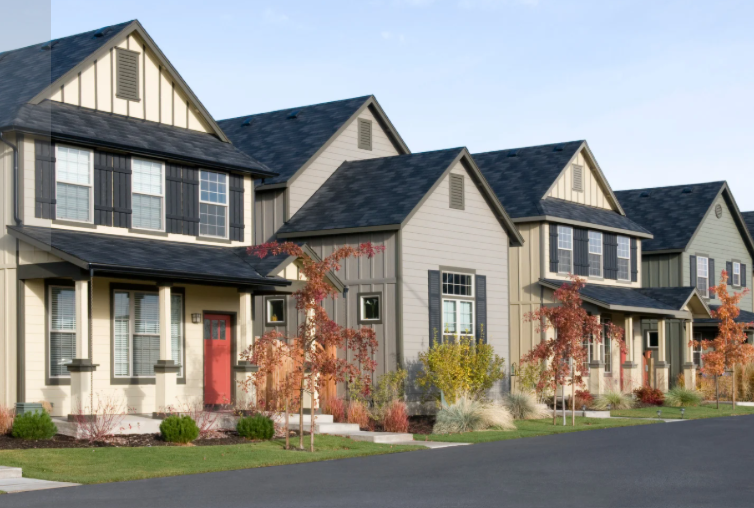
The real estate industry is rapidly evolving as smart home technology becomes a key factor influencing buying decisions. Modern homebuyers are no longer looking only for spacious layouts and attractive neighbourhoods—they also want properties equipped with innovative features that improve comfort, security, and energy efficiency. As technology continues to advance, smart homes are becoming a valuable selling point for both homeowners and real estate developers.
Smart home technology refers to internet-connected devices that allow homeowners to monitor and control various systems remotely through smartphones, tablets, or voice assistants. These systems include smart lighting, security cameras, video doorbells, programmable thermostats, smart locks, leak detectors, and automated appliances. Together, they create a more convenient and efficient living experience.
One of the biggest advantages of smart homes is enhanced security. Smart security cameras, motion sensors, and video doorbells allow homeowners to monitor their property from anywhere in real time. Many systems send instant alerts if unusual activity is detected, helping residents respond quickly to potential security concerns. These features are particularly attractive to families and individuals who travel frequently.
Energy efficiency is another major benefit driving the popularity of smart homes. Smart thermostats automatically adjust heating and cooling based on occupancy and user preferences, reducing unnecessary energy consumption. Automated lighting systems turn lights off when rooms are empty, while smart irrigation systems optimize water usage for landscaping. These technologies can help homeowners lower utility bills while supporting environmentally friendly living.
Real estate professionals are also using smart technology to improve the buying and selling process. Virtual home tours, digital contracts, AI-powered property recommendations, and online mortgage applications have made transactions faster and more convenient. Buyers can explore properties remotely before scheduling in-person visits, saving time and expanding their options.
Developers are increasingly incorporating smart features into newly constructed homes because they recognise growing consumer demand. Properties equipped with integrated smart systems often attract more interest in competitive markets and may command higher resale values. Buyers often view these features as long-term investments that improve both lifestyle and property value.
Despite these advantages, buyers should carefully evaluate smart home systems before making a purchase. Compatibility between devices, cybersecurity protections, software updates, and long-term maintenance costs are important considerations. Choosing products from reputable manufacturers with strong security standards can help reduce privacy and reliability concerns.
The adoption of smart home technology is expected to continue growing as artificial intelligence, automation, and the Internet of Things (IoT) become more advanced. Future homes may feature predictive maintenance systems, AI-powered energy management, and even greater integration between household devices. These innovations have the potential to make homes safer, more efficient, and more responsive to residents’ needs.
As technology reshapes everyday living, smart homes are becoming more than just a luxury—they are increasingly viewed as an important feature in today’s housing market. Buyers, sellers, and investors who understand these trends will be better positioned to take advantage of the opportunities created by the next generation of real estate.
Sources:
- National Association of Realtors (NAR): https://www.nar.realtor/
- U.S. Department of Energy – Energy Saver: https://www.energy.gov/energysaver
- Consumer Reports – Smart Home Guides: https://www.consumerreports.org/
- Investopedia – Smart Home Technology: https://www.investopedia.com/
- International Energy Agency (IEA): https://www.iea.org/