Public Support for Trump’s Tariff Policy Drops as New Polling Shows Growing Opposition
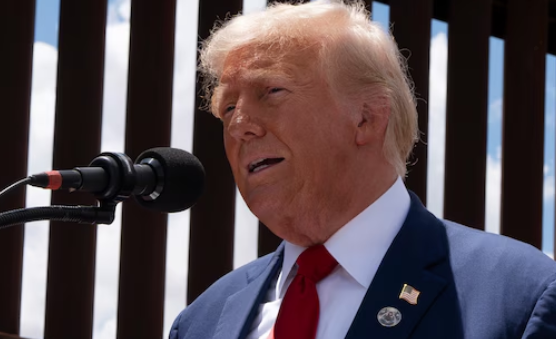
President Donald Trump’s latest tariff policy has sparked fresh political debate after new polling data suggested that a growing number of Americans are turning against additional import taxes. The findings have fuelled criticism from political analysts, with some arguing that continuing the strategy despite declining public support could create political challenges for the administration.
Earlier this week, President Trump announced a new round of tariffs that includes a 50% duty on several Canadian products, including hockey sticks and beer. The move marks another step in the ongoing trade dispute between the United States and Canada, which has seen both countries impose tariffs on each other’s goods over the past year.
The latest announcement has renewed discussion over the economic and political impact of tariffs. While the administration has consistently defended the policy as a way to protect American industries and encourage domestic manufacturing, critics argue that higher import taxes can increase costs for businesses and consumers.
During a recent CNN analysis, senior data reporter Harry Enten pointed to polling trends that indicate public opinion has shifted significantly since the 2024 presidential election. According to the polling figures he discussed, Americans were previously divided on tariffs, with a slight majority supporting the policy shortly after the election.
However, the latest survey results show a notable change in public sentiment. Enten said that support for imposing new tariffs has fallen sharply, while opposition has grown to nearly two-thirds of those surveyed. He argued that Americans have become increasingly concerned about the economic effects of tariffs and now view the policy less favorably than they did before.
According to the polling data highlighted during the segment, 63% of Americans now oppose new tariffs, while 37% continue to support them. The figures suggest that public opinion has shifted considerably over the past several months, making tariffs one of the more controversial economic issues facing the administration.
Enten criticised the decision to continue expanding the tariff strategy despite the changing political landscape. He described repeatedly pursuing a policy that has become increasingly unpopular as politically difficult to justify, arguing that voters have clearly expressed their dissatisfaction with the approach.
The discussion also focused on President Trump’s overall approval ratings following the rollout of the tariff measures. Enten noted that the president’s approval numbers have remained in negative territory since the large-scale tariff announcements made in late March 2025. According to his analysis, the implementation of those tariffs represented a major turning point in public opinion during Trump’s second term.
Although some tariff measures were later modified or reversed, Enten argued that the initial rollout had already influenced how many Americans viewed the administration’s economic policies. He suggested that the public reaction to the tariffs has continued to affect the president’s political standing.
The Trump administration has consistently maintained that tariffs are an important tool for addressing trade imbalances, protecting American jobs, and strengthening domestic industries. Supporters of the policy argue that tariffs encourage companies to manufacture products within the United States and reduce dependence on foreign imports.
On the other hand, many economists have warned that tariffs can increase prices for imported goods, raise production costs for businesses, and contribute to inflation. Critics also argue that retaliatory tariffs imposed by trading partners can negatively affect American exporters, particularly in industries such as agriculture and manufacturing.
Canada has remained one of the countries most directly affected by the latest trade measures. In response to previous U.S. tariffs, Canadian officials introduced their own duties on certain American products, continuing a pattern of reciprocal trade actions between the two neighbouring countries.
The renewed trade tensions come at a time when economic issues remain among the top concerns for American voters. Inflation, consumer prices, employment, and international trade continue to play a central role in national political discussions as policymakers debate the best path forward for the U.S. economy.
While the latest polling reflects growing opposition to new tariffs, the administration has not indicated any plans to change its broader trade strategy. As the debate continues, future public opinion surveys and economic data will likely play an important role in shaping discussions about the effectiveness and political impact of tariff policies.
Sources
- CNN
- The Associated Press (AP)
- Office of the United States Trade Representative (USTR)