
Hackensack Homeowner Files Lawsuit After Historic Backyard Oak Tree Is Allegedly Cut Down Without Permission
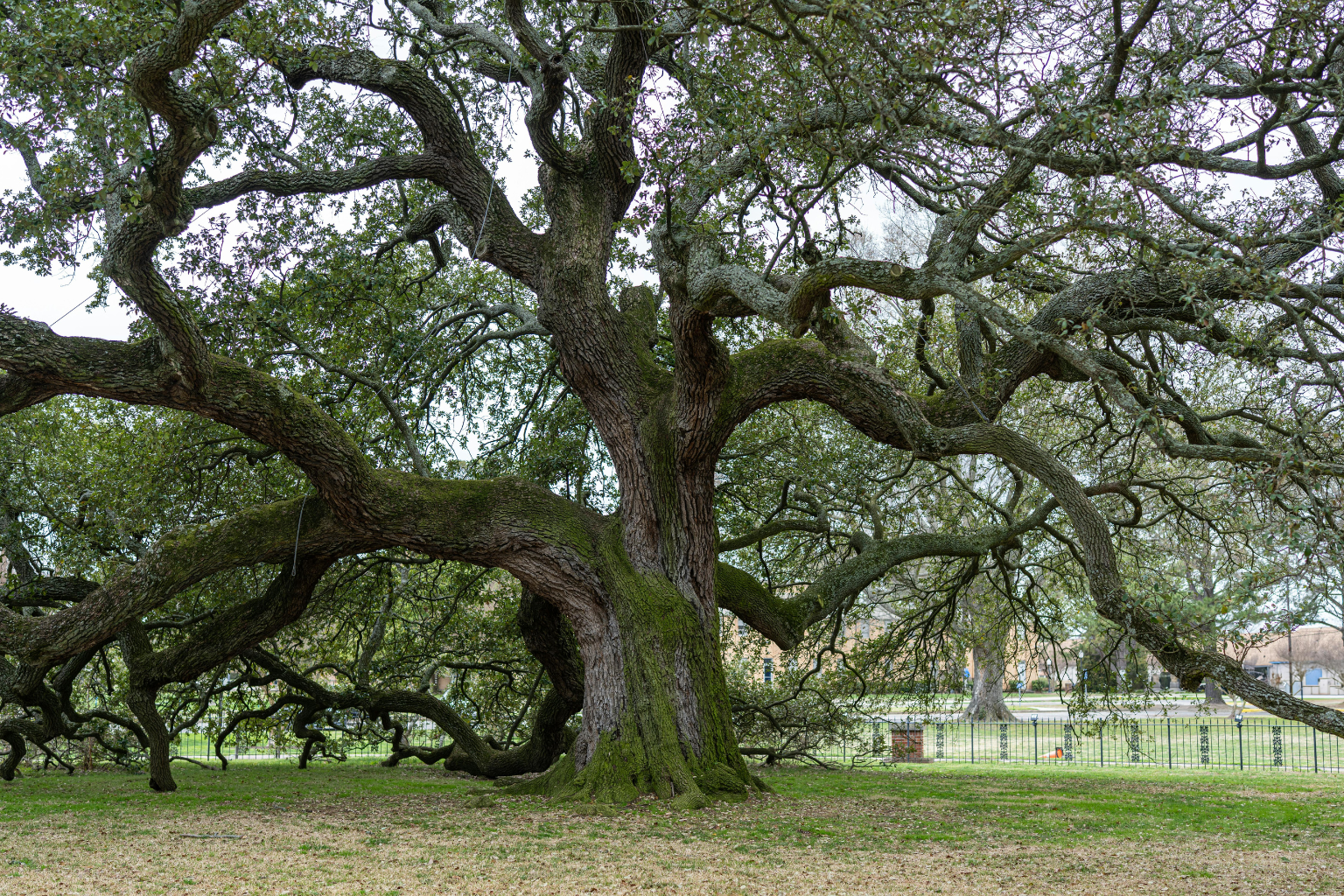
A New Jersey homeowner has taken legal action after a towering oak tree that stood on her property for more than 150 years was allegedly cut down by mistake during a nearby tree removal project. The lawsuit claims the tree was removed without notice, permission, or proper verification of the property boundary, raising serious questions about private property rights and accountability.
Lenora Pascuzzo, a homeowner in Hackensack, says the historic oak tree had been a defining feature of her backyard for generations. The tree, estimated to have begun growing around the time of America’s 1876 centennial celebration, had reached nearly 80 feet in height over the decades. Beyond its impressive size, the tree provided shade, privacy, natural beauty, and environmental benefits that contributed significantly to the character and value of the property.
According to the lawsuit, the incident happened on August 12, 2025, when contractors working on a tree removal project connected to neighbouring school property allegedly entered Pascuzzo’s land without authorisation. Court filings state that the oak tree was located approximately 40 feet inside her property line, making it part of her private property rather than the adjacent public land.
The lawsuit, filed on June 11, names several defendants, including the City of Hackensack, the Hackensack Board of Education, Bergen County, multiple state agencies, and Rich Tree Service Inc., the company involved in the tree removal work. The legal complaint accuses the defendants of trespassing, negligence, reckless disregard, and unlawfully damaging private property.
Pascuzzo is seeking compensation for a wide range of losses resulting from the removal of the tree. Her claims include the reduction in her property’s value, the cost of restoring the landscape, replacement value for the tree, and damages related to the loss of shade, privacy, environmental benefits, and the overall appearance of her property. The lawsuit argues that the destruction of a tree that had taken more than a century to mature cannot simply be undone and represents a significant and lasting loss.
Her attorney, Christopher T. Karounos, said the legal dispute extends beyond the removal of a single tree. He argued that the case is centred on protecting private property rights and ensuring that government agencies and contractors are held responsible when they fail to verify ownership before carrying out work. According to the attorney, confirming property boundaries before removing mature trees should have been a basic step that could have prevented the incident.
City officials have denied responsibility for the tree’s removal. Hackensack Mayor Caseen Gaines stated that no city employees performed tree maintenance in the area or during the time referenced in the lawsuit. The city maintains that municipal workers were not involved in the work described in the legal complaint.
The Hackensack Board of Education also responded, saying that the matter has been turned over to its insurance carrier for review. Board President Jennifer Harris stated that the insurance provider will handle the litigation and pursue any appropriate claims against the party ultimately found responsible for removing the tree.
At the time of reporting, Rich Tree Service Inc. had not publicly responded to requests for comment regarding the allegations. Representatives for Bergen County and the state agencies named in the lawsuit also had not issued public statements addressing the claims.
The case highlights the importance of verifying property boundaries before conducting construction or landscaping work, especially when large, mature trees are involved. Trees of this age often provide decades of environmental value by improving air quality, supporting wildlife, reducing heat, and enhancing neighbourhood landscapes. Their removal can have long-term effects that go beyond the immediate appearance of a property.
As the lawsuit moves forward, the court will determine whether the defendants acted improperly and whether the homeowner is entitled to financial compensation for the alleged loss. The outcome could also influence how government agencies, contractors, and property owners approach future tree removal projects where property lines and ownership are in question.
Sources:
- Superior Court of New Jersey (court filing)
- City of Hackensack
- Hackensack Board of Education