
Trump Admits Heated Private Call With Netanyahu Amid Rising Middle East Tensions
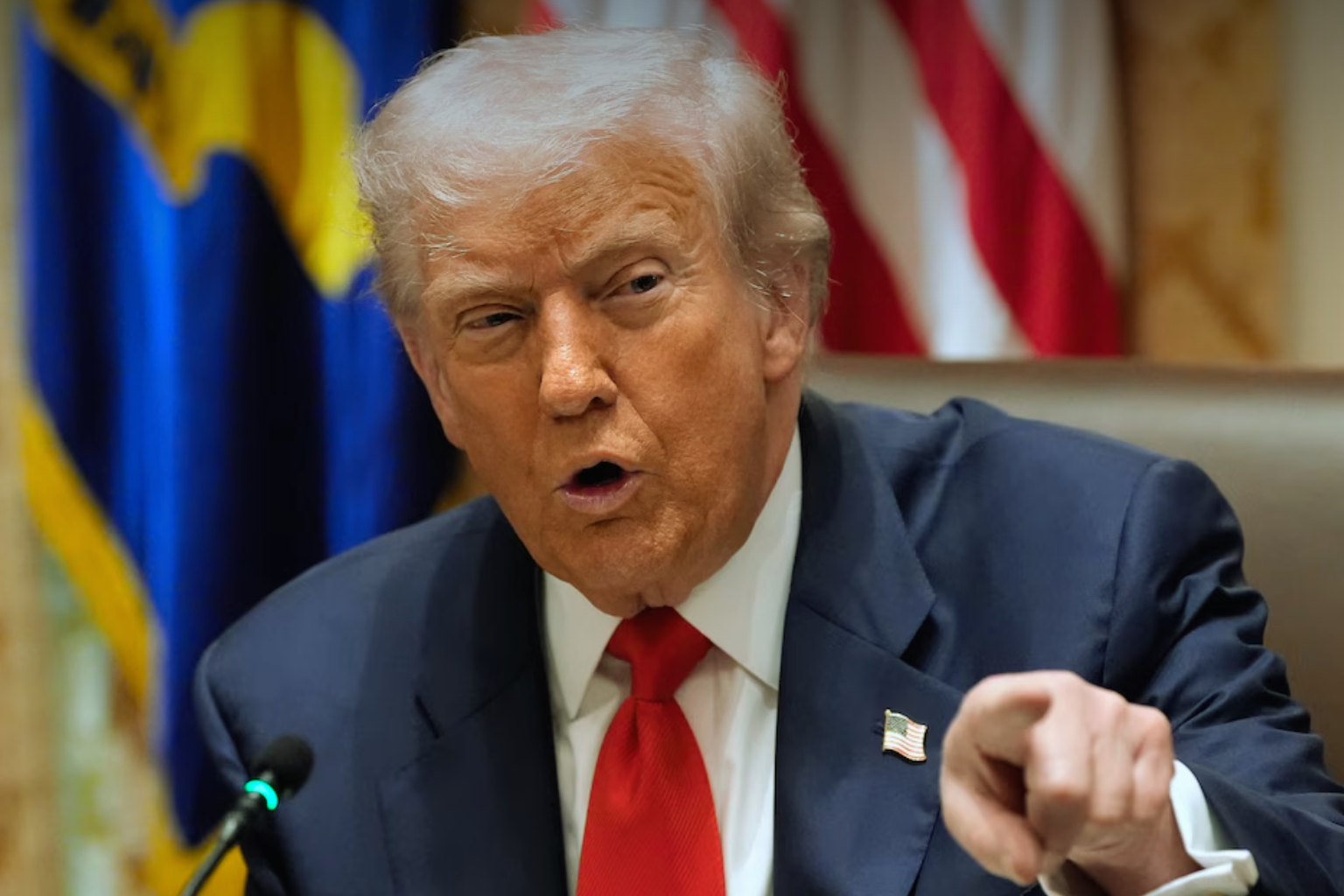
President Donald Trump has confirmed that he used strong and emotional language during a private phone call with Israeli Prime Minister Benjamin Netanyahu, following concerns over escalating military activity in the region, particularly linked to Lebanon.
The details of the conversation first surfaced through reports citing unnamed U.S. officials, which suggested that Trump reacted sharply during the call held earlier in the week. According to those accounts, Trump expressed frustration over Israel’s military escalation in Lebanon and directly questioned Netanyahu’s actions in very blunt terms. The reported exchange included highly charged remarks, reflecting tension between the two leaders during the discussion.
Later, Trump addressed the matter publicly during an interview on a podcast, where he acknowledged that the conversation did take place in strong language. He confirmed he “did” speak to Netanyahu in a harsh tone when asked about the reported comments. However, he also clarified that while he was upset, he would not describe himself as fully angry, explaining instead that he was “a little bit perturbed” over the ongoing conflict situation and repeated military actions in the region.
Trump further explained that his main concern during the call was to push for a reduction in fighting and to prevent further escalation involving Lebanon. He emphasized that he urged Netanyahu to reconsider certain military actions and stressed the need to bring the situation under control.
Despite the reported tension, Trump highlighted that his working relationship with Netanyahu remains strong. He described both leaders as operating in high-pressure environments, referring to them as leaders managing wartime responsibilities in complex geopolitical conditions. He also reiterated that their communication remains open and direct.
Following the phone call, Trump also made public remarks through his social media platform, stating that he had advised Netanyahu against conducting certain military operations in Beirut. He further claimed that Israeli forces adjusted their actions following his intervention and suggested that communication had also taken place involving other regional actors to help reduce tensions.
At the same time, Israeli Prime Minister Benjamin Netanyahu issued his own statement, maintaining that Israel would continue military operations if attacks from Hezbollah did not stop. He stressed that Israel would respond firmly to any continued threats against its cities and citizens, while also confirming that operations in southern Lebanon would continue.
The exchange comes at a sensitive moment, as broader diplomatic discussions involving Iran and nuclear negotiations remain ongoing. Trump has indicated openness to future diplomatic engagement with Iranian leadership, while also noting that discussions around Iran’s nuclear program have seen movement, though he warned that positions could still change.
U.S. officials, including senior diplomatic voices, have also suggested that discussions with Iran are continuing in some form, even as regional tensions create new obstacles for negotiations. Meanwhile, reports from Iranian state media have indicated interruptions in communication at certain points, adding further complexity to the situation.
The latest developments highlight ongoing pressure in the Middle East, where military actions, diplomatic negotiations, and political messaging are all intersecting. While Trump has defended his approach as direct and necessary to prevent further escalation, the situation remains fluid, with no clear resolution yet in sight.
Sources:
Axios reporting based on U.S. officials, New York Post podcast interview featuring Donald Trump, Truth Social statements from Donald Trump, public statements from Israeli Prime Minister Benjamin Netanyahu, statements attributed to U.S. State Department officials and Senate Foreign Relations Committee testimony.