
Trump Names Bill Pulte as Acting Intelligence Chief, Sparking Sharp Political Debate
President Donald Trump’s decision to appoint Bill Pulte as acting Director of National Intelligence has triggered immediate reactions across Washington, with supporters praising the move and critics questioning the choice.
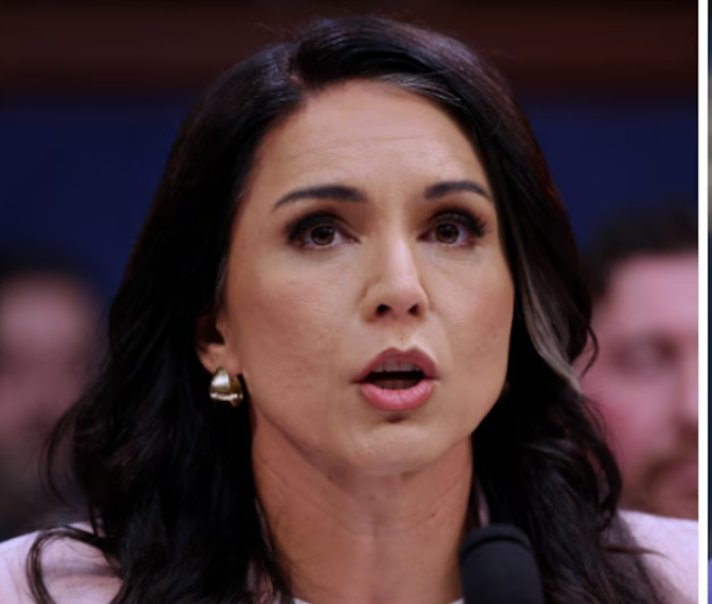
The announcement came after Tulsi Gabbard revealed that she plans to step down from her role by the end of June. Gabbard said her decision was influenced by her husband’s diagnosis with an extremely rare form of bone cancer. In response, Trump selected Pulte, who currently serves as Director of the Federal Housing Finance Agency, to temporarily lead the nation’s intelligence community.
In announcing the appointment, Trump described Pulte as someone with significant experience handling sensitive matters affecting the United States. The president also indicated that Pulte would continue serving in his current positions at the Federal Housing Finance Agency and as chairman of Fannie Mae and Freddie Mac while taking on the acting intelligence role.
The move quickly became a major topic of discussion among lawmakers, political analysts, and commentators. Several Democratic leaders voiced concerns about Pulte’s qualifications for overseeing the nation’s intelligence agencies. Their criticism centered on his lack of direct national security and intelligence experience, arguing that the position requires extensive expertise because of the critical role it plays in protecting the country.
Among the most vocal critics was Senator Mark Warner of Virginia, the top Democrat on the Senate Intelligence Committee. Warner argued that the appointment appeared to prioritize political loyalty over professional intelligence experience. He expressed concern that the intelligence community could become more focused on supporting political objectives rather than providing independent assessments.
Senate Minority Leader Chuck Schumer also criticized the decision, describing Pulte as a highly partisan figure and warning that the appointment could weaken national security. Other Democratic voices echoed similar concerns, questioning whether someone without a traditional intelligence background should oversee the country’s intelligence operations.
Outside Congress, political commentators also weighed in. Some liberal analysts described the appointment as one of the most controversial personnel decisions of Trump’s current administration. Critics argued that leadership of the intelligence community requires specialized experience that Pulte has not previously held.
Pulte’s supporters, however, defended the president’s choice. Vice President JD Vance publicly backed the appointment, describing Pulte as a strong leader who understands that intelligence agencies should remain accountable to elected officials. Supporters also pointed to Pulte’s management experience and his willingness to challenge established government institutions.
The appointment has drawn additional attention because of Pulte’s actions while leading the Federal Housing Finance Agency. During his tenure, he pursued several high-profile referrals involving Democratic political figures. Those actions generated significant political controversy and helped make him a well-known figure within national political debates.
Republican leaders have been more cautious in their initial reactions. Senate Majority Leader John Thune indicated that he had only recently learned of the decision and wanted additional information before offering a detailed assessment. His comments suggested that lawmakers are still evaluating the implications of the appointment.
Because Pulte has been named acting Director of National Intelligence, he does not need immediate Senate confirmation to assume the role. However, if the administration eventually seeks to make the appointment permanent, a Senate confirmation process would likely become necessary.
At this stage, it remains unclear whether Trump intends to keep Pulte in the position permanently or whether another nominee will eventually be selected to replace Gabbard. The administration has not provided further details about its long-term plans for the leadership of the intelligence community.
The debate surrounding the appointment highlights the broader political divisions that continue to shape discussions about federal agencies and executive authority. Supporters view the move as an effort to align government institutions more closely with elected leadership, while opponents argue that intelligence agencies must remain independent and guided by experienced national security professionals.
As Washington reacts to the unexpected leadership change, attention will remain focused on how Pulte manages the responsibilities of the nation’s top intelligence post and whether the White House decides to pursue a permanent nomination in the months ahead.
Sources
Official statements and public announcements from the White House.
Public statements from members of the U.S. Senate, including the Senate Intelligence Committee and Senate leadership.
Public comments from Vice President JD Vance.