New Invasive ‘Jumping Worms’ Spreading Across New Jersey Raise Concerns for Gardens and Lawns
New Jersey residents are being warned about a fast-spreading invasive species known as jumping worms, a destructive type of earthworm that experts say can seriously damage soil, gardens, forests, and even residential lawns.
The worms, sometimes called “crazy snake worms,” “Jersey wrigglers,” or “Asian jumping worms,” are drawing attention because of their unusual movement. Unlike regular earthworms, these invasive worms move aggressively and twist violently when touched, making them appear snake-like. Some experts say they can even launch themselves several inches off the ground while thrashing.
While the movement alone may unsettle many homeowners, environmental experts say the bigger issue is the long-term damage these worms can cause to soil and plant life across the state.
According to environmental researchers, jumping worms consume large amounts of organic material found on the ground, especially fallen leaves that naturally protect and enrich soil. That upper layer of leaf litter is important because it supports plant growth and provides shelter for many tiny organisms that help forests and gardens stay healthy.
As the worms rapidly feed through this material, they leave behind dry, grainy soil that resembles coffee grounds. Experts say this changes the natural structure of the soil and makes it harder for plants, flowers, vegetables, and grass to survive.
Researchers warn that once jumping worms become established in an area, they can spread quickly and are difficult to control. The worms have now been confirmed in multiple New Jersey counties, including Bergen, Essex, Hunterdon, Mercer, Middlesex, Monmouth, Morris, Ocean, Passaic, Sussex, Union, and Warren.
The invasive species has also spread widely across the United States in recent years, with sightings confirmed in at least 38 states. Large numbers have been reported throughout parts of the Midwest, particularly in Wisconsin, Minnesota, Illinois, and Indiana. Experts say the worms have also been detected as far south as Florida and as far west as California.
Environmental officials say homeowners should pay close attention because reports from other states suggest the worms may contribute to lawn decline and plant loss. Some gardeners and growers in neighboring states have connected infestations to damaged flower beds and failed crops.
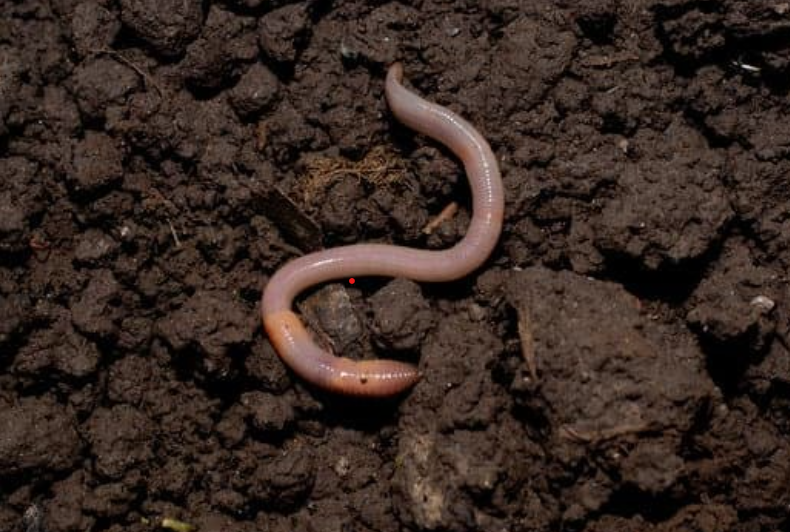
Jumping worms can usually be identified by their smooth gray or brown body and a pale whitish band near the head. Unlike common earthworms, the band completely circles the body and appears flatter. They also move much faster than normal worms and react strongly when disturbed.
Experts recommend checking soil, mulch, and potted plants carefully before bringing them home. Worm eggs can spread easily through transported soil and garden materials. Homeowners are also being advised not to move leaves, compost, or plants from areas where jumping worms are already known to exist.
Specialists say there are currently no reliable pesticides or simple treatment methods available to eliminate jumping worms once they become widespread. Because of that, prevention remains the most effective strategy.
Some experts recommend placing any collected jumping worms into sealed plastic bags and freezing them before disposal. Others suggest using heat treatment methods on mulch or compost to help destroy hidden worms and eggs.
Officials continue to urge residents, gardeners, and landscapers to stay alert as the invasive species expands into more parts of New Jersey. Researchers say protecting soil health is critical because healthy soil supports forests, gardens, lawns, and local ecosystems throughout the state.
Sources:
- New Jersey Department of Environmental Protection
- U.S. Forest Service
- University of Wisconsin-Madison Arboretum
- Connecticut Agricultural Experiment Station
- Penn State University Department of Entomology