
Will the Housing Inventory Shortage Continue in 2026? What Buyers and Sellers Need to Know
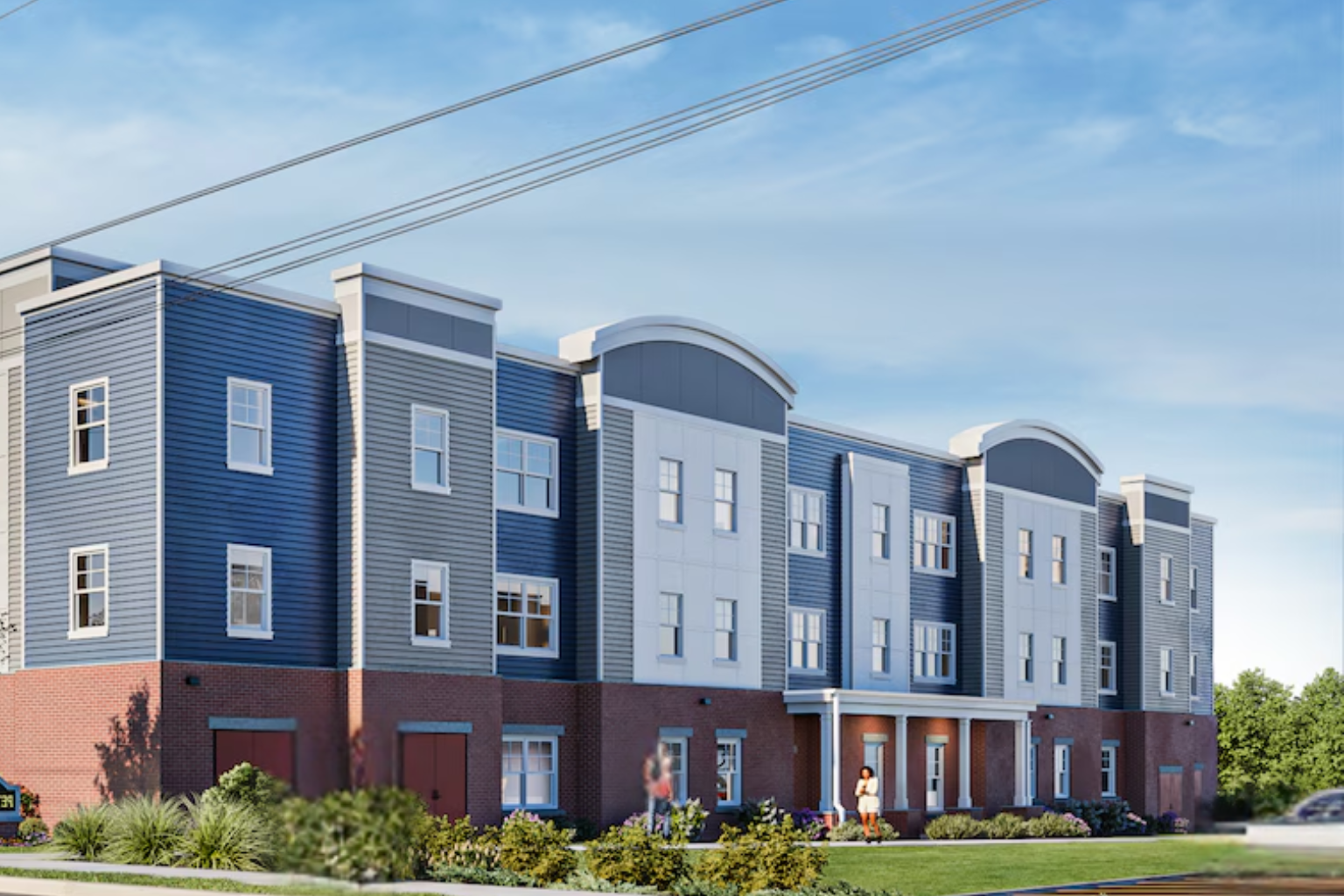
The shortage of homes for sale has been one of the biggest challenges facing the U.S. housing market in recent years. Across many regions of the country, buyers have struggled to find suitable properties, while rising competition has pushed home prices higher. As 2026 unfolds, many prospective buyers, sellers, and real estate investors are asking the same question: Will the housing inventory shortage continue?
The answer is complex. While there are signs that inventory levels are gradually improving in some markets, supply remains below historical norms in many parts of the United States. Several economic and market factors continue to limit the number of homes available for sale, creating challenges for buyers and opportunities for sellers.
One of the primary reasons inventory remains tight is the lingering impact of years of underbuilding. Following the housing market downturn more than a decade ago, many builders reduced construction activity significantly. Although new home construction has increased in recent years, it has not fully closed the gap between housing supply and growing demand. The result is a market that continues to face a shortage of available homes in many communities.
Another major factor affecting inventory is mortgage rates. Millions of homeowners secured historically low mortgage rates during previous years. Many are reluctant to sell their homes and purchase a new property that would require financing at a higher interest rate. This phenomenon, often referred to as the “lock-in effect,” has reduced the number of existing homes entering the market. As long as mortgage rates remain elevated compared to past lows, some homeowners may continue postponing plans to move.
Population growth and household formation are also contributing to housing demand. Younger generations continue entering the homebuying market, while many existing homeowners seek larger homes, different locations, or properties that better fit changing lifestyle needs. Even when demand moderates slightly, it often remains strong enough to absorb available inventory quickly in desirable markets.
The good news for buyers is that some housing markets are beginning to see modest improvements in supply. New construction activity has added inventory in several regions, particularly in areas experiencing strong population growth. Builders are increasingly focusing on creating homes that appeal to first-time buyers and move-up buyers, helping expand available options in certain markets.
Regional differences are becoming increasingly important when evaluating housing inventory. Some cities and suburban areas are seeing inventory levels rise as new developments come online and buyer demand stabilizes. Other regions continue to face significant shortages due to limited land availability, restrictive zoning regulations, or strong population growth. As a result, housing conditions can vary dramatically from one market to another.
Affordability remains another critical factor influencing inventory trends. Higher home prices and borrowing costs have caused some buyers to delay purchasing decisions. This has helped reduce bidding wars in certain markets and allowed listings to remain available for longer periods than they did during the peak of the housing frenzy. However, in many desirable neighborhoods, well-priced homes continue to attract substantial interest from buyers.
Real estate experts generally expect inventory levels to improve gradually throughout 2026 rather than experiencing a sudden surge. Most forecasts suggest that while more homes may become available compared to previous years, overall supply is unlikely to return quickly to pre-shortage levels. The market is expected to remain relatively balanced in some areas while continuing to favor sellers in others.
For homebuyers, patience and preparation remain essential. Buyers who are financially prepared, understand their local market, and work with experienced professionals may find more opportunities than were available during the most competitive periods of recent years. At the same time, flexibility regarding location, property type, and home features can expand available options.
Sellers continue to benefit from relatively limited inventory in many markets. Properties that are priced appropriately and presented well often attract strong interest, especially in areas where housing demand remains high. However, as inventory gradually increases, sellers may need to be more strategic with pricing and marketing than they were during periods of extreme scarcity.
Investors are also closely monitoring inventory trends. Housing shortages have supported property values and rental demand in many regions. While additional supply could ease some market pressures, continued demand for housing is expected to remain an important factor supporting real estate activity throughout 2026.
Looking ahead, the housing inventory shortage is unlikely to disappear entirely this year. While market conditions are showing signs of improvement, several structural challenges continue to limit supply. New construction, demographic trends, mortgage rates, and economic conditions will all play important roles in shaping inventory levels during the months ahead.
For buyers, sellers, and investors alike, understanding these factors will be critical for making informed real estate decisions. Although more homes may gradually enter the market, the balance between supply and demand is expected to remain one of the defining themes of the U.S. housing market throughout 2026.