Unexpected Guest in the Supreme Court’s Tariff Showdown: What It Means
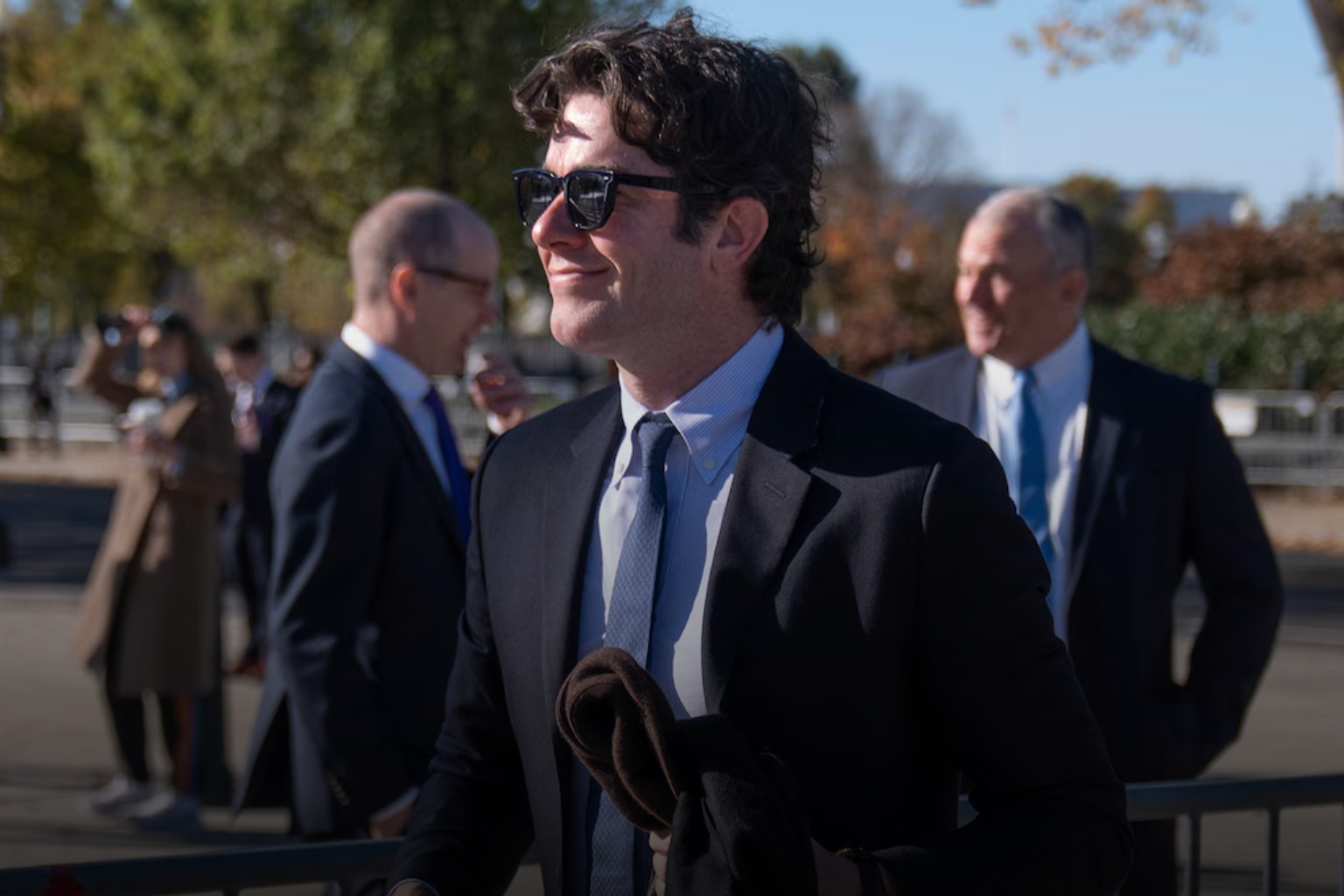
Trump’s sweeping tariffs under the International Emergency Economic Powers Act (IEEPA) were debated by the full Supreme Court of the United States, which was filled with trade lawyers, government officials, and small business representatives. However, comedian and writer John Mulaney, sitting quietly in the back row, stood out. His attendance symbolizes a developing link between popular culture and high-stakes law, not because he was involved in the legal fight.
Since Mulaney is close with constitutional attorney Neal Katyal, who defended small firms contesting the tariffs, his visit is significant. Although Mulaney did not take the stand, his gallery seat showed public interest in executive power and economic policy. The issue questions whether the president can impose broad tariffs on many trading partners under a narrow emergency statute. The justices must decide trade and government power balance.
The justices questioned both sides on the validity of IEEPA tariffs. Tariffs were compared to taxes, which Congress typically had. The “major questions” theory, which gives policy choices to the legislature rather than the president, worried others. Does IEEPA apply to economic imbalances or trade deficits as “unusual and extraordinary” national emergencies? The administration claims that trade deficits threaten national security, but the challengers argue that importing more than exporting does not fulfill the statute’s emergency criterion.
Mulaney’s presence shows that even constitutionally-based legal battles may receive attention outside law firms and policy wonks. It shows that more individuals are realizing that tariffs affect consumer products prices, supply-chain stability, and the economy. The presence of a famous figure like Mulaney in a landmark legal hearing suggests that law, media, and culture are more visible than ever, making complex legal disputes more accessible to ordinary Americans.
This lawsuit could impact businesses and international trade beyond the courtroom. The court might limit the president’s ability to unilaterally impose hefty tariffs without congressional permission if the challengers win. A government ruling would enhance presidential power in trade policy and may change how Congress handles tariffs. The conclusion may change how America handles trade authority and separation of powers in the next years, notwithstanding Mulaney’s headline attendance.
The hearing marks a turning point in government, commerce, and public involvement, whether one focuses on the comic-turned-observer in the gallery or the major constitutional problems at play. Mulaney’s surprise appearance shows that our economy’s legal procedures allow new voices and opinions. Even a back-row stand-up comic reminds us that government decisions matter and that law may be as entertaining as any show.
Sources
Business Insider
The Daily Beast
The Independent