UK Leader Pushes Back on Trump Pressure Over Iran Conflict Stance
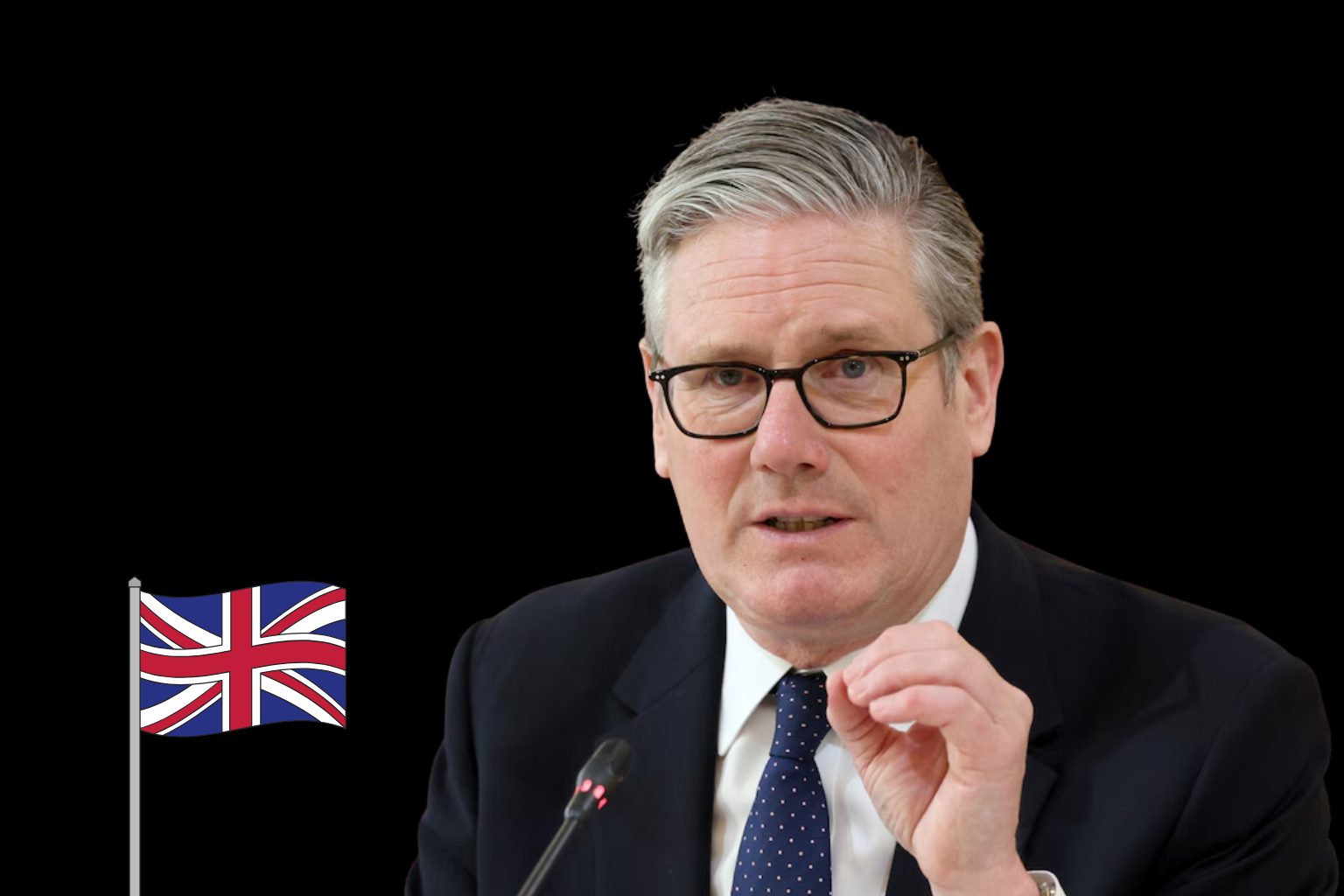
Tensions between the United Kingdom and the United States have surfaced publicly after U.K. Prime Minister Keir Starmer responded firmly to criticism from former U.S. President Donald Trump regarding Britain’s position on the ongoing Iran conflict.
The disagreement centers on the U.K.’s decision not to participate in a joint U.S.-Israeli military operation targeting Tehran. While the United States moved forward with its strategy, the British government chose a different path, emphasizing national interest and independent decision-making.
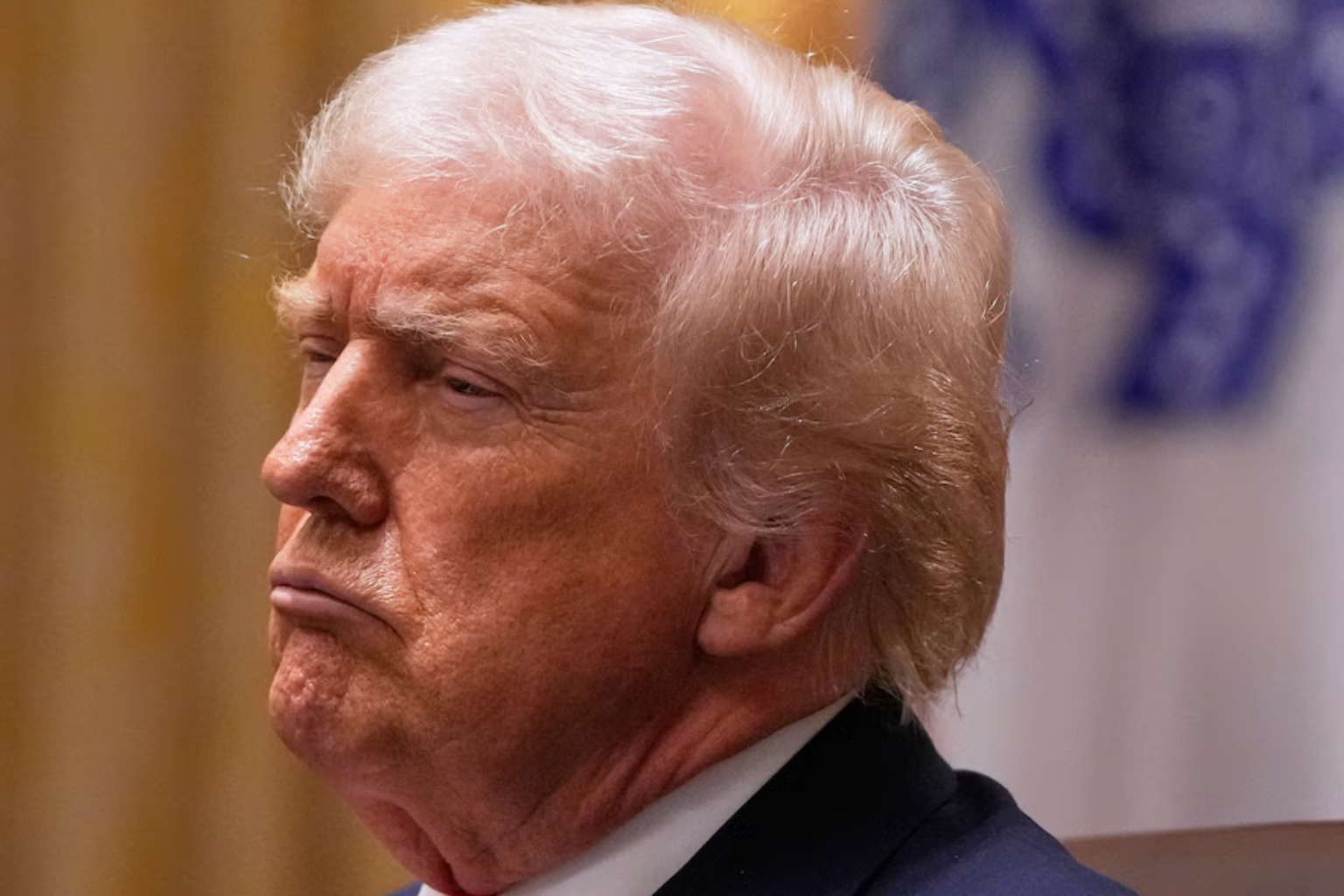
In a recent interview, Starmer addressed comments made by Trump, which included criticism of the U.K.’s stance and broader leadership decisions. The remarks from Trump had been perceived by some as dismissive, even extending to comparisons with past British leadership and questioning current strategic choices.
Starmer made it clear that while he values the longstanding relationship between the two nations, he will not allow external pressure to influence decisions that impact the United Kingdom. He explained that leadership requires acting based on national priorities rather than political pressure from allies.
According to Starmer, much of the recent rhetoric appears aimed at pushing the U.K. to reconsider its position on the conflict. However, he emphasized that such pressure will not change his approach. He reaffirmed that his responsibility is to act in the best interest of the British people and maintain consistency in policy decisions.
The issue also highlights operational disagreements. Trump previously pointed to logistical challenges faced by U.S. forces, particularly regarding access to the Chagos Islands, where a joint U.S.-U.K. military base is located. He expressed frustration over limitations in using the base during military operations, suggesting it affected efficiency and planning.
In addition, Trump criticized the U.K.’s agreement to transfer sovereignty of the Chagos Islands to Mauritius, a move that still allows the military base to be leased for 99 years. He described the decision as disappointing and questioned its strategic value, especially in the context of military readiness.
Despite these criticisms, Starmer maintained a measured tone. He stated that he still aims to maintain a constructive and positive relationship with the United States. However, he underlined that cooperation does not mean agreement on every issue, particularly when core national interests are involved.
Starmer also addressed the broader tone of the political exchange. When asked about being targeted or pressured, he responded by reinforcing his commitment to standing by his principles. He indicated that leadership requires resilience and clarity, especially during times of international tension.
The situation reflects a deeper divide in how both leaders view the Iran conflict and international cooperation in military operations. While the United States has taken a more aggressive approach, the United Kingdom is signaling caution and independence in its foreign policy decisions.
As global attention remains focused on developments in the region, the exchange between these two leaders highlights the complexities of alliances, where shared history does not always translate into aligned strategies. The coming weeks may determine whether diplomatic efforts can ease tensions or if differences will continue to shape transatlantic relations.