Trump’s Marathon 2026 State of the Union Sets Record, Sparks Sharp Political Divide
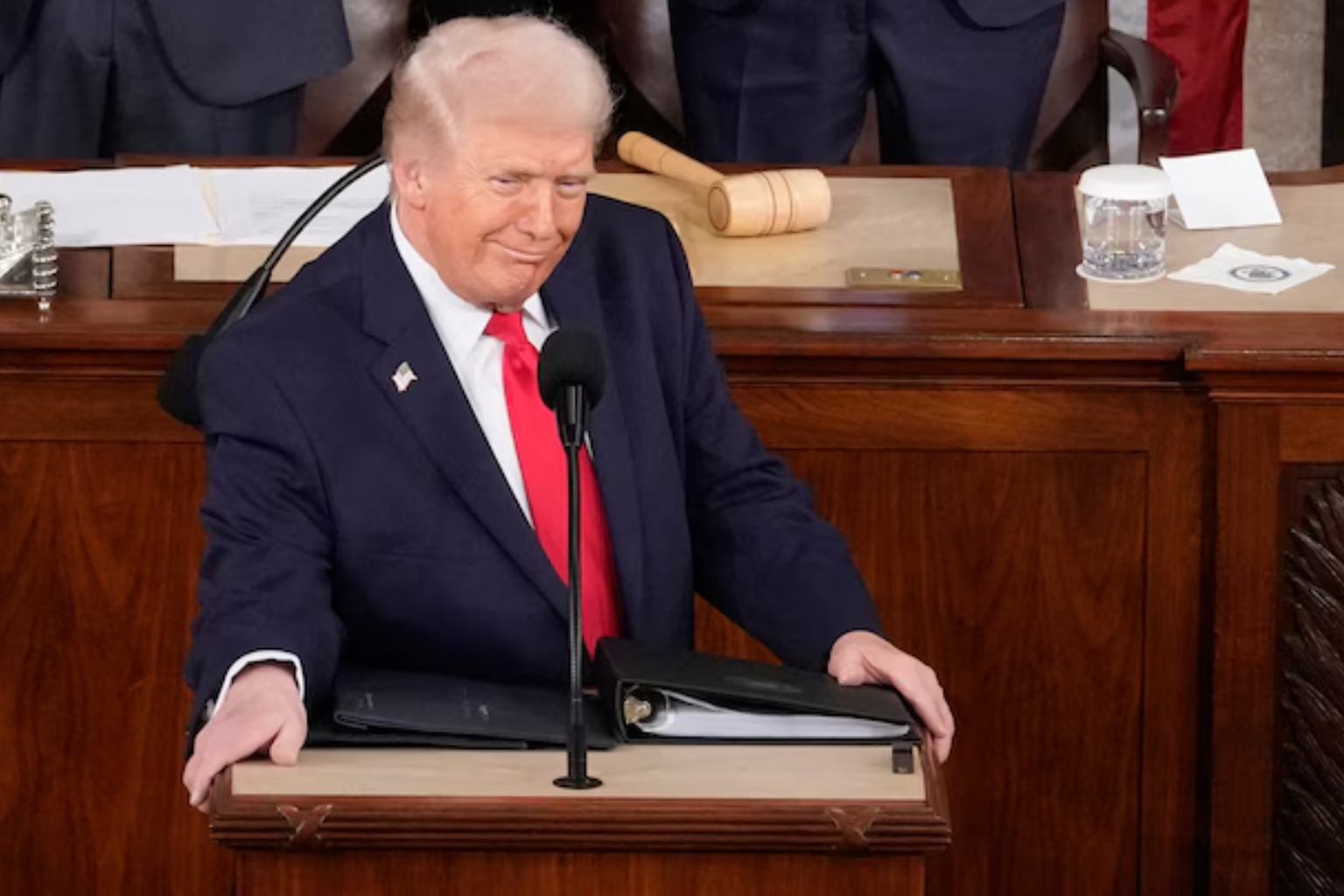
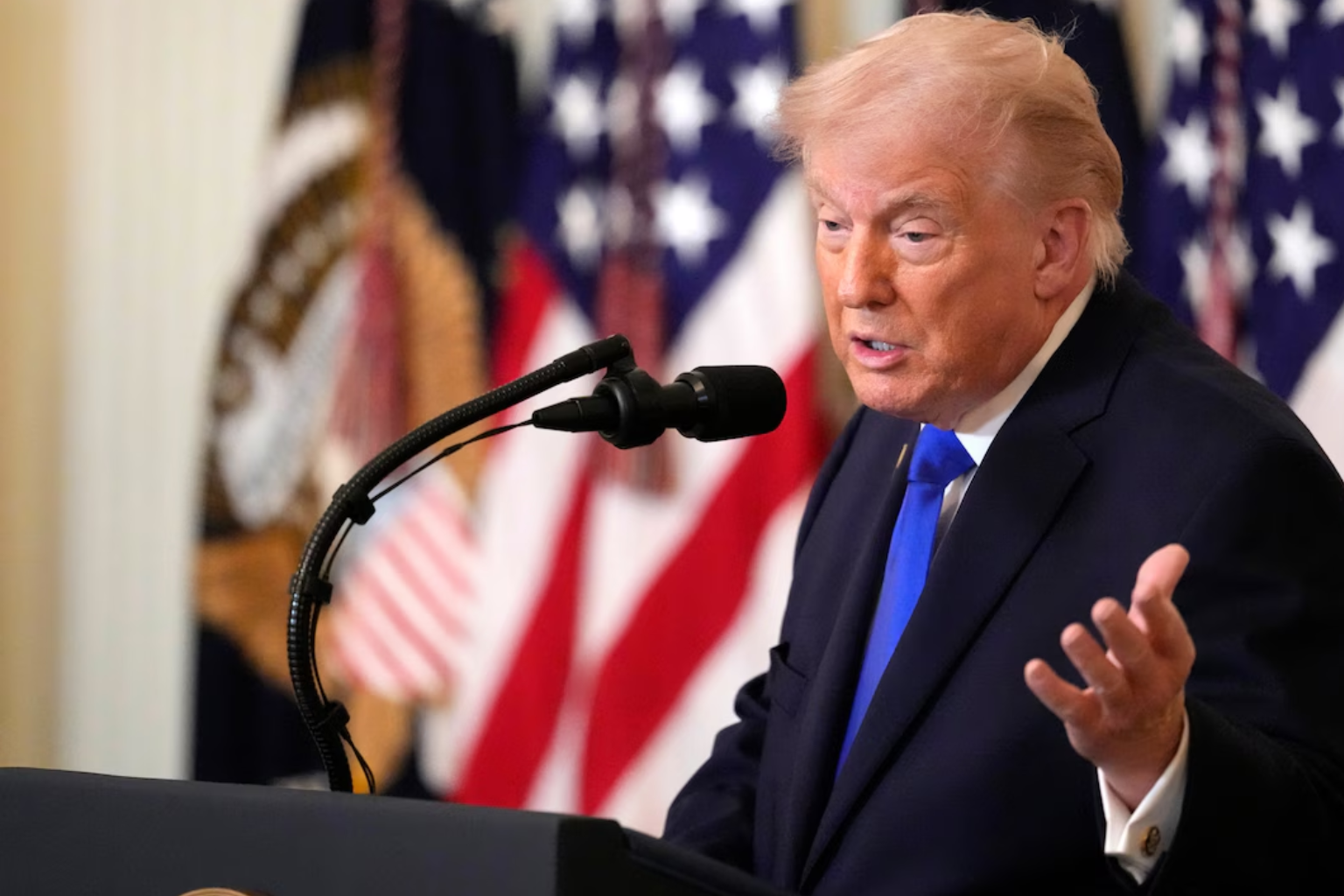
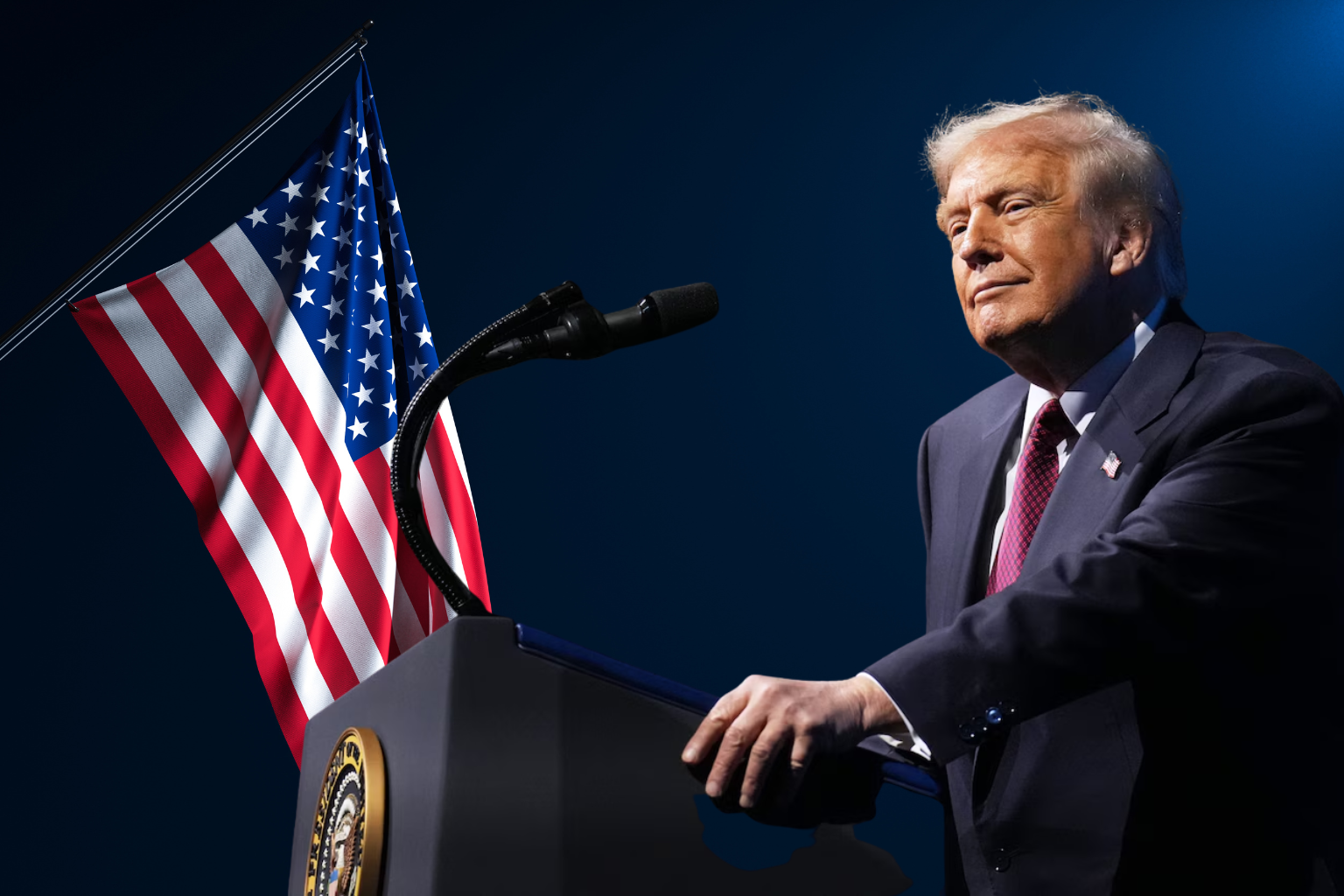
In the longest State of the Union address in modern history, President Donald Trump spoke for one hour and 47 minutes Tuesday night at the U.S. Capitol. The speech surpassed the 2000 record set by former President Bill Clinton by starting after 9 p.m. Eastern and ending before 11 p.m.
Trump asserted that the US is “back” and entering a new “golden age” from the start. He cited economic growth, border security, lowering inflation, and rising salaries. The president also highlighted the nation’s 250th anniversary as a time of fresh vigor.
Much of the address focused on the economy and affordability, which recent polling suggests are still major worries for Americans. Trump defended his trade and job development record and praised tax cuts from his administration. He called a Supreme Court ruling that overturned a crucial aspect of his tariff program “unfortunate,” while several justices watched. Official Supreme Court documents show the 6–3 judgment reduced the administration’s tariff jurisdiction.
Trump claimed his government had “lifted” 2.4 million Americans off food handouts. Democratic lawmakers promptly countered that Supplemental Nutrition Assistance Program employment requirements impacted enrollment rather than financial stability. Policy changes have been projected by the Congressional Budget Office to impact SNAP participation.
Immigration was another major theme. Trump supported tighter enforcement and border security. He asked Congress to approve the Safeguard American Voter Eligibility Act (SAVE Act), which would require citizenship evidence to register to vote nationwide and photo ID at the polls. After passing the House, the bill faces procedural challenges in the Senate.
Several chamber tensions were obvious during the address. Texas Representative Al Green was removed for displaying a protest sign near the president’s entry. Michigan Representative Rashida Tlaib was criticized by Republicans for wearing an anti-ICE button. Online outcry followed Minnesota Representative Ilhan Omar’s interruption of the president during immigration talks.
Democratic leaders delivered harsh rebuttals that evening. Virginia Governor Abigail Spanberger gave the official Democratic response, asking if the president’s initiatives have made life cheaper and safer for families. She questioned trade and tariff policies and warned of higher economic costs. Several Democratic lawmakers skipped the address and attended the National Mall “People’s State of the Union” instead.
The address featured ceremonies and celebrations. The U.S. men’s Olympic hockey team won the gold medal over Canada, and Trump awarded goaltender Connor Hellebuyck the Presidential Medal of Freedom, the nation’s highest civilian honor. He also said the U.S. women’s hockey team will visit the White House soon. The president awarded Congressional Medals of Honor to military heroes in attendance that evening.
Trump quipped that this “should be my third term,” which Democrats immediately criticized, citing the 22nd Amendment, which restricts presidents to two terms. Some Republicans laughed off the statement, while others didn’t comment.
The event garnered attention from New Jersey legislators. Senator Cory Booker boycotted, accusing the president of violating constitutional standards. Some New Jersey representatives ignored the address or brought visitors to discuss immigration enforcement and infrastructure projects like the Gateway Tunnel.
The Jeffrey Epstein federal record scandal resurfaced outside the chamber. Democratic lawmakers probing media reports earlier in the day questioned the president’s innocence, but the White House insisted he was innocent.
Recent national polls released before the speech showed the president’s support rating below 40%, with economic difficulties being voters’ main worry. The White House had said that the speech would highlight affordability, tax relief, and working-class interests.
Trump delivered a record-setting address and highlighted Washington’s deep political divisions after nightfall. His border policing, tax cuts, and national pride were praised, but detractors said they worsened economic and social friction.
The 2026 State of the Union showed a sharply divided Congress, harsh partisan rhetoric, and a president anxious to transform his second term. The themes of this historic talk will undoubtedly impact political arguments in the next election cycle as lawmakers debate spending, immigration, and voting restrictions.