Trump Unveils New Label for Democrats During Sean Hannity Interview
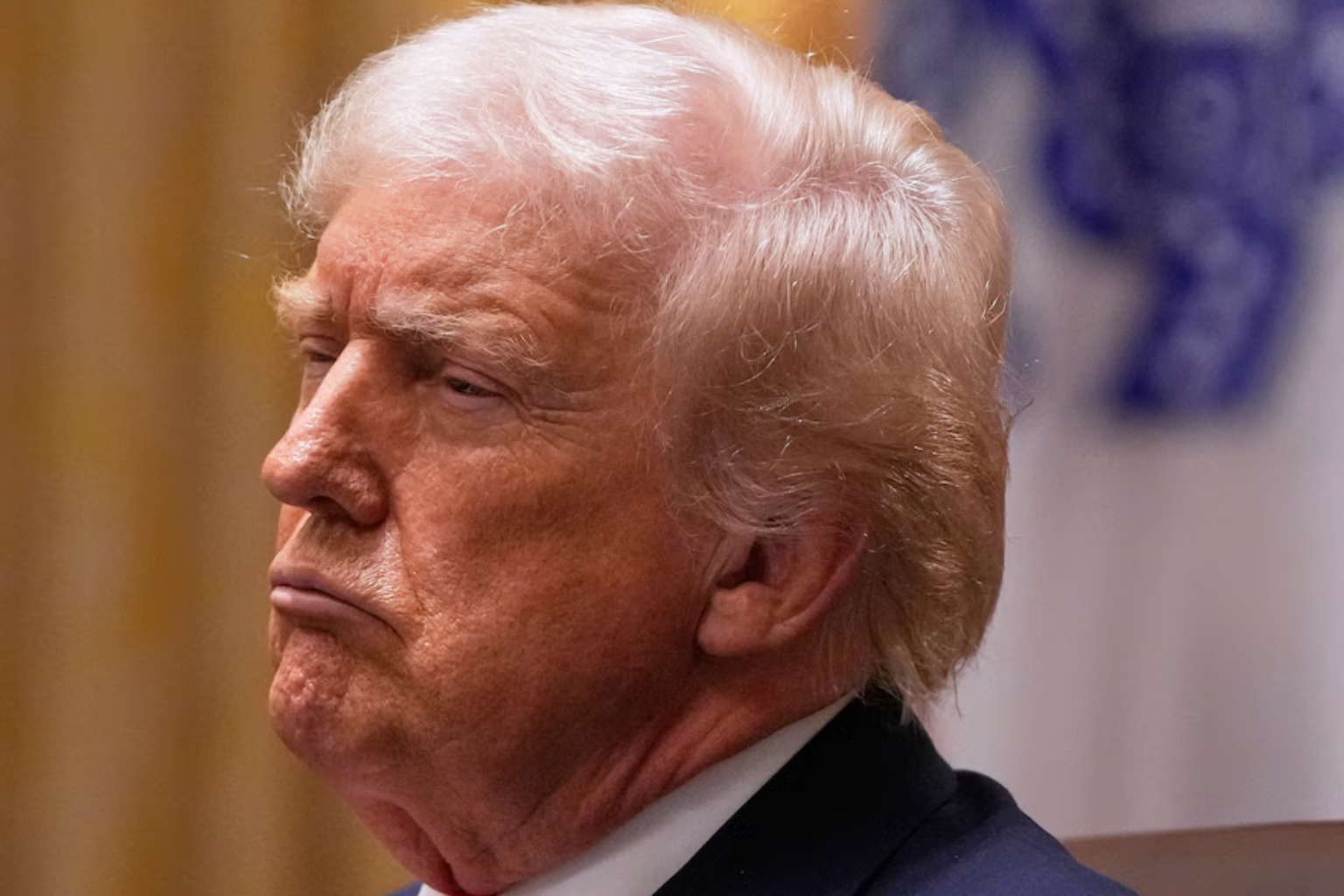
President Donald Trump introduced a new nickname for Democrats during a recent interview with Fox News host Sean Hannity, continuing a political style that has long included sharp personal attacks and memorable labels aimed at his opponents.
The comment came during an interview released Thursday night as Trump concluded his highly watched visit to China. While speaking with Hannity, Trump appeared unsure at first about revealing the phrase publicly, but eventually shared the nickname while discussing Democratic leaders and political tensions in Washington.
Trump said he plans to refer to Democrats as “Dumocrats,” explaining that the name was based on his view that Democratic leaders are “dumb.” During the conversation, he joked about slightly changing the spelling of the word “Democrats” to create the nickname. Hannity responded by saying Trump continues to dominate political discussions and public attention across the country.
The president later connected the phrase to House Minority Leader Hakeem Jeffries, whom Trump criticized repeatedly during the interview. Trump described Jeffries as a “low IQ individual” and claimed the Democratic leader inspired the nickname.
The latest exchange adds to a growing public feud between Trump and Jeffries that has intensified in recent weeks over redistricting battles and political rhetoric. Trump has recently targeted Jeffries over comments the New York congressman made while discussing election maps and Democratic political strategy.
The controversy centers on Jeffries’ use of the phrase “maximum warfare” during an April press conference about ongoing redistricting disputes. At the time, Jeffries said Democrats planned to continue putting pressure on Republicans across multiple states to push for what he described as fair congressional maps nationwide.
Trump and several Republican lawmakers later criticized the wording, arguing it contributed to heated political tensions. The president went even further in a Truth Social post, where he accused Jeffries of encouraging violence and claimed the Democratic Party was damaging the country.
The criticism escalated shortly after an armed suspect attempted to breach a security checkpoint during the White House Correspondents’ Association Dinner at the Washington Hilton on April 25. Authorities later took the suspect into custody before anyone inside the event was harmed. Trump appeared to connect Jeffries’ earlier “maximum warfare” comment to the incident, though Jeffries strongly rejected that interpretation.
In a later press conference, Jeffries defended his original statement and made clear that he condemns political violence in all forms. He argued that the phrase was related strictly to political strategy and redistricting battles, not violence or threats. Jeffries also pointed out that similar wording had previously appeared in reporting connected to Republican political operations.
The political clash highlights how campaign-style messaging and aggressive rhetoric continue to shape the national political environment ahead of the next major election cycle. Trump has frequently used nicknames and personal branding tactics against political rivals throughout his political career, often turning those phrases into central parts of rallies, interviews, and online messaging.
At the same time, Democrats and Republicans remain deeply divided over issues including election maps, congressional power, and the tone of modern political discourse. The latest remarks are likely to further intensify partisan debates as both parties prepare for upcoming national and state-level political battles.
While Trump supporters often view his language as direct and entertaining, critics argue that personal attacks and inflammatory rhetoric continue to increase political hostility across the country. Jeffries and other Democratic leaders have continued pushing back against those accusations while defending their own messaging strategies.
The exchange once again demonstrates how political branding and media appearances remain major tools in shaping public opinion during an increasingly polarized political climate in the United States.
Sources:
Fox News
Truth Social
The New York Times