Trump Signals Public Frustration as Iran Conflict Drags On, Removed Video Reveals
President Donald Trump privately acknowledged growing frustration among Americans over the ongoing U.S. involvement in the Iran conflict, according to remarks captured in a video that was later removed by the White House.
The comments were made during a closed-door Easter lunch at the White House, an event not open to the media. Although the official video was briefly uploaded online, it was quickly taken down without explanation. However, journalists had already recorded and shared the full footage, bringing attention to Trump’s candid assessment of public sentiment.
In his remarks, Trump openly recognized that many Americans are eager to see the conflict come to an end. He stated that while there may be strategic opportunities for the United States, including control over oil resources, public patience is wearing thin. He suggested that people are more focused on achieving a clear outcome and returning home rather than extending military involvement.
Trump indicated that although he personally saw value in maintaining a stronger position in the region, he understood the public’s desire for a quicker resolution. He added that the U.S. has sufficient oil resources through its own production and partnerships, reducing the urgency of prolonged engagement abroad.
These private comments came just hours before Trump delivered a national address in which his tone appeared more forceful. In that speech, he emphasized what he described as strong military progress and warned of intensified action against Iran in the coming weeks. However, he stopped short of offering a clear timeline for when the conflict might end, leaving uncertainty around the duration of U.S. involvement.
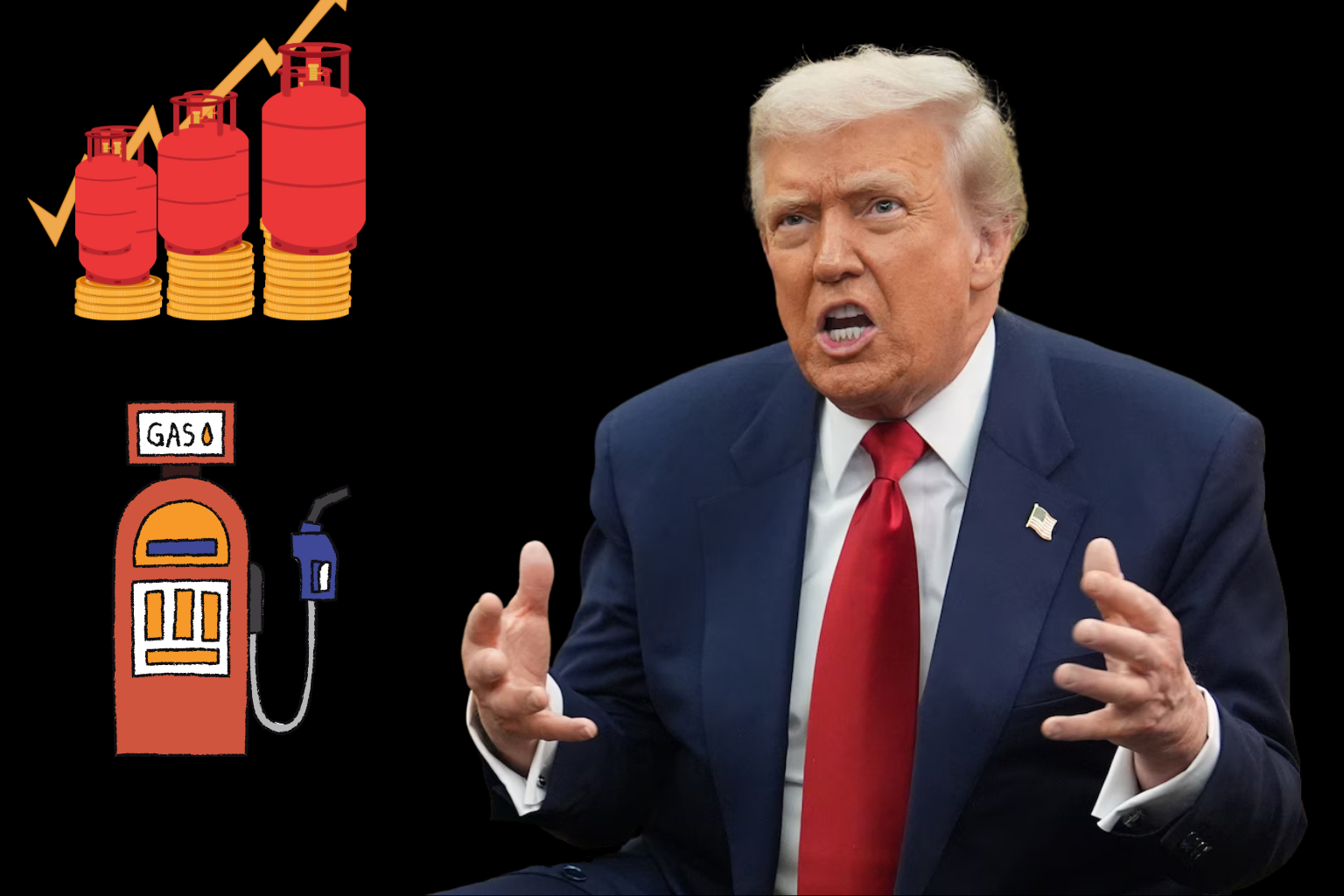
At the same time, economic concerns are becoming a major issue for Americans. Rising gas prices have added pressure on households, with many linking the increase to the ongoing conflict. A key factor behind the surge is Iran’s closure of the Strait of Hormuz, a crucial global route for oil transportation. This disruption has contributed to a sharp increase in global oil prices, which has directly impacted fuel costs in the United States.
Over the past month, gas prices have risen significantly, placing financial strain on families across the country. Trump addressed these concerns in his national speech, describing the increase as temporary and expressing confidence that prices would fall once normal oil flow resumes.
Despite these reassurances, public dissatisfaction appears to be growing. Recent polling shows a high level of disapproval regarding how gas prices are being handled, with many Americans reporting financial hardship as a result of rising costs. A notable portion of those surveyed described the impact as severe, highlighting the broader economic effects of the conflict.
Trump’s private remarks, combined with public data, reflect a growing gap between military messaging and domestic concerns. While the administration continues to highlight battlefield developments, everyday Americans are increasingly focused on economic stability and a clear path forward.
The situation underscores the challenges facing leadership during extended conflicts, particularly when economic pressures begin to affect daily life. As the war enters its second month, the lack of a defined endpoint continues to raise questions among the public, making it a critical issue in both political and economic discussions.
Sources:
White House
CNN
SSRS Polling Data
CNBC