
Trump Approval Rating Falls to Record Low as Voters Shift Ahead of 2026 Midterms
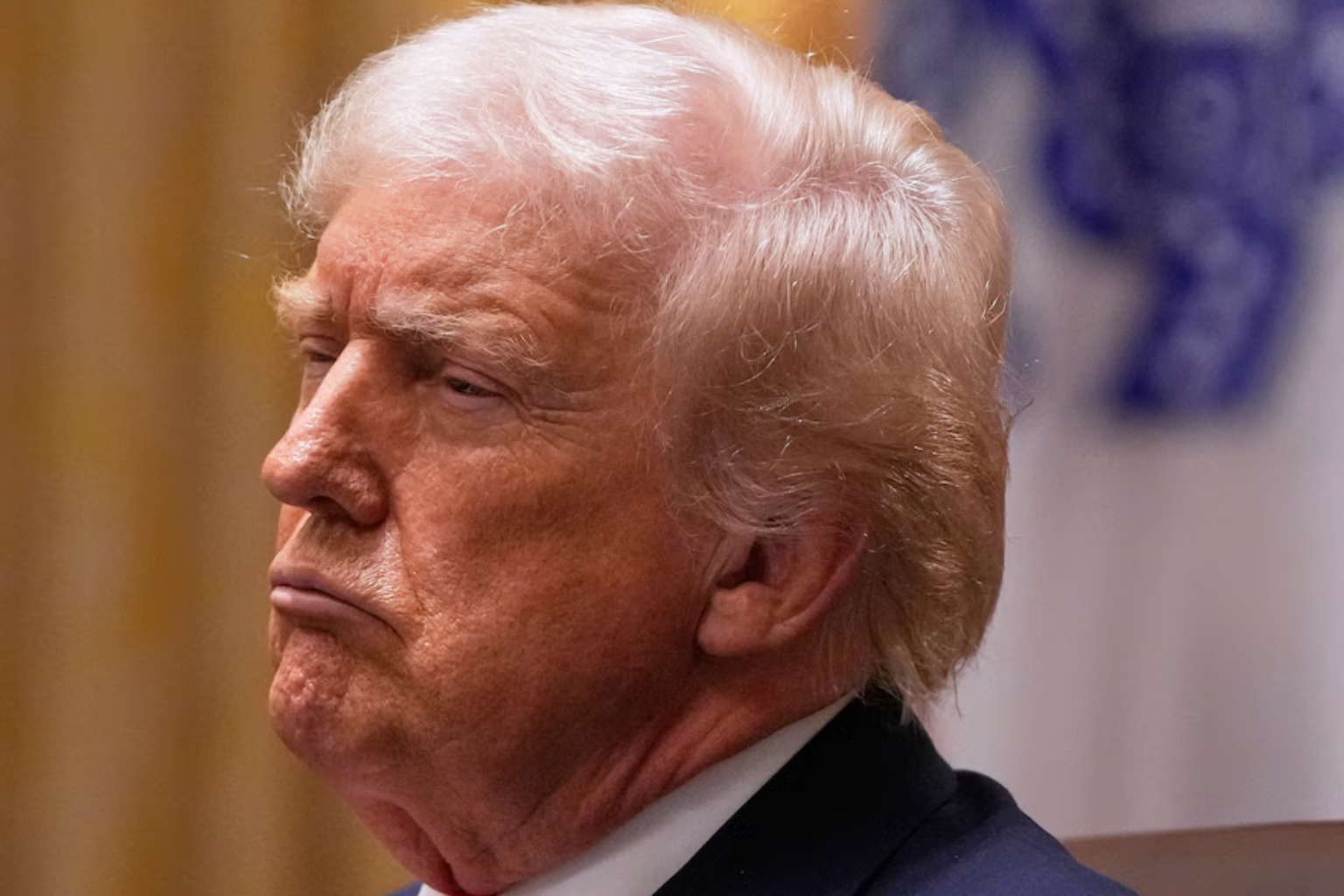
President Donald Trump is facing one of the weakest approval ratings of his political career, according to a newly released New York Times/Siena College poll that suggests growing voter dissatisfaction on several major national issues.
The survey, released Monday, found Trump’s job approval rating at 37%, marking the lowest level recorded in any New York Times/Siena poll conducted during both of his presidential terms. The figure reflects a four-point decline since January and places Trump in a difficult political position at a time when the country is already focused on the upcoming 2026 midterm elections.
The poll also showed that 59% of respondents disapprove of Trump’s performance in office, leaving him with a negative net approval rating of 22 percentage points. Analysts described the numbers as historically significant in today’s deeply divided political environment, especially because approval ratings below 38% have been rare for American presidents over the past 17 years.
The survey points to growing concerns among voters over the rising cost of living and the administration’s handling of tensions involving Iran. According to the poll analysis, these issues may continue to place additional pressure on Trump’s approval numbers in the coming months if economic concerns and international instability remain in focus for voters.
Trump also received negative ratings on several key issues that have defined much of his presidency. The results suggest that public frustration is extending beyond one single issue and affecting broader views of the administration’s leadership.
The poll arrives as both political parties intensify preparations for the 2026 congressional elections. Democrats currently hold a strong advantage among registered voters surveyed about which party’s congressional candidate they would support in their local district. The poll found Democrats leading Republicans by 50% to 39%, a considerably larger gap than earlier in the election cycle, when Democrats maintained only a narrow lead.
The advantage for Democrats was also visible among voters who described themselves as highly likely to participate in the election. The findings could increase concerns among Republican strategists as they work to maintain party support ahead of a critical election season that could determine control of Congress.
At the same time, the survey highlighted continuing problems for Democrats despite their lead in congressional preference. Only 26% of voters said they were satisfied with the Democratic Party overall. Internal dissatisfaction was also notable among Democratic voters, with 44% expressing discontent with party leadership. By comparison, 23% of Republican voters reported dissatisfaction with Republican leadership.
Financially, Republicans still maintain a major fundraising advantage heading into the midterm cycle. According to the report, the Republican National Committee reported $78.2 million in cash on hand during the first quarter, while Democrats reported $45.3 million.
The poll was conducted nationwide between May 11 and May 15 among 1,507 registered voters. Researchers stated that the survey carries a margin of error of plus or minus 2.8 percentage points.
The latest findings show an increasingly competitive political environment as both parties prepare for the next phase of the national election cycle. With economic concerns, international conflicts, and voter dissatisfaction shaping public opinion, both Republicans and Democrats are likely to face mounting pressure in the months ahead.
Sources:
The New York Times
Siena College Polling Research