Paterson Expands 24-Hour Naloxone Access With New Public Kiosks to Fight Overdose Crisis
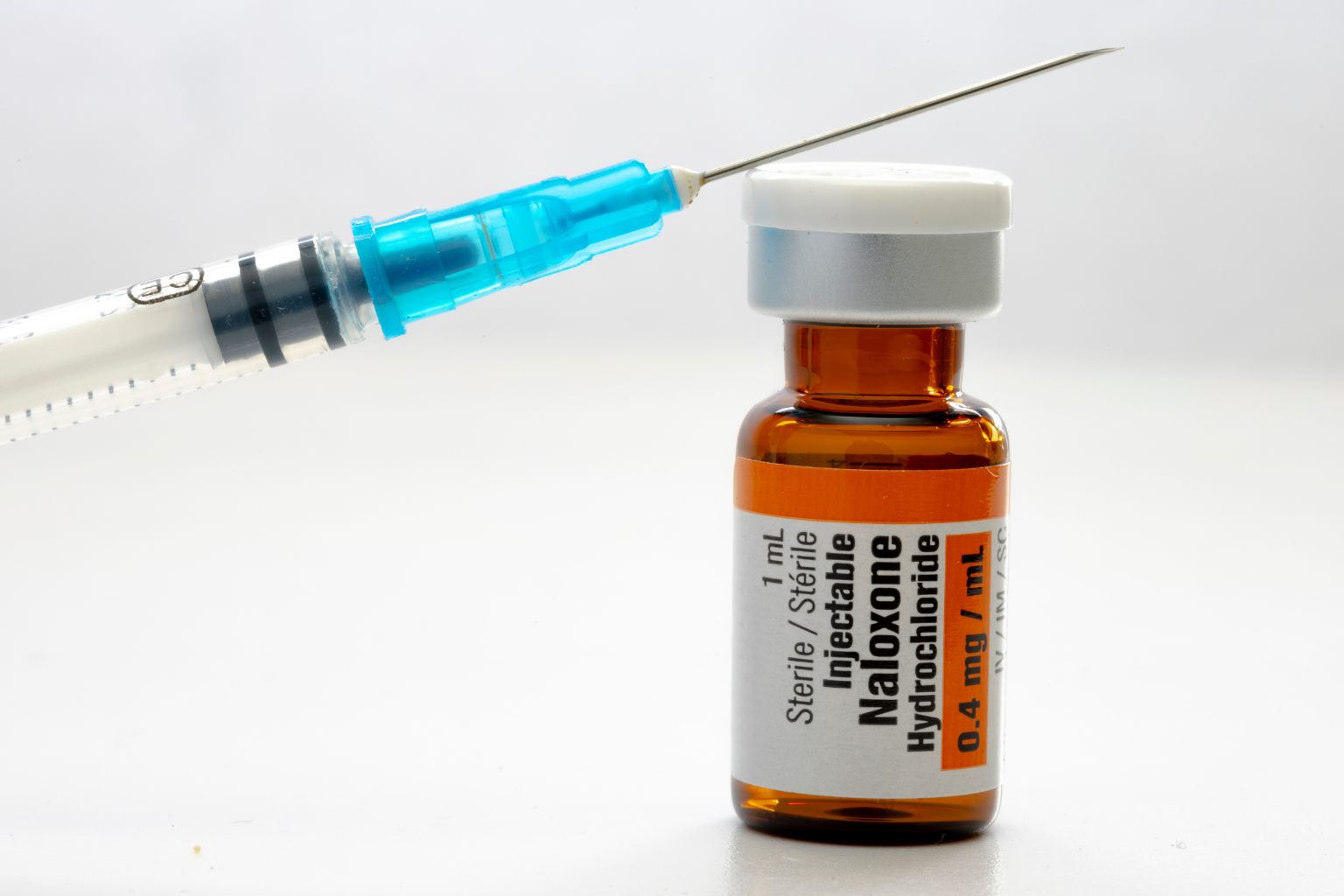
Paterson is expanding access to life-saving overdose medication by placing self-serve naloxone kiosks across the city, part of a growing local effort to reduce opioid-related deaths and improve emergency response in vulnerable neighborhoods.
The new kiosks, organized through Black Lives Matter Paterson, provide free naloxone kits that residents can access at any time of the day. Naloxone, commonly known by the brand name Narcan, is a medication used to quickly reverse opioid overdoses. Community leaders say the goal is simple: make help available immediately when every second matters.
One of the newest kiosks has been installed near a busy 7-Eleven location in Paterson, where foot traffic remains high throughout the day. The city now has five naloxone kiosks in operation, with organizers already planning a sixth site due to strong public demand.
Residents familiar with the city’s ongoing drug crisis say the kiosks are badly needed. A local woman identified only as Anna described how overdoses frequently happen in public places, including restaurant bathrooms and neighborhood streets. She recalled previously using naloxone herself to help save someone experiencing an overdose emergency.
Paterson, located in Passaic County, continues to face serious challenges tied to opioid addiction and illicit drug use. According to New Jersey health data, Passaic County ranked among the state’s highest counties for accidental fatal overdoses involving opioids and other illegal substances in 2024. Paterson alone recorded more than 100 overdose deaths during that period.
Community advocates say the biggest issue is access. While harm reduction centers already exist in the city, many operate only during daytime weekday hours. Organizers behind the kiosks believe addiction emergencies do not follow schedules, which is why around-the-clock availability is critical.
Each naloxone kiosk can store about 50 boxes of overdose-reversal medication. Organizers say some locations were emptied within days after installation, showing how urgently residents need these supplies. The medication can be difficult or expensive for many people to obtain, especially for those struggling with addiction, homelessness, or unstable living conditions.
Black Lives Matter Paterson has also been sending outreach teams into neighborhoods to educate residents about overdose prevention and proper naloxone use. Harm reduction workers say they are trying to remove the stigma surrounding addiction while encouraging people to protect one another during emergencies.
One outreach specialist, identified only as Jei, said many overdose reversals happen because ordinary residents step in before emergency responders arrive. According to community workers, people living in affected neighborhoods often rely on each other during after-hours situations when formal support services are unavailable.
Health workers involved in the outreach effort also warned about the growing danger of fentanyl and other hidden additives being mixed into street drugs. Specialists say many users do not realize the substances they consume may contain deadly chemicals. Even a tiny amount of fentanyl can become fatal.
Another outreach worker, Tori Sutera, said the crisis has changed significantly over the years. She explained that substances once sold as heroin are now increasingly mixed with stronger synthetic chemicals, creating far greater overdose risks for users who may not understand what they are taking.
Across the United States, overdose deaths have recently started to decline after reaching record highs earlier this decade. Public health experts have linked the improvement to expanded naloxone distribution, increased addiction treatment programs, stronger public awareness campaigns, and wider harm reduction efforts.
New Jersey has also seen a downward trend in overdose fatalities in recent years. State officials previously launched a large naloxone distribution initiative designed to increase public access to the medication through pharmacies, community groups, shelters, libraries, recovery centers, and harm reduction organizations.
Under the statewide program, free naloxone doses are available anonymously to eligible residents at hundreds of participating pharmacies. Mobile and fixed harm reduction centers also continue providing overdose prevention education, sterile syringes, recovery support, and addiction treatment referrals.
Despite progress statewide, local advocates in Paterson say the crisis is far from over. Organizers believe the kiosk program is helping fill an important gap by giving residents direct access to emergency overdose medication without appointments, paperwork, or delays.
Supporters of the initiative argue that making naloxone easier to access could save more lives in neighborhoods heavily impacted by opioid addiction. As overdose risks continue evolving with the spread of fentanyl and other synthetic substances, community groups say fast public access to overdose reversal medication remains one of the most effective tools available.
Sources:
New Jersey Department of Health
Centers for Disease Control and Prevention
NJ Spotlight News
Mosaic.NJ.com