
New Jersey Gas Prices Climb as Global Oil Disruptions Deepen Amid Escalating Iran Conflict
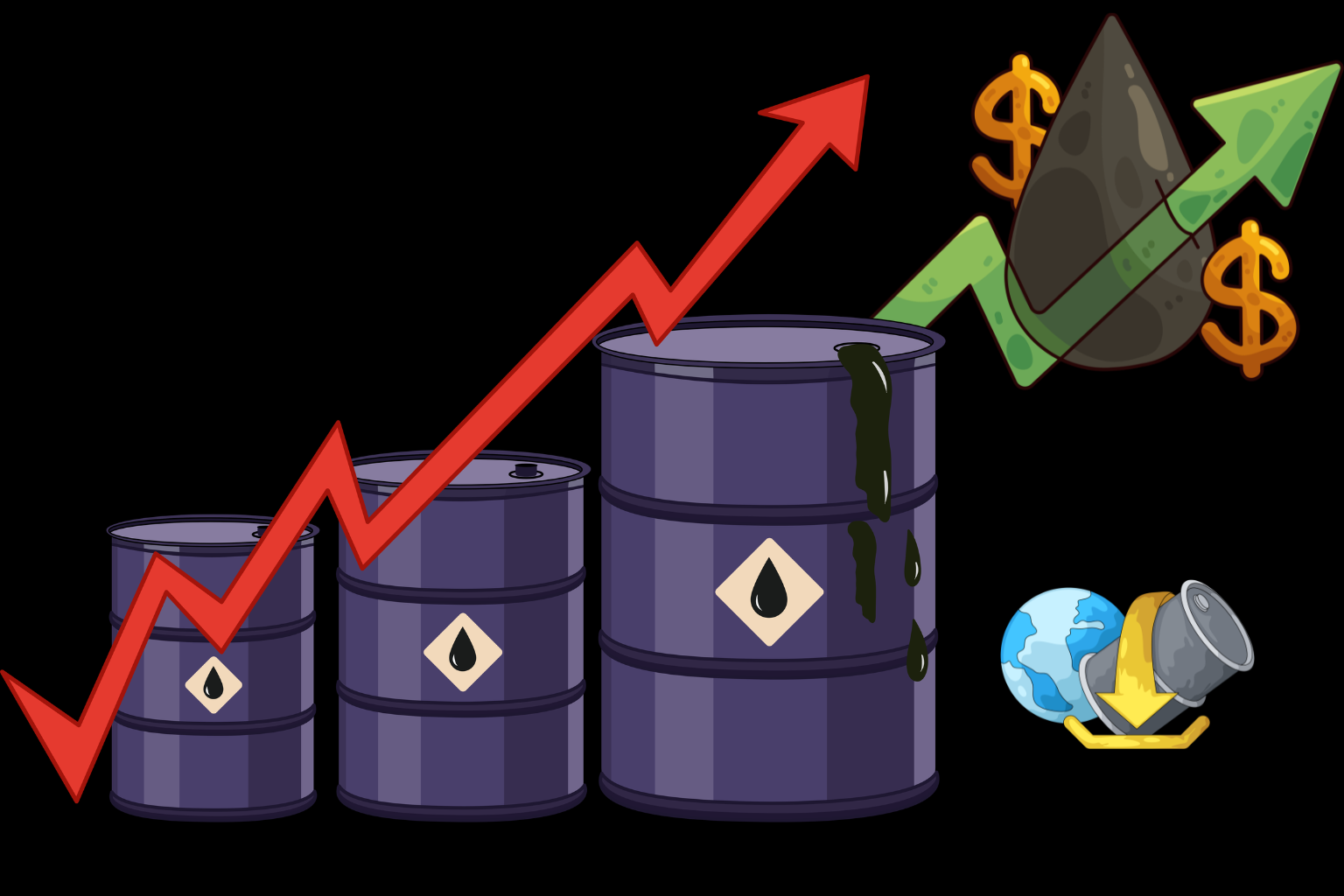
Gas prices in New Jersey are starting to climb, but industry analysts caution that this might just be the beginning of a far bigger energy problem brought on by the prolonged conflict with Iran and its increasing influence on the world’s oil supply.
The current state of affairs poses one of the biggest risks to global energy stability in decades, according to veteran energy market expert Tom Kloza. He has been monitoring the oil markets since the 1970s, and he says the disruption is much bigger than previous crises like the Gulf War, the Arab Oil Embargo, and even the current Russia-Ukraine crisis. The potential for a broader regional escalation that could worsen already precarious energy systems is now a concern in addition to supply disruptions.
The Strait of Hormuz, a vital international oil conduit that has been essentially closed for more than three weeks, lies at the heart of the situation. About 20% of the world’s oil and gas supply is normally transported over this small river. Millions of barrels of crude oil and processed goods have already been taken off the world market every day as a result of its disruption. The loss is substantial and continues to drive up prices globally, even though some supply lines are being modified.
Experts stress that the full effects of these disruptions take time to manifest. Due to the length and complexity of oil supply lines, shortages may not fully impact markets like the US for more than a month. The United States and other areas farther from the Persian Gulf have so far experienced a delayed impact. But in the upcoming weeks, it’s anticipated that the effects will become more apparent.
The price of crude oil has already responded dramatically. While some foreign purchasers have paid much higher rates for actual shipments, U.S. benchmark prices are hovering around $100 per barrel. According to reports, tanker supplies in Asian markets have seen prices as high as $173 a barrel, demonstrating a glaring discrepancy between paper pricing and actual supply costs.
Due to high inventory levels earlier in the year, gas prices in New Jersey have stayed relatively constant thus far despite these challenges. This stability might not endure, though. Prices are anticipated to increase further when the market shifts to summer gasoline mixes, which are more costly to produce. Analysts suggest that gas prices could soon reach around $4 per gallon across the state, with noticeable increases already beginning as spring starts.
Diesel fuel is becoming a more significant issue. With national averages surpassing $5.25 a gallon and New Jersey prices rising even further, costs have skyrocketed. In a brief amount of time, the price per gallon has increased by more than $1.70. Diesel prices currently have a good chance of approaching or possibly surpassing the previous record highs set in 2022.
There are wider economic ramifications to this increase in diesel prices. Agriculture and trucking, two sectors that rely significantly on fuel, are already under strain. Increased farming and shipping expenses frequently result in higher pricing for commonplace items, such as food. As these effects spread throughout the supply chain, consumers may soon notice an increase in food store prices.
It is also anticipated that air travel will become more costly. The cost of jet fuel has skyrocketed, with some markets paying nearly $200 per barrel. Flight costs will probably be impacted by this hike, particularly at large airports that serve the New Jersey and New York region. In the near future, travelers may have to pay more for tickets as airlines adapt to growing fuel costs.
Some industries are profiting from the current circumstances, while many others are having difficulties. Because they can obtain crude oil at comparatively lower prices than in other countries, American oil producers and refiners are enjoying robust profit margins. Large retail chains and financial institutions are also benefiting from rising fuel sales and transaction volumes.
However, independent, smaller petrol stations are among the most severely affected. These companies frequently find it difficult to compete with big-box retailers who offer lower fuel costs. Smaller businesses risk losing both sales volume and client loyalty as consumers search for less expensive solutions. Rising expenses are posing serious financial issues for haulage companies, airlines, and multinational refiners.
With continuous dangers of additional escalation in the Middle East, the situation is still very unpredictable. Experts caution that the global oil system may suffer even more dire repercussions if interruptions extend to other important shipping lanes, like those in the Red Sea.
The message is obvious to residents of New Jersey: the price increases that are currently occurring might just be the start. Fuel prices, travel expenses, and common commodities are all anticipated to rise in the coming months as global supply concerns continue to intensify.