New Jersey Budget Debate: Why a Sales Tax Increase Is Off the Table — For Now

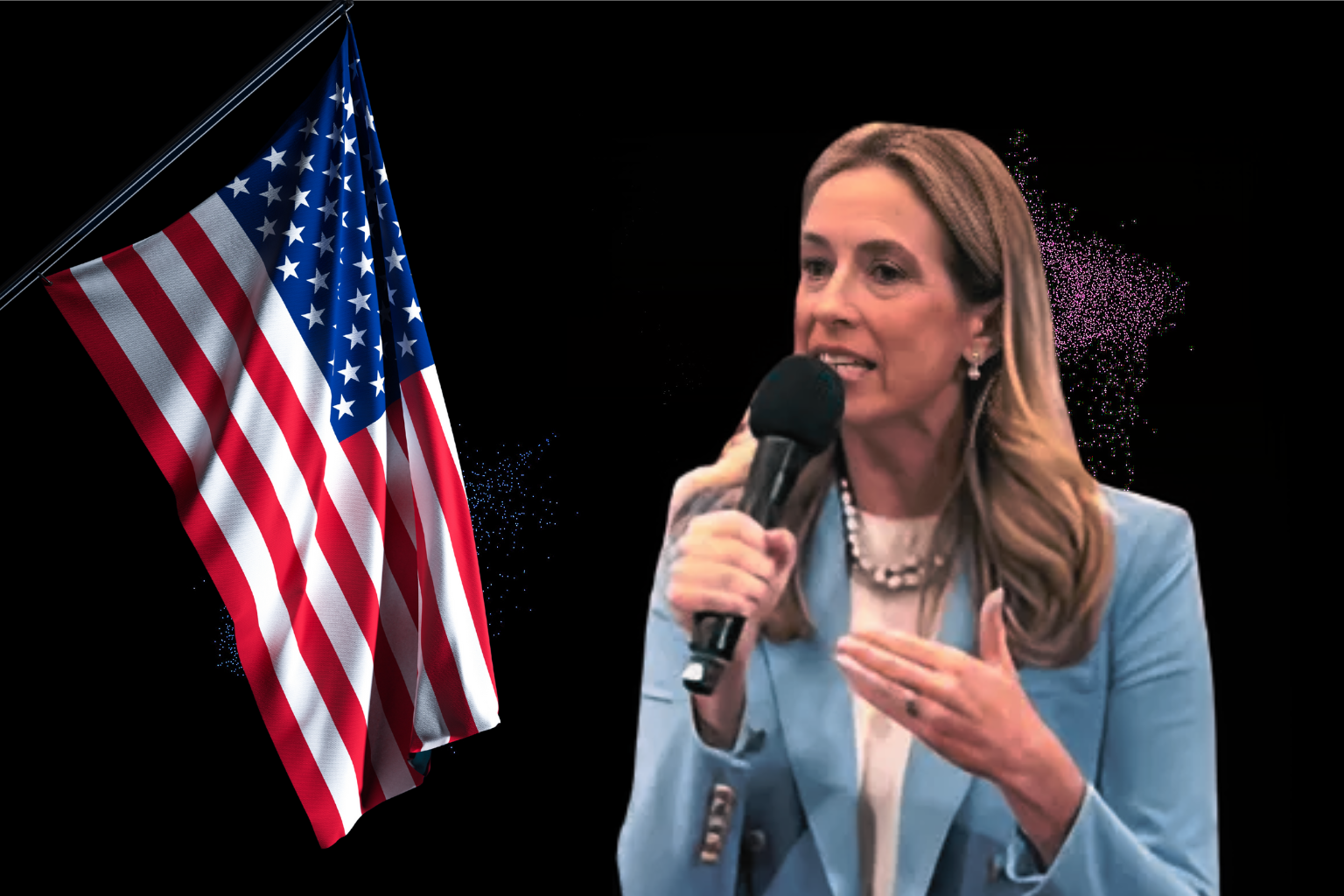
As Governor Mikie Sherrill prepares a new state budget, one subject has quietly dominated Trenton and kitchen table conversations: Will taxes rise?
Currently, no.
The new governor and her administration have stated that raising taxes, especially the state sales tax, is not part of their affordability plan. Several insiders say lawmakers face a difficult and even unpredictable budget year.
On March 10, Sherrill will present her first state budget. Her government will explain how it will manage expenditures without raising property taxes on residents who currently pay some of the highest rates in the nation.
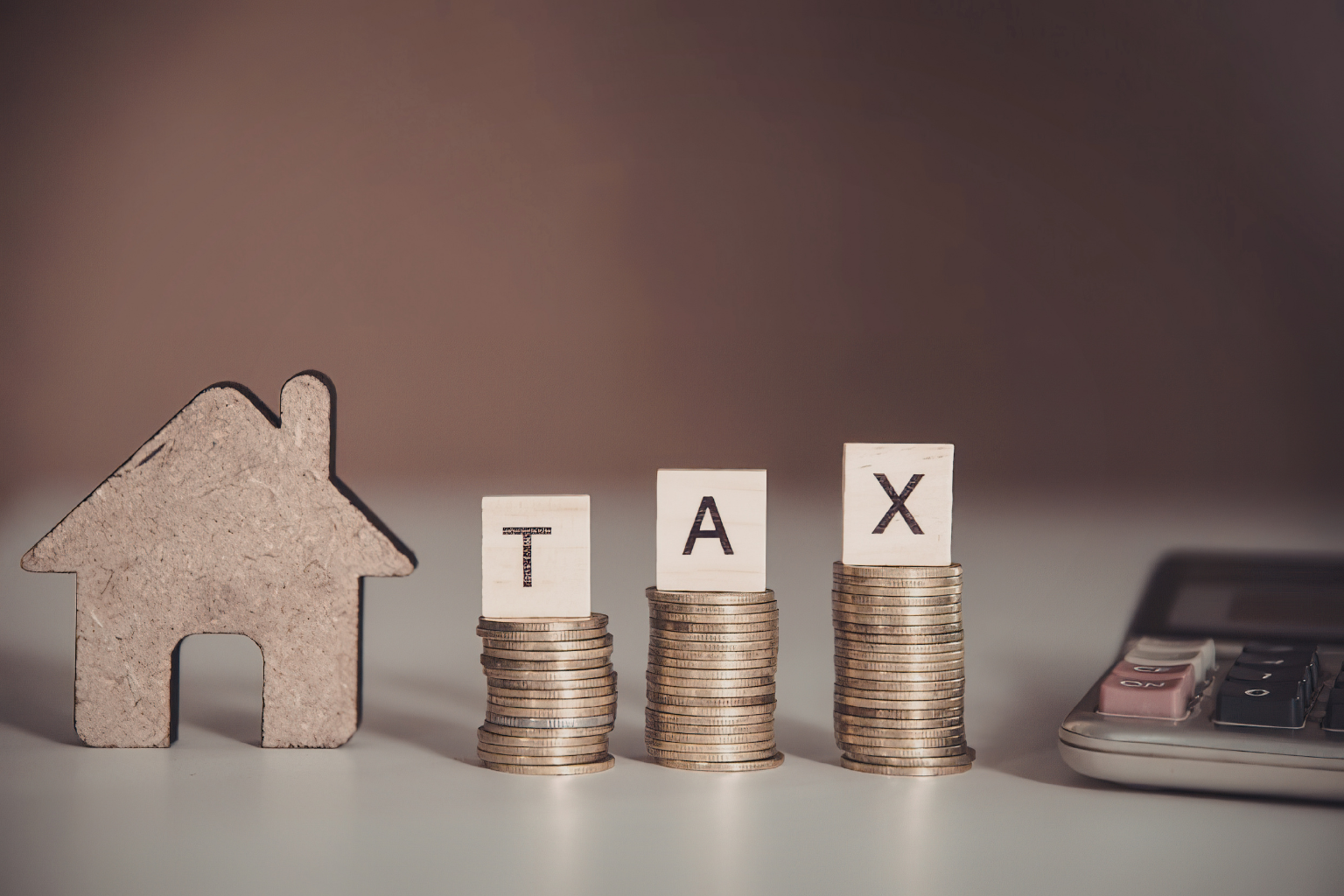
New Jersey’s average property tax payment topped $10,000 again in 2025. Although local governments establish property taxes, state laws affect school financing and municipal aid, which can alter homeowners’ payments. Last year’s heated governor’s election, when affordability was a major campaign theme, reminded voters of the sensitivity of taxes.
While running, Sherrill consistently promised not to raise the sales tax. Her opposition to a sales tax hike and rising New Jersey expenditures was voiced in December. She confirmed that promise when her state treasurer candidate, Aaron Binder, informed the Senate Judiciary Committee that tax increases are not in the administration’s agenda. Instead, he suggested spending cuts.
While the lame-duck session was underway, some Democratic lawmakers discussed lowering the sales tax from 6.625% to 7%. Former Governor Chris Christie’s 2016 bipartisan decrease would have been reversed.
An old notion. In his early budget plans, former Governor Phil Murphy called the sales tax cut a gimmick and restored it. Supporters said raising the rate to 7% could raise over $800 million in income while costing the average family less than $100. Moderate lawmakers opposed the measure, which failed.
Recent lame-duck discussions did not reach a formal vote in either chamber of the Legislature, according to various insiders. Sources said the concept was covertly considered to boost state revenue before the new administration took office. Others say lawmakers discussed it extensively but didn’t agree.
Finally, Senate President Nick Scutari and Assembly Majority Leader Lou Greenwald explicitly rejected sales tax increases last fall. Her team cited Sherrill’s campaign vow against the increase. Assembly Democrats, particularly those who won recent elections, reportedly opposed the measure.
Political analysts say the timing complicated the situation. A tax raise before entering office would have tainted an incoming governor’s affordability campaign. Meanwhile, policymakers anticipated budgetary pressures.
Potential federal grant reductions, rising public-worker health care expenses, and a less predictable economy after years of steady spending increases threaten the state budget. Sherrill also called $128 million in last-minute spending a “feeding frenzy” before taking office. Her government cautioned that such expenditure could increase the budget gap.
Many insiders feel the sales tax battle is over for this budget cycle. According to a Democratic source, the chance to reform has passed. Negotiations will focus on expenditure restrictions and structural changes rather than new revenue streams because the final budget is due July 1.
After Murphy’s continuous payments to the state’s long-underfunded public-worker pension system, Sherrill plans to continue doing so. She also backs ANCHOR and Stay NJ property tax reduction initiatives.
However, the $1 billion Stay NJ property tax reduction program for most seniors, which begins this year, may spark discussion. Reducing the program’s $500,000 income qualifying level might reduce costs and improve state finances, according to lawmakers and fiscal specialists. Any major change requires legislative consensus and Assembly leadership approval.
Republican members doubt Democrats will be able to reduce spending without raising taxes. However, some Democratic insiders warn that while this year’s budget may be doable, structural adjustments may be needed in the following fiscal year.
Besides taxes, Sherrill’s first weeks in office have been marked by her immigration enforcement efforts. In executive orders, she established a state portal where residents could contribute videos and images of ICE activities and restricted ICE agents from entering non-public state property without a warrant. National debate and strong reactions from supporters and critics, including DHS and ICE officers, have followed the developments.
The state monitors federal funding for key infrastructure projects like the Gateway Tunnel. An appeals court declined to overturn a federal judge’s temporary stay on project funding. The administration later announced $30 million in assistance.
As politics unfold, attention is on the March 10 budget address. That proposal will reveal Governor Sherrill’s fiscal responsibility-affordability strategy.
New Jersey citizens are unlikely to see a sales tax increase soon, despite rumors and internal debates. With property taxes among the highest in the nation and budget pressures rising, the debate over how to support state priorities without raising citizens’ taxes continues.