Mike Trout’s Dominance Exposes Yankees’ Growing Concerns Despite Early Promise
The New York Yankees’ recent struggles continued to raise serious questions about the team’s direction, as a difficult series against the Los Angeles Angels highlighted deeper issues beyond just a few losses. What began as a promising 7-1 start has quickly faded, with the Yankees now sitting at 10-9 after dropping seven of their last nine games.
While the series ended in a split, the outcome could have been far worse for New York. The Yankees were narrowly saved from a sweep due to two blown saves by Angels closer Jordan Romano. Without those late-game collapses, the team might have been staring at a significantly longer losing streak. This context has made recent positive remarks from manager Aaron Boone appear disconnected from what is unfolding on the field.
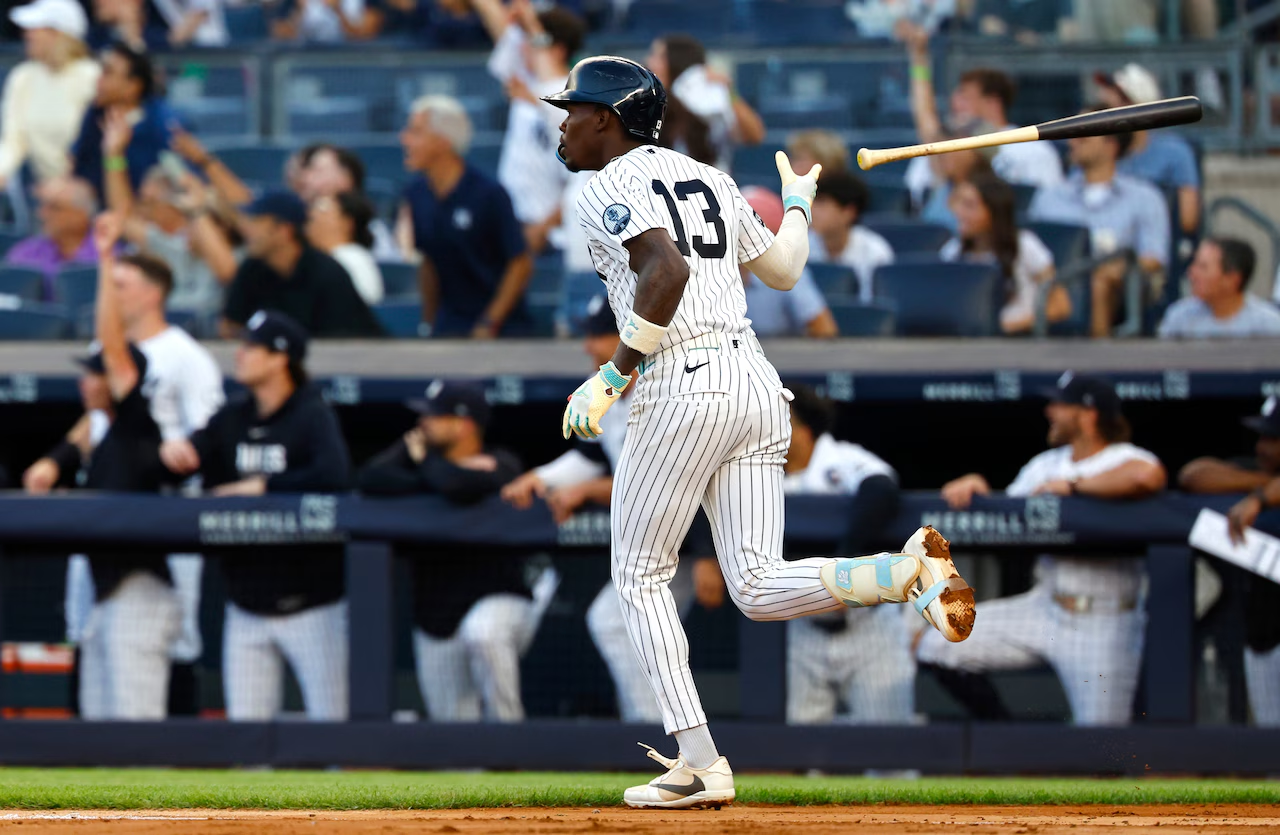
One of the biggest takeaways from the series was not just the Yankees’ inconsistency, but the exceptional performance delivered by Mike Trout. The veteran outfielder put on a historic display, hitting home runs in four consecutive games at Yankee Stadium. In total, Trout recorded five home runs against the Yankees during the series, outperforming even Aaron Judge, who also had an impressive stretch with four home runs.
Trout’s performance stood out not only because of the numbers, but also because of its timing. His dominance came at a moment when the Yankees were already showing signs of weakness. Even Judge openly praised Trout, calling him the greatest player of all time and acknowledging the consistency he has shown throughout his career. Trout, however, remained focused on his own approach, explaining that he felt increasingly comfortable at the plate as the series progressed.
Beyond Trout’s brilliance, the Yankees’ problems were difficult to ignore. Their offense has been heavily dependent on a small group of players, mainly Judge, Giancarlo Stanton, and Ben Rice. Outside of these names, the lineup has struggled to produce consistently, leaving the team vulnerable, especially against left-handed pitching. Current numbers show the Yankees hitting just .160 against lefties, with very limited power production coming from anyone other than Judge.
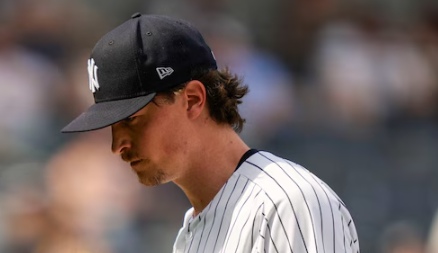
Pitching has also become a concern. The bullpen has been unreliable, allowing 14 runs over 18 innings in the Angels series alone. Starting pitching, expected to provide stability, has also shown cracks. Max Fried, currently acting as a key figure in the rotation due to Gerrit Cole’s absence, was unable to deliver in a crucial game. He allowed five earned runs over just over five innings, failing to control the game when the team needed him most.
The game quickly slipped away early, beginning with a two-run home run by former Yankee Oswald Peraza. That moment set the tone and opened the door for the Angels to take control. From there, the Yankees struggled to regain momentum, and the energy inside the stadium reflected that decline. By the later innings, many fans had already left, signaling growing frustration with the team’s performance.
There are also concerns about decision-making within the team. Boone’s reliance on a strict platoon system has drawn criticism, especially when it results in key hitters being benched in important situations. Decisions such as sitting productive players in favor of less effective matchups have raised questions about flexibility and in-game adjustments.
According to league observers, the Yankees currently lack the intensity and identity that typically define the franchise. One scout noted that something feels missing, suggesting the team is not playing with its usual confidence or edge. This lack of energy has become increasingly noticeable as losses continue to pile up.
While it is still early in the season and a turnaround remains possible, the current trend is concerning. The Yankees have shown flashes of their potential, but inconsistency across offense, pitching, and management decisions is preventing them from maintaining any momentum. The contrast between their strong start and current form suggests underlying issues that need immediate attention.
At the same time, Mike Trout’s performance served as a reminder of what elite consistency looks like at the highest level. His ability to deliver under pressure and maintain focus throughout the series stood in sharp contrast to the Yankees’ struggles, making his impact even more significant.
As the season progresses, the Yankees will need to address these weaknesses quickly if they hope to compete at the level expected of them. For now, the spotlight remains not only on their losses, but on the questions those losses continue to raise.