Megyn Kelly Urges Trump to Distance Himself From Sen. Lindsey Graham Amid Iran War Debate
Conservative commentator and former Fox News host Megyn Kelly has strongly criticized Republican Senator Lindsey Graham and publicly urged former President Donald Trump to keep his distance from the South Carolina lawmaker. Her remarks came during a recent episode of her podcast, where she sharply condemned Graham’s position on the ongoing conflict involving the United States, Israel, and Iran.
Kelly’s comments reflect growing tensions within conservative circles over how the United States should approach the escalating situation in the Middle East. During the podcast discussion, she accused Graham of pushing aggressive military actions and warned that his influence could have serious consequences.
Speaking candidly, Kelly argued that Graham had played a major role in encouraging military escalation against Iran. She claimed that the senator had been advocating for strikes on Tehran even before the United States and Israel carried out a joint operation that reportedly killed Iran’s Supreme Leader, Ali Khamenei, on February 27. According to Kelly, Graham’s consistent calls for military intervention show a pattern of support for expanding conflicts rather than pursuing restraint.
In the podcast episode, Kelly used particularly harsh language to describe the senator’s stance. She characterized him as someone driven by a relentless desire for military confrontation and suggested that his views make him a dangerous voice in foreign policy discussions. Kelly directly appealed to Trump, asking him to limit Graham’s influence and prevent him from shaping decisions related to the conflict.
Kelly’s criticism did not stop there. She said the senator should not be allowed anywhere near the decision-making circle around Trump. She argued that the United States should not allow voices that constantly promote war to guide the country’s strategic choices. While making her remarks, Kelly acknowledged that Trump himself appears supportive of the current war efforts, but she insisted that Graham’s involvement represents a negative force in American politics.
Reports have indicated that Graham spent considerable time urging Trump to approve military strikes against Iran. The senator reportedly began promoting the idea shortly after the 2024 election and continued lobbying the former president in the months that followed. His efforts reportedly included multiple visits to Israel, where he spoke with officials and advised Prime Minister Benjamin Netanyahu on how to communicate effectively with Trump regarding the conflict.
According to those reports, Graham told journalists that Israeli officials sometimes shared intelligence with him that he believed his own government had not provided. Those interactions appear to have strengthened his support for aggressive action in the region and further fueled his calls for military strikes.
Kelly is not the only prominent conservative figure raising concerns about Graham’s role in the debate. Meghan McCain, the daughter of late Republican Senator John McCain, also publicly urged members of the Trump administration to distance themselves from Graham. In a message posted on social media, McCain said she had known Graham since childhood and warned that his public appearances were creating fear among Americans. She argued that sending him out as a spokesperson for the administration’s message on the Iran war was causing damage to the broader narrative being presented to the public.
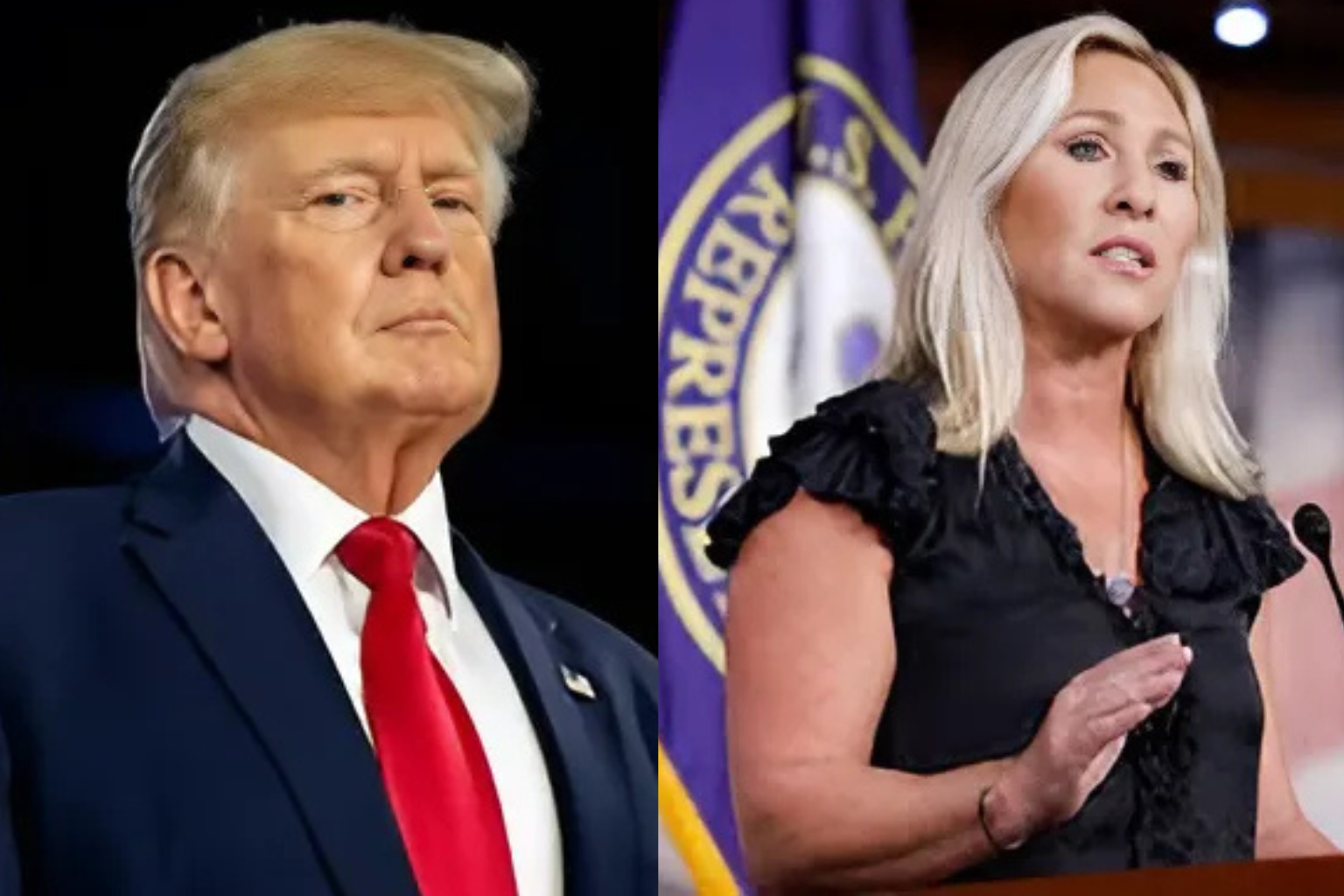
Another Republican voice criticizing Graham is former Georgia Representative Marjorie Taylor Greene. Once considered a strong ally of Trump, Greene recently expressed frustration with several Republican figures whom she believes are pushing the country toward further military conflict. In her social media comments, Greene grouped Graham together with other conservative personalities and accused them of supporting what she described as war policies that could eventually require drafting American citizens.
Greene’s remarks highlighted a growing divide among conservative leaders and commentators about the direction of U.S. foreign policy. While some Republicans support strong military action, others argue that continued involvement in overseas conflicts could place unnecessary risks on American families.
Despite the criticism coming from parts of the conservative media landscape, Trump appears to remain supportive of Graham. Reports indicate that the former president recently contacted the senator to praise his television appearances defending the war effort against Iran. That praise suggests that Graham’s views may still hold influence in Trump’s political circle, even as other conservative voices push back against his approach.
The debate surrounding Graham’s role underscores broader disagreements within the Republican movement about how the United States should respond to international conflicts. Some leaders believe aggressive action is necessary to protect national interests and allies, while others warn that expanding military engagements could lead to long-term consequences.
As tensions in the Middle East continue to evolve, discussions within conservative media and political circles are likely to intensify. Kelly’s sharp criticism, combined with similar concerns voiced by other prominent figures, highlights the growing pressure on political leaders to carefully consider the voices shaping U.S. foreign policy decisions.
For now, the public disagreement between influential conservative personalities shows that even within the same political movement, there are sharply different views about war, diplomacy, and the role the United States should play on the global stage.