
ICE Medical Isolation Case Sparks Concern as Detainee Reports Severe Health Decline and Limited Access to Care
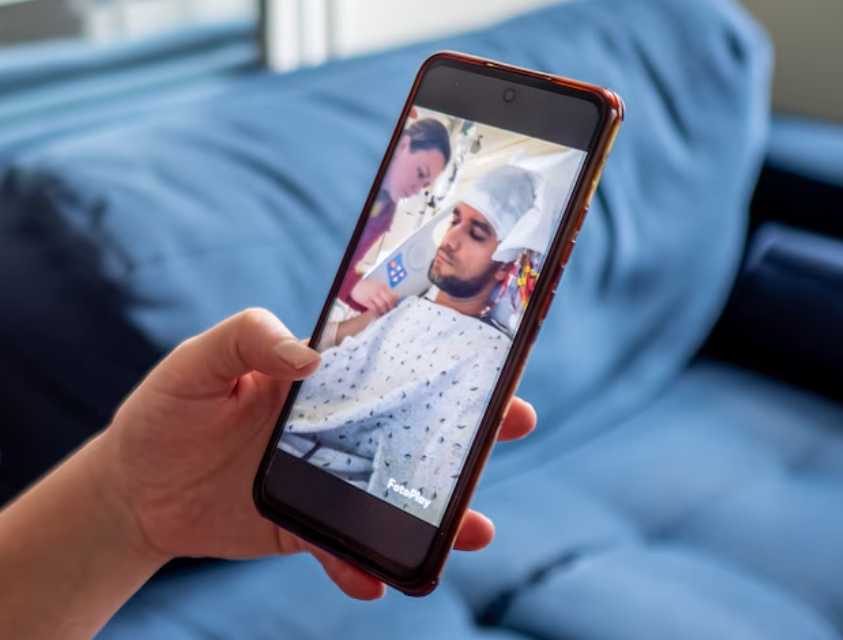
A Brazilian national detained by U.S. immigration authorities has raised serious concerns about his health and living conditions after spending more than 100 days in what he describes as isolation inside a New Jersey detention facility. The case has drawn attention from legal representatives, advocacy groups, and some members of Congress who recently visited the center.
The detainee, identified as Emanuel Rodrigues, was taken into custody last year by federal immigration officers outside his residence in Newark, shortly before the holiday season. He had reportedly overstayed a tourist visa and was later placed in detention while his immigration case proceeded.
Rodrigues suffers from a severe medical condition known as rhabdomyolysis, which affects muscle tissue and can lead to serious complications, including kidney failure if not properly managed. According to his account and his attorney, his physical health has significantly worsened during detention, leaving him dependent on assistance for basic mobility.
He claims that after being detained, he was placed in a restricted medical unit where he remained separated from the general detainee population for an extended period. During this time, he says he experienced limited movement, ongoing pain, and difficulties accessing consistent medical care. His legal representative has described his condition as highly vulnerable and says prolonged isolation has further impacted his mental and physical well-being.
Rodrigues’ wife, who lives in Newark, has also expressed deep concern about his condition. She says her husband’s health has deteriorated to the point where doctors previously warned of potentially life-threatening complications if his condition is not carefully managed. She adds that the emotional toll of his detention has been severe for both of them, especially given the uncertainty surrounding his medical treatment.
At one point during his detention, Rodrigues says his mobility aids were taken away by staff due to security concerns. Following a medical emergency in which he collapsed, he was later provided with a wheelchair. He was also transported to a local hospital for evaluation and treatment after the incident, where medical staff addressed acute pain symptoms.
Immigration authorities, however, have presented a different account of his situation. In a written response, U.S. Immigration and Customs Enforcement stated that Rodrigues is not being held in isolation but is instead under medical observation to ensure his health and safety. The agency also emphasized that individuals in its custody receive medical screenings, access to healthcare services, and emergency care when required.
Despite this explanation, concerns have been raised by legal advocates and community organizations who argue that detainees with serious medical conditions may face gaps in consistent treatment. An immigrant rights group representative who has interacted with detainees at the facility said that cases involving chronic illness require closer oversight and continuous care to prevent deterioration.
The situation gained additional attention after several lawmakers from New Jersey conducted an oversight visit to the detention center. During their inspection, they heard complaints from multiple detainees regarding access to healthcare and living conditions. According to their public remarks, some of the concerns raised were consistent with broader reports of inadequate medical attention inside the facility.
Rodrigues, however, was not interviewed during the visit due to his placement in a restricted medical area. He says he had hoped to speak with officials but was not given the opportunity to do so.
As his case continues, his legal team is pursuing options that could lead to his release or removal under controlled conditions, citing his deteriorating health. A voluntary departure arrangement has already been approved, though the timing of his departure remains uncertain.
The case highlights ongoing debates around the treatment of medically vulnerable individuals in immigration detention, particularly those held in restricted medical units. It also underscores growing pressure on detention oversight practices as advocates call for greater transparency and accountability in how health-related cases are managed.
For now, Rodrigues remains in custody as his family and legal representatives continue to seek clarity on his medical care and future status.
Sources:
U.S. Immigration and Customs Enforcement (ICE) official statements
Legal representation statements provided by immigration attorney Lucy Arandia
Public remarks from New Jersey congressional delegation oversight visit
Family statements provided by Anna Lucas
Delaney Hall detention facility detainee reports and interviews as documented by local reporting bodies