
How Rising Interest Rates Are Shaping the New Jersey Housing Market in 2026
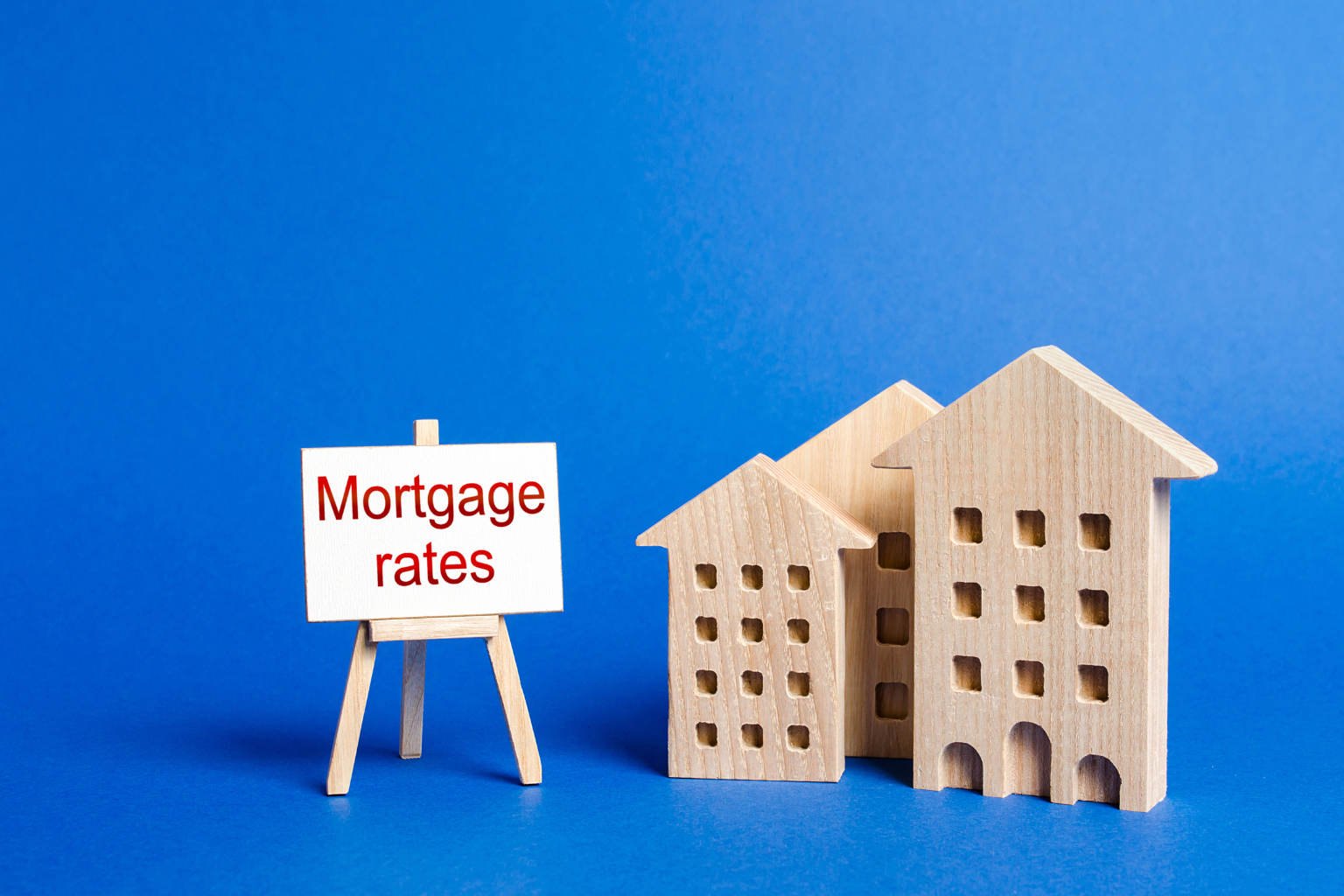
The real estate market in New Jersey is experiencing a noticeable shift in 2026 as rising interest rates continue to influence buying and selling trends. Homebuyers and investors alike are adjusting their strategies, balancing affordability, mortgage rates, and long-term value. This trend is affecting North, Central, and South Jersey differently, highlighting the need for buyers to carefully consider location and market conditions before making decisions.
Higher interest rates have slowed some aspects of the housing market, particularly in regions where home prices are already high. In North Jersey, buyers are becoming more selective, often prioritizing homes with modern upgrades and energy-efficient designs that reduce long-term expenses. Meanwhile, Central Jersey is seeing sustained interest from families seeking larger properties at competitive prices, as moderate suburban towns remain relatively affordable compared to urban centers. South Jersey is attracting buyers who value proximity to coastal areas while maintaining reasonable mortgage payments, reflecting a shift toward lifestyle-driven purchasing decisions.
Sellers are also adapting, often offering incentives or making home improvements to remain competitive. Open houses, virtual tours, and marketing campaigns emphasizing a home’s unique features have become essential tools for standing out in a more cautious market. Real estate professionals advise that properties priced accurately and presented effectively continue to attract serious buyers despite the rising cost of borrowing.
Investors are evaluating opportunities in rental markets as well. With interest rates impacting mortgage affordability, renting becomes a practical alternative for many residents, driving demand for high-quality rental properties in suburban neighborhoods. This trend is encouraging developers to focus on mixed-use communities and multi-family housing, especially in Central and South Jersey, where rental demand remains strong.
Experts emphasize that understanding local market nuances is key in 2026. Buyers and sellers should monitor mortgage trends, regional housing inventories, and demographic shifts to make informed decisions. While rising interest rates create challenges, they also open opportunities for those prepared to act strategically.
Ultimately, New Jersey’s real estate market continues to demonstrate resilience and adaptability. Whether buyers seek suburban comfort, waterfront living, or convenient access to urban hubs, understanding how interest rates influence pricing and demand is essential for navigating the market successfully.
Sources:
- New Jersey Department of Banking and Insurance
- Federal Reserve Economic Data (FRED)
- New Jersey Association of Realtors Market Reports