Historic Oscars Moment: Autumn Durald Arkapaw Becomes First Woman to Win Best Cinematography for “Sinners”
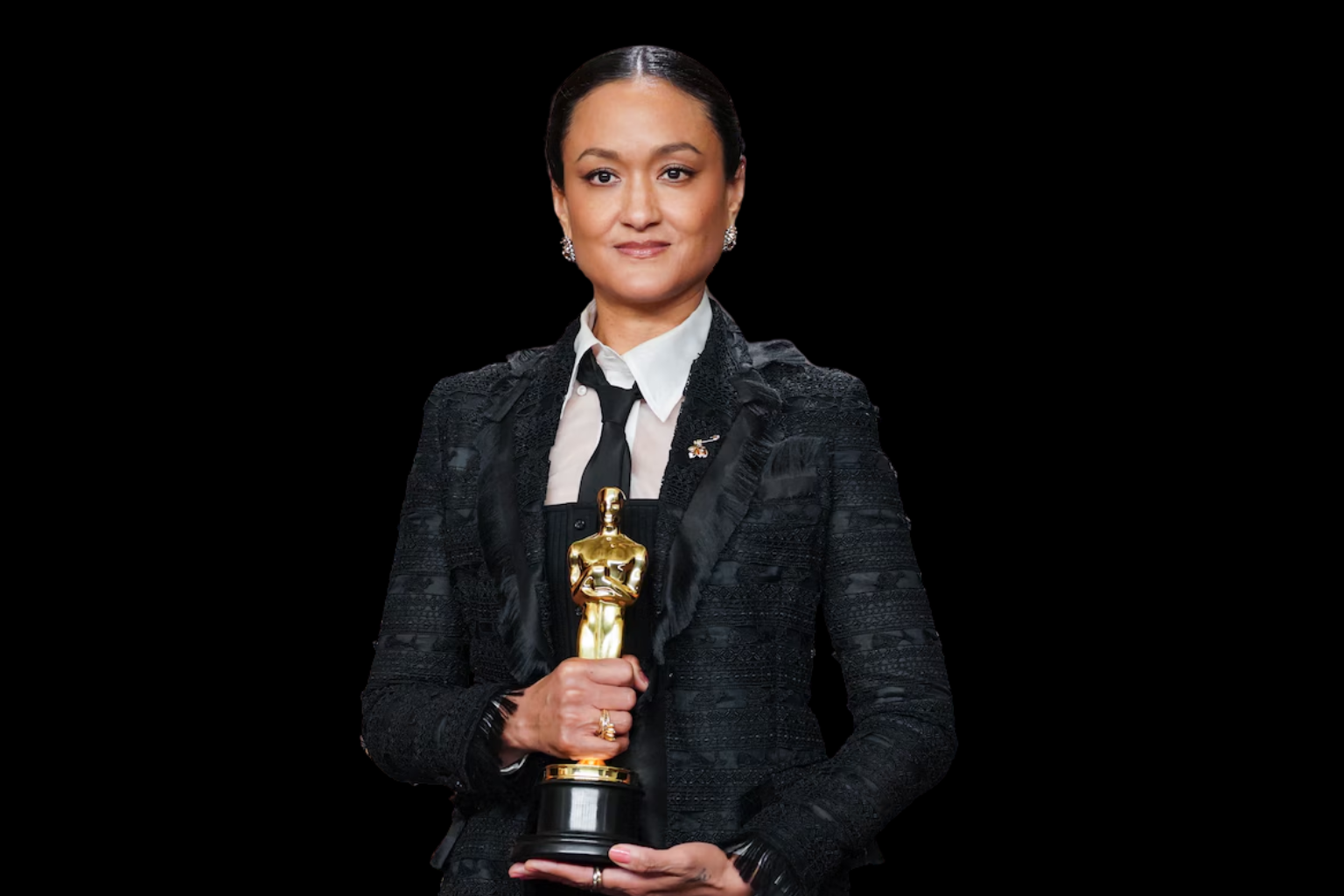
A historic moment unfolded at the 98th Academy Awards on Sunday night when Autumn Durald Arkapaw achieved a milestone that had never been reached before in the history of the Oscars. The cinematographer won the Academy Award for Best Cinematography for the film “Sinners,” becoming the first woman ever to receive this prestigious honor. Her victory also marked another important milestone, as she is the first person of color to win in this category.
The achievement is widely seen as a breakthrough moment in the film industry, where cinematography has traditionally been dominated by men. For decades, the category had seen very limited representation of women, making Durald Arkapaw’s victory a powerful moment of recognition for female filmmakers and artists working behind the camera.
Autumn Durald Arkapaw, who is of Filipino and African American Creole heritage, played a crucial role in shaping the visual storytelling of “Sinners.” The film stood out not only for its story and performances but also for its striking visual style. Her work on the project pushed technical boundaries and helped deliver a cinematic experience that impressed critics, audiences, and members of the Academy.
Her work on “Sinners” also broke new ground in terms of filmmaking technology. She became the first female cinematographer to shoot using both IMAX 65mm and Ultra Panavision formats for a major motion picture. These advanced formats are known for delivering extremely high image quality and immersive visuals, which made the film visually distinctive and contributed to its critical success.
“Sinners” had an extraordinary presence at the awards ceremony, receiving a record‑breaking 16 nominations across multiple categories. The film’s success did not stop with cinematography. It also earned Oscars for Best Original Screenplay, Best Original Score, and Best Actor, with Michael B. Jordan winning for his performance.
During her emotional acceptance speech, Durald Arkapaw acknowledged the women who helped pave the way for her career. She invited every woman in the audience to rise up, thanking them and stating that without their encouragement and support, she would not have made it this far. She also expressed her gratitude to Ryan Coogler, the film’s director, for having faith in her artistic vision and entrusting her with such a challenging assignment.
Speaking to reporters backstage following the ceremony, she considered the event’s wider significance. She revealed that many young girls may now think they may follow in her footsteps if they saw someone like her excel in the cinematography industry. Moments like this, she says, occur when women continue to stand by and support one another in fields where representation has been underrepresented.
Her win is even more remarkable considering the long history of the Academy Awards and the small number of women who had been recognized in the cinematography category before. Durald Arkapaw was actually just the fourth female nominee for the prize in history. The first was Rachel Morrison in the 2018 historical drama “Mudbound.” Ari Wegner for “The Power of the Dog” in 2021 and Mandy Walker for “Elvis” in 2022 followed that nomination.
Durald Arkapaw’s win is seen by many industry analysts as a watershed moment for cinematography and Hollywood in general. It draws attention to how different voices and talent are becoming more widely acknowledged in the film business. Her success also illustrates how filmmakers are adopting fresh viewpoints in narrative and aesthetics.
Additionally, Durald Arkapaw and filmmaker Ryan Coogler worked together for the second time on “Sinners.” They had previously collaborated on “Black Panther: Wakanda Forever.” Their professional partnership has now produced another award‑winning project, demonstrating the strength of their creative collaboration.
A new generation of filmmakers and cinematographers will probably be motivated by Durald Arkapaw’s historic Oscar victory as the film industry develops. For many aspiring artists, especially young women and people from underrepresented backgrounds, this moment signals that the path to recognition and success behind the camera is becoming more open than ever before.
In addition to being a personal triumph, her accomplishment will be recognized as a critical turning point in the lengthy process of increasing inclusion and representation in Hollywood.
Sources
Academy Awards (Oscars)
Variety
Deadline