GOP Lawmaker Backs Constitutional Change to Rein in Presidential Pardon Authority
Republican congressman joins Democratic effort to limit president’s pardon power, a rare move that attracted national attention. The measure shows growing bipartisan unease in Washington regarding executive clemency and Congress’ oversight.
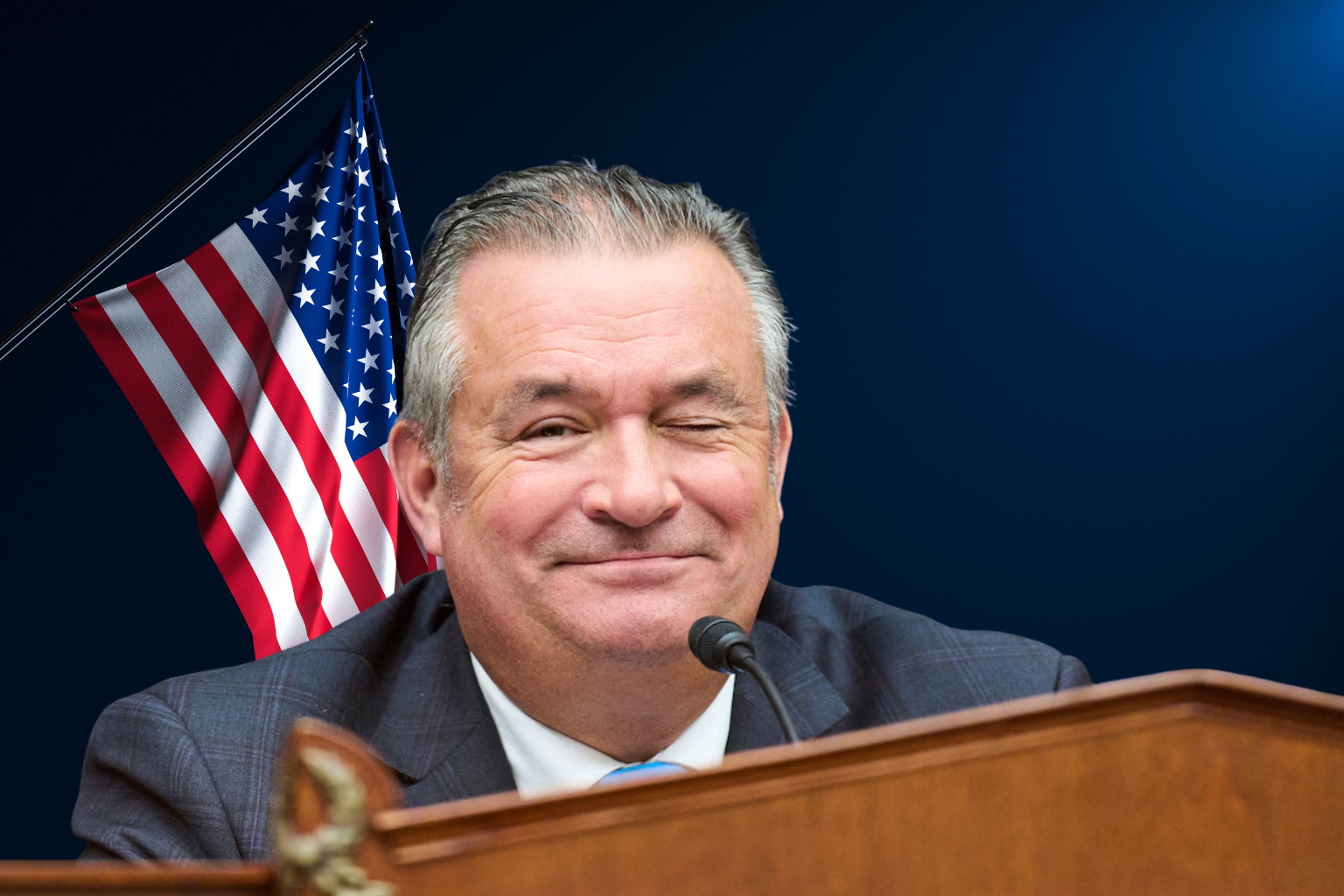
Nebraska Republican Don Bacon is Maryland Democrat Johnny Olszewski’s first GOP co-sponsor of his constitutional amendment Pardon Integrity Act. The plan would limit federal crime pardons and commutations by the president.
The president can grant reprieves and pardons under Article II, Section 2 of the Constitution, except for impeachment. This authority was frequently broad and unilateral. Recent presidential clemency cases have prompted concerns about additional protections.
Representative Bacon noted that multiple administrations have questioned pardon authority use. He observed that legislative supervision has weakened and the system is abused. He supports the amendment to provide a “commonsense guardrail” around the president’s clemency power.
The proposal would compel the president to notify Congress three days after pardoning or reprieving. It would also let 20 House members and five senators force a presidential pardon overturn vote. Pardons must be overturned by two-thirds of the House and Senate.
All presidents would be affected, but President Donald Trump’s second-term clemency is under examination. According to congressional reports, Trump has pardoned nearly 1,600 people in his first 13 months. Pardoned 144 in his first term. However, Joe Biden pardoned 80 in four years.
The January 6, 2021, blanket pardon of over 1,500 Capitol rioters by Trump has drawn criticism. That event delayed 2020 presidential election certification and resulted to hundreds of criminal prosecutions. Trump was attacked for pardoning former Honduran President Juan Orlando Hernández, who was sentenced to 45 years for large-scale drug trafficking.
Amendment advocates say clemency affects more than criminal sentence. Representative Olszewski estimated $1.3 billion in pardoned penalties and restitution. First, criminal victims and possibly U.S. taxpayers were owed these fines. Removing sanctions might have a big economic impact, he says.
Also condemned were President Biden’s mercy decisions. Biden issued nearly 4,000 commutations and pardons. Political controversy followed his December 2024 pardon of son Hunter Biden.
Presidents of both parties have used clemency differently. Joe Biden issued more clemency than any president since McKinley, per Pew Research Center. FDR and Wilson issued thousands of clemencies. Bush granted fewer than 80 mercy acts during his presidency.
The constitutional amendment faces considerable challenges despite bipartisan support. The House and Senate must agree by two-thirds to change the Constitution. After congressional approval, three-fourths of 38 states must confirm the amendment. Republican control of Congress will stall the measure, analysts say.
Still, Bacon’s backing has renewed executive-legislative authority argument. Legal scholars think the pardon power was broad to allow presidents to correct judicial errors or grant exceptional clemency. Critics think modern political dynamics may necessitate stricter oversight.
The presidential clemency argument has heated up due to high-profile pardons’ political and financial effects. The Pardon Integrity Act may pass or fail Congress, but presidential authority and constitutional limits will be discussed.
The main question for politicians is whether Congress should analyze presidential pardons more or leave the constitution alone. The outcome may affect how future presidents employ a key constitutional tool.